Tesla Teases Roadster with Rocket Thrusters
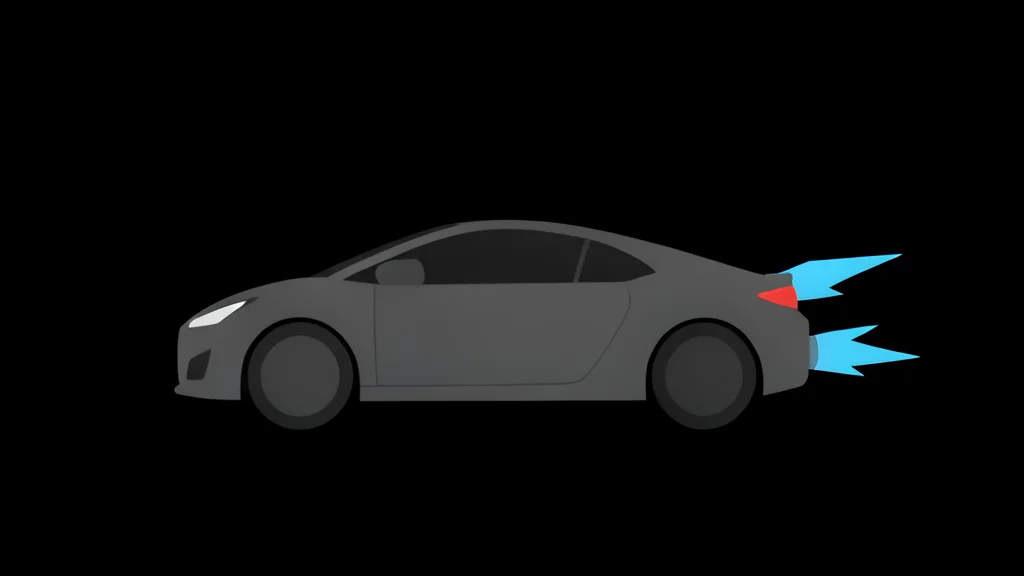
Tesla has released a cryptic teaser for its upcoming electric sports car, hiding a message that references a famous science fiction movie line. The image suggests the vehicle will feature rocket propulsion, marking a significant departure from traditional automotive design.
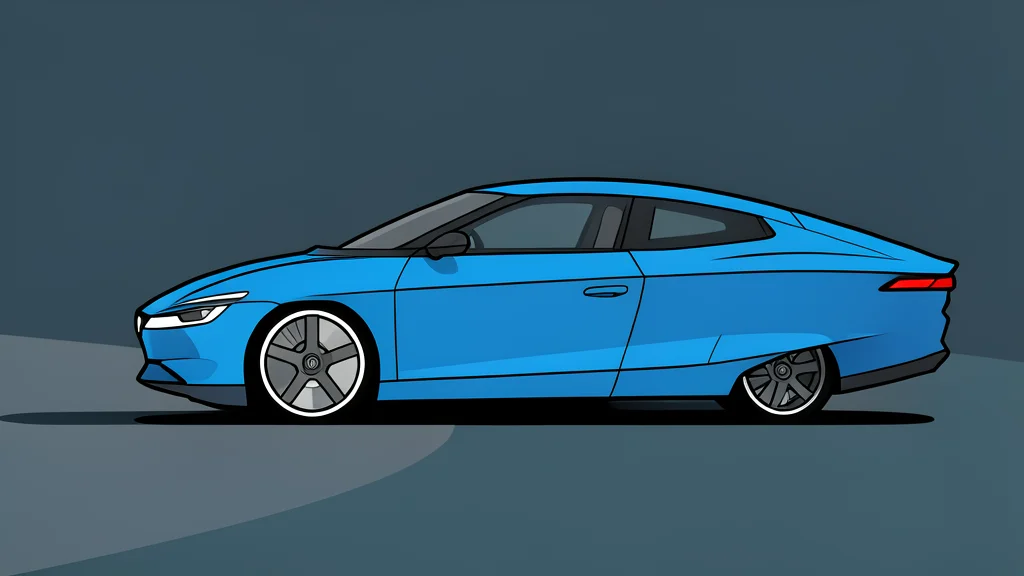
Tesla has unveiled a mysterious teaser image for its next-generation Roadster, revealing a design that incorporates rocket thrusters. The company stamped the image with the date 10.01, indicating a planned debut in early October. This visual hint aligns with long-standing rumors that the vehicle will use jet propulsion to achieve extreme performance metrics.
Beneath the sleek silhouette, a hidden phrase reads "WHERE WE'RE GOING…", a clear nod to the 1985 film Back to the Future. The full quote, "Roads? Where we're going, we don't need roads," implies that the car's propulsion system allows it to transcend conventional road constraints. According to reporting from GN auto tech/ev, this Easter egg serves as both a marketing stunt and a technical preview of the vehicle's capabilities.
Rocket Propulsion Changes Performance
The inclusion of rocket thrusters suggests the Roadster will rely on non-traditional methods for acceleration. While electric motors provide instant torque, adding rocket propulsion could theoretically eliminate the need for traditional drivetrain components. This approach aims to push the vehicle's speed and acceleration into previously uncharted territory for consumer cars.
However, this technology introduces significant trade-offs. Rocket propulsion requires high-pressure fuel systems and complex safety mechanisms that are not present in standard electric vehicles. The added weight of these systems may offset some of the performance gains, and the maintenance requirements will likely be far more demanding than those of a typical battery-electric car.
Market Context and Competition
This launch comes as Tesla regains ground in the U.S. electric vehicle market. Recent data indicates that while legacy automakers scale back their EV targets due to softening demand, Tesla continues to capture buyers with its software and pricing strategies. The Roadster is expected to serve as a halo product, reinforcing the brand's image as a technology leader rather than just a car manufacturer.
Critics argue that such extreme performance features have limited practical value for most consumers. The high cost and specialized nature of the rocket system mean the vehicle will likely be a niche product. Nevertheless, the move signals Tesla's intent to redefine the boundaries of what an electric vehicle can do, potentially influencing competitors to explore unconventional propulsion technologies.
Safety and Regulatory Challenges
Introducing rocket thrusters into a consumer vehicle raises substantial safety concerns. Regulatory bodies in various countries have strict standards for vehicle emissions and safety, which may not currently account for jet propulsion systems. Tesla will need to navigate a complex approval process to ensure the vehicle meets all legal requirements for road use.
Additionally, the reliability of such a system is uncertain. Unlike electric motors, which have few moving parts, rocket engines involve high-pressure combustion and mechanical complexity. If the system fails, the consequences could be severe, making rigorous testing and fail-safe mechanisms essential. This adds to the development timeline and cost, potentially delaying the vehicle's widespread availability.