Volkswagen's Mission Efficiency Sets New Aerodynamic Records
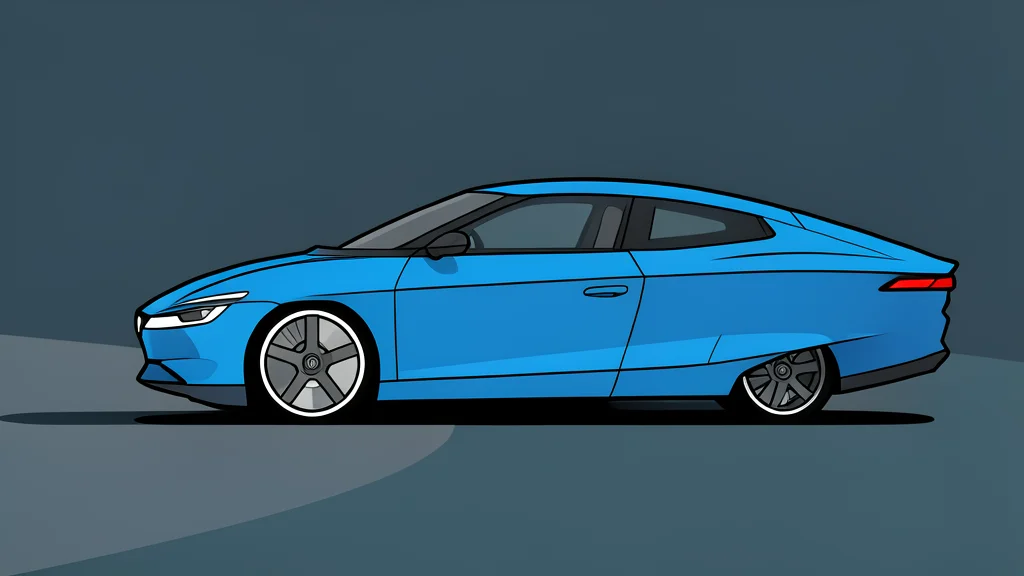
Volkswagen has unveiled a prototype that redefines energy efficiency for electric vehicles, achieving record-breaking aerodynamics while relying on standard production components.
Volkswagen has introduced the Mission Efficiency, a near-production electric vehicle that has secured three world records for energy consumption and aerodynamic performance. According to the manufacturer, the prototype achieves a drag coefficient of 0.158, a figure that previously seemed exclusive to highly specialized race cars. This low resistance allows the vehicle to travel significantly farther on a single charge compared to conventional models in its class.
The vehicle’s efficiency was validated during a documented test drive spanning over 1,278 kilometers from Wolfsburg to Vienna. During this journey, the car consumed an average of 6.89 kilowatt-hours per 100 kilometers, excluding charging losses. This performance demonstrates that substantial improvements in range are possible without requiring exotic or prohibitively expensive components, offering a realistic glimpse into future mass-market electric vehicle capabilities.
Production Technology Powers Record Performance
A key distinction of the Mission Efficiency is its reliance on the MEB+ platform, the same architecture used for the upcoming ID. Polo and ID. Cross. Instead of developing a bespoke powertrain, the engineering team utilized the standard 99 kW electric motor and high-voltage battery from these production models. This approach underscores Volkswagen’s strategy of integrating advanced efficiency features into affordable, large-scale vehicles rather than reserving such technology for niche, high-end prototypes.
The use of standard components highlights a significant trade-off in vehicle design. By sticking to proven production technology, Volkswagen ensures that the efficiency gains are replicable and economically viable for future models. However, this also means the vehicle does not push the absolute limits of power output, prioritizing energy conservation over top speed or acceleration. The result is a car that excels in economy but remains a dedicated efficiency showcase rather than a general-purpose high-performance vehicle.
Aerodynamics Drive Real World Range
The primary factor behind the vehicle’s record-breaking status is its streamlined bodywork, which minimizes air resistance at higher speeds. The design includes specific features such as patented rim deflectors that manage airflow around the wheels, reducing turbulence. These aerodynamic improvements are critical because drag is a major contributor to energy consumption in electric cars, particularly during highway driving where speeds are consistent.
In addition to the body shape, the prototype features a solar roof that supports the vehicle’s onboard electrical systems. While the solar panels do not provide the primary propulsion energy, they help offset the power needs of auxiliary systems like infotainment and climate control. This integration of renewable energy sources with standard mechanical efficiency illustrates a holistic approach to reducing the total energy footprint of the vehicle.
Implications For Future Electric Vehicles
The success of the Mission Efficiency suggests that significant efficiency gains are still available in the current generation of electric cars. By focusing on aerodynamics and optimizing existing drive systems, manufacturers can extend range without increasing battery size or cost. This is a crucial development for consumers who are concerned about charging infrastructure and the total cost of ownership.
However, the practical application of these findings depends on whether Volkswagen can maintain these efficiency levels in a standard production setting. Prototypes often benefit from specialized tuning and controlled test conditions that may not fully reflect the variability of daily driving. The company’s claim that this technology is ready for mass production remains to be seen in the final specifications of the ID. Polo and other MEB+ based models.