New System Targets EV Front Compartment Fires

A Singapore-based firm has introduced an automatic suppression device for the low-voltage components in electric vehicle front ends, aiming to prevent minor electrical faults from escalating into major vehicle fires.
SAFETYCAR, a Singapore-headquartered specialist in automotive fire suppression, has launched a new device specifically designed for electric vehicles. The system targets the front service compartment, where critical low-voltage electrical systems are housed. By focusing on this specific area, the company aims to stop small electrical fires before they can spread to more dangerous parts of the car.
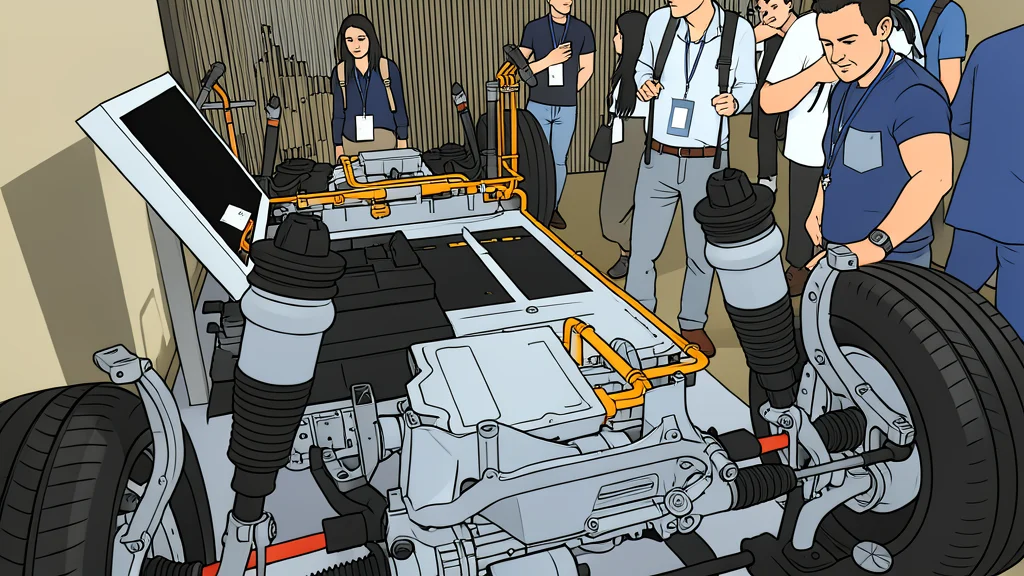
The launch coincides with the appointment of Tuff Clad Pte Ltd, part of the Tuffi Group, as the exclusive distributor for the product line in Singapore. This partnership combines SAFETYCAR’s suppression technology with Tuffi’s long-standing presence in the local automotive protection market. An industry session held in September allowed professionals to see the installation process and understand the mechanics of the new safety measure.
Targeting Front Compartment Electrical Faults
Most electric vehicles do not have a traditional engine bay, but their front sections, often called frunks, contain a dense network of low-voltage components. These include 12-volt auxiliary batteries, wiring harnesses, fuse boxes, and charging equipment. According to GN auto tech/ev, these confined spaces are prone to overheating, damaged wiring, or short circuits that can ignite a fire.
The new system is designed to suppress these specific types of fires locally. It works to prevent the fire from escalating and threatening the high-voltage traction battery located elsewhere in the vehicle. By containing the incident at the source, the technology offers an additional layer of protection for critical electronic modules without interfering with the main power system.
Heat-Activated Tube Requires No Power
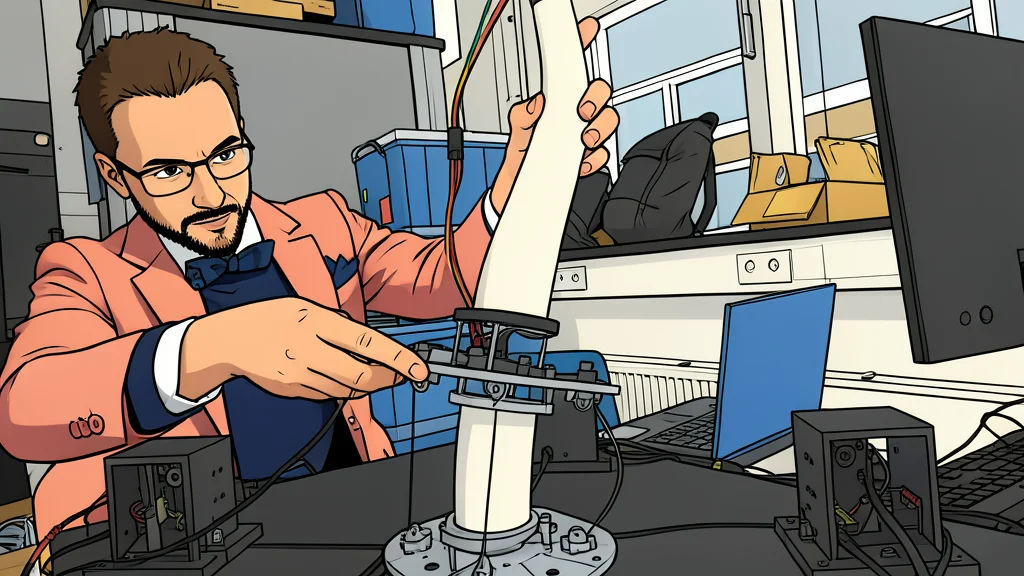
The core of the device is a 2.5-meter tube filled with a clean agent. This tube is routed around the electrical components it is meant to protect. It does not require electronic sensors, batteries, or a connection to the vehicle’s electrical grid. Instead, it relies on a simple thermal mechanism to trigger the response.
When the temperature reaches 120 degrees Celsius, the tube opens at the hottest point and releases the suppression agent. This agent extinguishes the fire without leaving behind powder, foam, or residue that could damage sensitive electronics. Because it operates independently, the system remains ready whether the car is driving, parked, or charging, with a rated service life of five years.
Distinct From Battery Thermal Runaway
It is crucial to understand the specific limitation of this technology. The system is not installed inside the sealed high-voltage traction battery. It is not designed to extinguish a thermal runaway event occurring within the battery cells themselves. Rather, it serves as a first line of defense for the surrounding low-voltage infrastructure.
This distinction matters for potential buyers and fleet managers. The device addresses a different fire vector than the battery itself. While it prevents low-voltage electrical fires from starting or spreading, it does not replace the need for robust battery management systems or other safety features designed to handle internal battery failures.