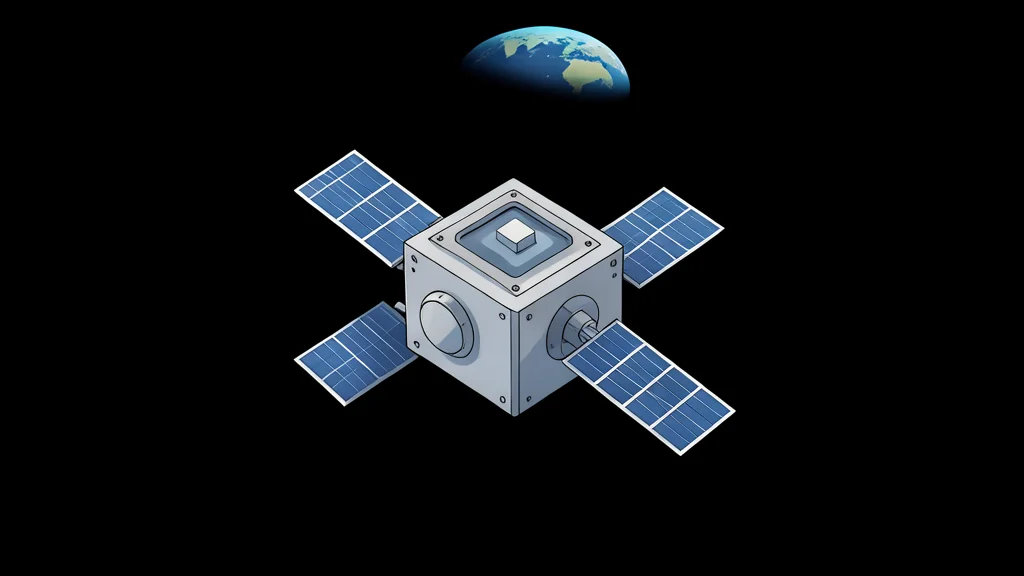
SpaceX Starship Aims to Launch 26 Satellites in September Test
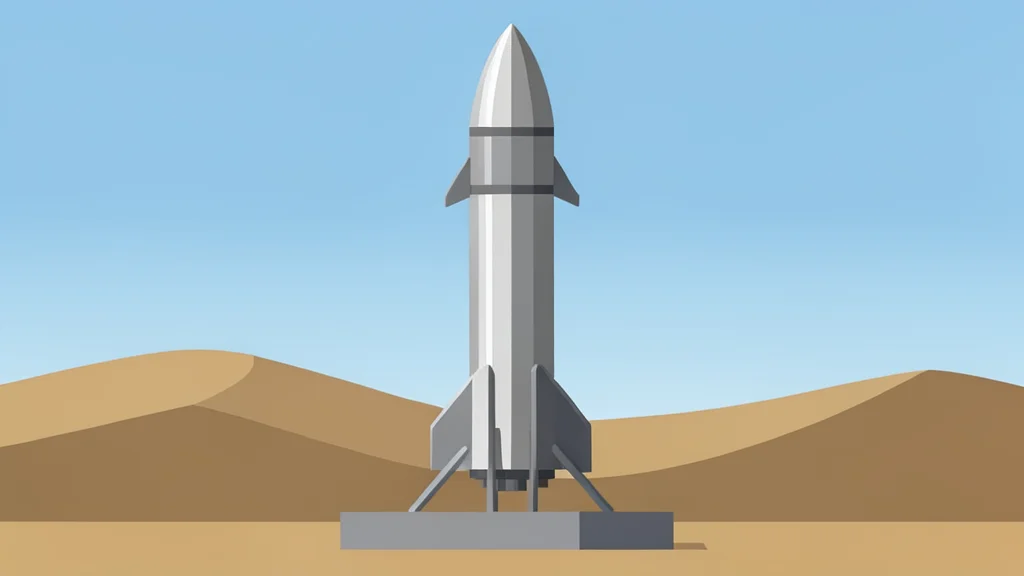
A scheduled September launch will test Starship’s ability to deploy commercial payloads, marking a key step toward reusable heavy-lift operations.
SpaceX is preparing to conduct a significant test of its Starship system, a massive rocket designed to become the backbone of future orbital operations. Scheduled for September 22, the mission from the company’s facility in Boca Chica, Texas, will carry a payload of 26 satellites. This is not merely a test flight; it is a practical demonstration intended to prove that the vehicle can successfully place commercial hardware into orbit, a capability that is currently essential for the broader space industry.
According to reporting by GN auto tech/space: space launch, this mission represents a crucial transition in the Starship program. While previous tests focused on the vehicle’s ability to fly and return to Earth, this flight adds the complexity of payload deployment. The goal is to show that Starship can handle the precise maneuvers required to release satellites safely, moving the system closer to its intended role as a reliable workhorse for both commercial and scientific missions.
Reusability drives cost reduction goals
The primary long-term benefit of Starship is its design for reusability. Unlike traditional rockets that are discarded after a single use, Starship is built so that both the booster and the upper stage can be recovered and reused. If SpaceX achieves this goal, the cost per kilogram to orbit could drop significantly. This reduction in cost would allow for more frequent launches, potentially making space access cheaper and more available for a wider range of customers.
However, achieving full reusability is a complex engineering challenge. The vehicle must withstand the extreme heat of reentry while maintaining structural integrity for future flights. This test will provide engineers with critical data on thermal protection systems and propulsion performance. The success of these tests will determine whether the company can scale up operations, or if further design changes are needed to ensure the vehicle can fly multiple times without major overhauls.
Technical hurdles remain for flight
Despite the ambitious schedule, the mission is subject to several variables that could cause delays. Weather conditions in the Texas desert can frequently ground launches, and strict safety requirements must be met before ignition. Additionally, the technical preparations for carrying satellites are more demanding than empty test flights. The vehicle must ensure that the payload is secured properly and that the release mechanism functions correctly in the vacuum of space.
It is important to note that a successful launch does not mean the development phase is over. Starship is still a work in progress, and each flight is part of a gradual learning curve. The data collected from this mission will inform future iterations of the vehicle. For now, the system remains a pilot project, and the path to a fully operational, reusable heavy-lift rocket requires consistent success in launching, orbiting, and returning components to Earth.
Satellite deployment adds operational complexity
Carrying 26 satellites introduces a new layer of complexity to the mission. The Starship upper stage must perform precise control maneuvers to position itself correctly before releasing the payload. This process tests the vehicle’s communication systems, control algorithms, and stage separation mechanisms. If the satellite deployment fails, it could compromise the entire test, making this a high-stakes moment for the program.
The inclusion of these satellites also serves as a proof of concept for future commercial launches. By demonstrating the ability to deploy multiple small satellites in a single flight, SpaceX is showing potential customers that Starship can handle diverse payload requirements. This capability is essential for the company’s vision of a busy, active spaceport where Starship launches regularly, supporting everything from communication networks to deep-space exploration missions.