Shell and FAW Test Immersion Cooling for Electric Trucks
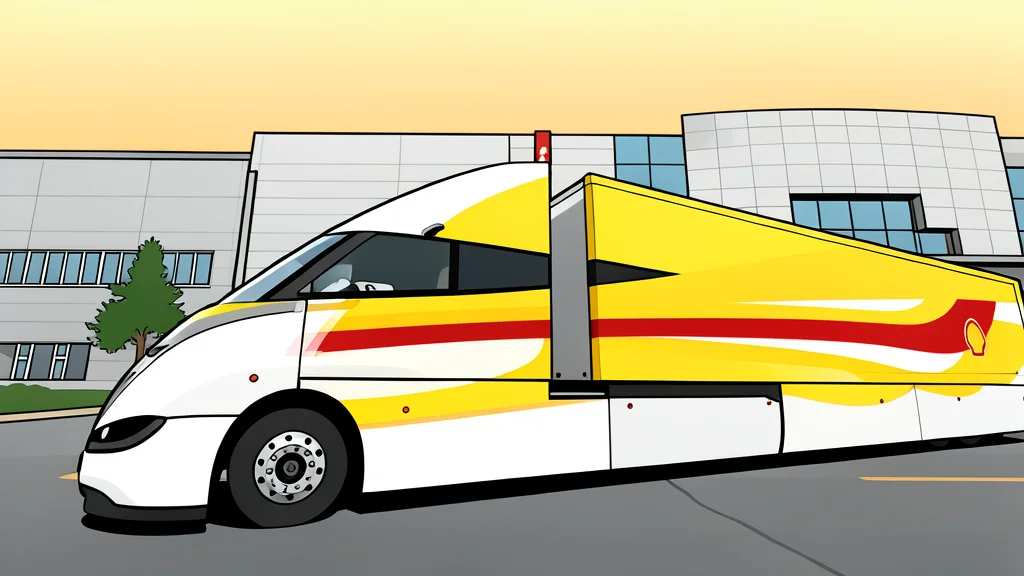
A new battery design for heavy electric trucks uses liquid immersion to manage heat, promising better performance and longer life, according to recent validation tests.
Chinese truck manufacturer FAW and Shell have completed initial validation tests for a new battery cooling system designed for heavy-duty electric vehicles. The technology, co-developed by FAW’s engineering team and Shell’s chemical division, surrounds battery cells in a special insulating fluid rather than using traditional air or liquid cooling methods. This approach aims to address the significant heat build-up that occurs during the high-power charging and discharging cycles typical of commercial trucking.
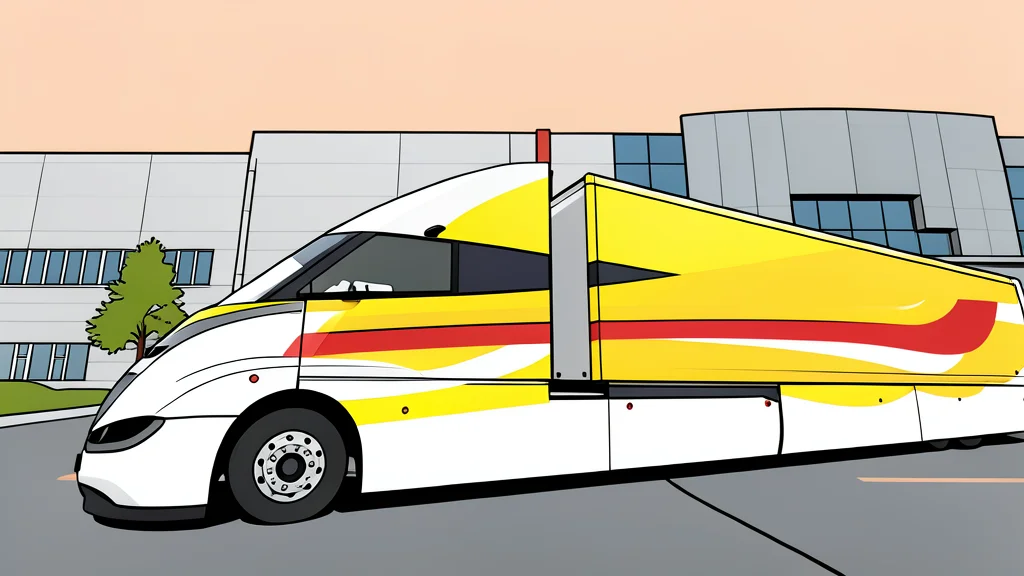
The system has been installed in the Starship Hybrid concept truck, where it underwent industry-standard testing for on-road certification. According to reports from GN auto tech/ev: electric vehicle, the setup successfully handled demanding operating conditions, including sustained high-power charging and rapid discharge. The partnership represents a significant step toward commercializing more durable and efficient powertrains for the logistics sector, where reliability is a critical factor for operators.
Liquid immersion improves heat management
Traditional battery cooling systems often struggle to keep up with the intense thermal demands of large commercial vehicles. By submerging the cells in an electrically insulating fluid, the new design allows for more direct and effective heat transfer. Wang Jianyu, President of FAW's Commercial Vehicle Development Institute, noted that this method combines FAW's vehicle engineering expertise with Shell's advanced cooling technology. The goal is to create a solution that can handle the evolving requirements for higher power output and faster charging without compromising battery safety.
The immersion cooling fluid acts as a buffer that maintains a more consistent temperature across the battery pack. This stability is crucial for preventing thermal runaway, a dangerous condition where batteries overheat and can catch fire. For truck operators, this translates to a safer vehicle that can maintain performance levels even under heavy load, reducing the risk of sudden power loss or damage due to overheating during long hauls.
Performance gains in hill climbing and range
Initial vehicle tests have yielded notable improvements in key performance metrics. Shell and FAW claim that the immersion-cooled batteries delivered a maximum increase of 98% in gradability, which measures the truck's ability to climb steep hills while carrying a full load. This is a critical metric for heavy freight, where power output directly impacts the range of loads a truck can handle efficiently. Additionally, the system showed a 0.8% improvement in overall energy efficiency, contributing to better range per charge.
Durability is another area where the new system shows promise. The companies report a potential for up to 32% longer battery life compared to conventional cooling setups. This extended lifespan could reduce the total cost of ownership for fleet operators, as battery replacement is one of the most expensive aspects of maintaining electric trucks. However, these figures are based on initial validation and may vary under real-world conditions, where factors like extreme weather and varying load profiles play a role.
Trade-offs and commercial readiness
While the performance gains are significant, the adoption of immersion cooling involves certain trade-offs. The fluid used must be carefully managed to ensure it remains electrically insulating and does not degrade over time. There are also considerations regarding the weight of the additional fluid and the complexity of the cooling system, which could impact maintenance requirements. Operators will need to weigh these factors against the benefits of improved range and durability.
The Starship Hybrid concept truck and its immersion-cooled battery sample are set to be showcased at the IAA Transportation 2026 event in Hannover, Germany. This public demonstration will provide further insights into the technology's readiness for commercial application. As the electric truck market grows, innovations like this are essential for addressing the range anxiety and durability concerns that have historically hindered the adoption of electric vehicles in heavy logistics.