Shell and FAW Test Immersion Cooling for Heavy Electric Trucks
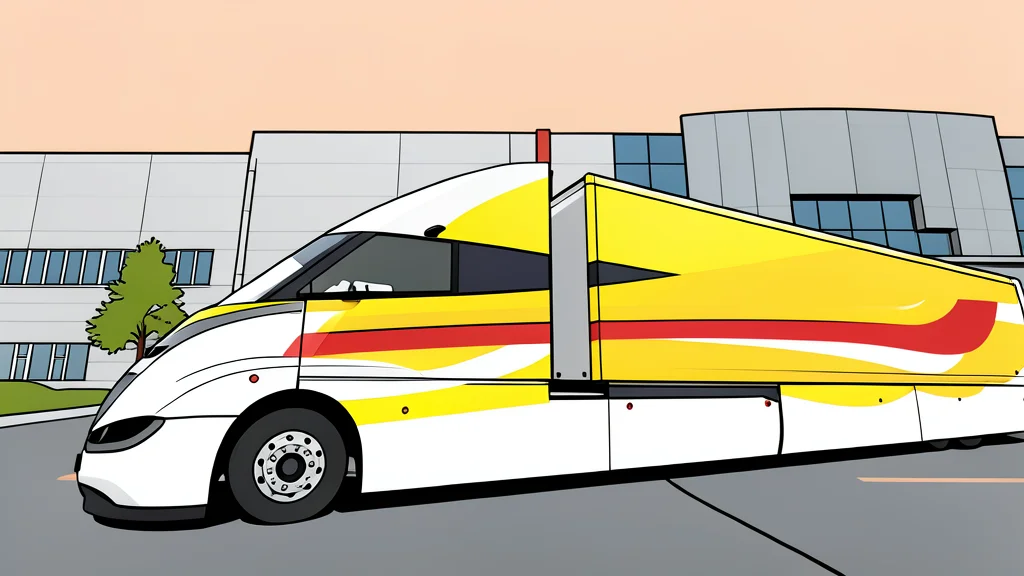
A new battery design dips cells in liquid to manage heat, promising longer life for heavy electric vehicles.
Chinese truck manufacturer FAW and Shell’s chemical division are testing a new approach to keeping heavy electric vehicles cool. Instead of using traditional air or liquid loops, their prototype battery pack submerges the cells in a clear, electrically insulating fluid. This immersion-cooling method aims to solve a major hurdle for electric semi-trucks: managing extreme heat generated during fast charging and heavy hauling.
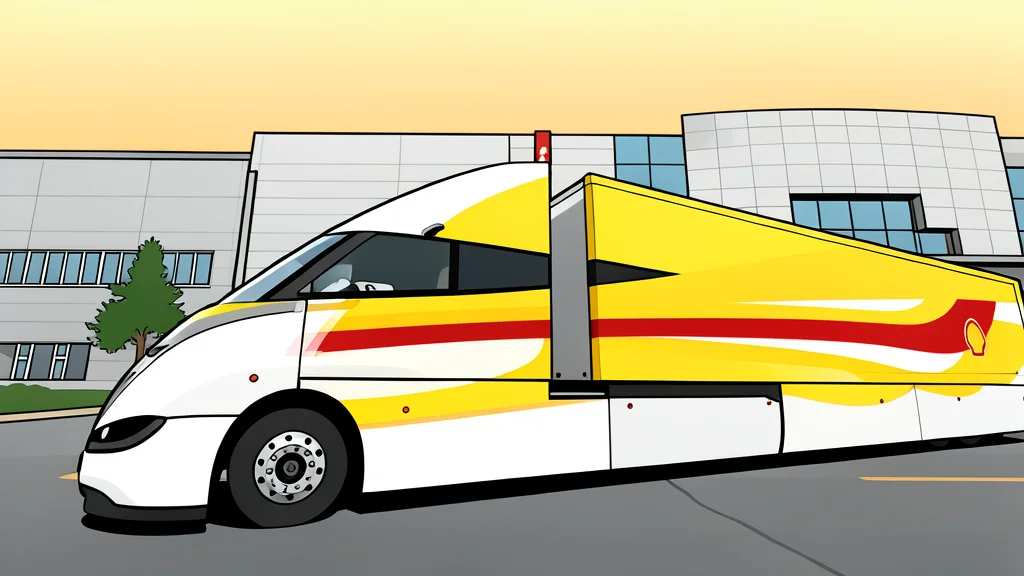
The technology is currently being validated on the Starship 3.0 concept truck. According to reports from Electrek, the setup has passed industry-standard safety tests and is now undergoing rigorous real-world trials. These tests simulate the demanding conditions commercial drivers face, including sustained high-power charging cycles and rapid energy discharge, to ensure the system can hold up in daily operations.
Heat management extends battery lifespan
Heat is the primary enemy of lithium-ion battery longevity. When cells overheat, they degrade faster, losing capacity and efficiency over time. By surrounding the cells in a conductive fluid, the new system removes heat more uniformly and effectively than conventional methods. FAW executives state that this direct contact allows for superior thermal regulation, which is critical as commercial trucks increasingly demand higher power outputs and faster recharge times.
The trade-off for this improved cooling is the complexity of the fluid system. While the fluid is electrically insulating, it requires specialized handling and containment to prevent leaks, which could add to maintenance costs. However, the companies argue that the benefits outweigh the risks. Initial data suggests the system could extend battery life by up to 32% compared to standard cooling setups, a significant gain for operators who rely on their vehicles for years of continuous service.
Performance gains in steep terrain
Beyond durability, the immersion system appears to boost immediate performance. Early vehicle tests indicate a nearly 98% increase in maximum gradability, which measures how well a truck can climb steep hills while carrying heavy loads. This is a critical metric for commercial logistics, where trucks must often navigate mountainous routes or heavy urban traffic without losing power. The system also shows a slight 0.8% improvement in overall energy efficiency, meaning the truck can do more work per unit of electricity.
Commercial rollout faces hurdles
Despite the promising numbers, this technology is not yet ready for mass production. The Starship 3.0 remains a concept vehicle, and the battery pack is still in the validation phase. FAW plans to showcase the prototype and a sample of the immersion batteries at the IAA Transportation trade show in Hannover, Germany. While the partnership combines FAW’s truck engineering with Shell’s chemical expertise, the path to commercial application is still ahead, requiring further proof of reliability and cost-effectiveness for widespread adoption.