Silent Electric Bikes Transform Wildlife Patrols in Kenya
Rangers in the Maasai Mara are swapping noisy petrol engines for silent electric motorcycles, aiming to protect wildlife while testing the limits of solar-powered mobility in remote Africa.
In the tall grass of Kenya’s Maasai Mara, a ranger named Joshua Kijape rides his motorcycle with an unusual advantage: silence. There is no engine rumble or exhaust fumes, allowing him to approach wildlife without disturbing them. This quiet capability is also a tactical tool, making it harder for poachers to hear him coming. For the past year, Kijape has used this electric bike to patrol one of Africa’s most critical ecosystems, marking a shift in how conservation teams operate in the field.
This change is part of a broader effort to integrate the energy transition into remote wildlife reserves. By replacing petrol-powered transport with vehicles charged by the sun, operators aim to reduce fuel costs and minimize noise pollution. The move coincides with the annual wildebeest migration, a period when the grasslands host massive numbers of animals and tourists. Jason Knauf of the Earthshot Prize noted that if clean technology can prove reliable in such a demanding environment, it strengthens the case for scaling it across other remote communities.
Engineering for Remote Conditions
The motorcycle is manufactured by ROAM, a Nairobi-based company that views the Maasai Mara as a rigorous engineering test. The challenge is to build an electric bike in Kenya that can handle rough tracks, long patrols, and isolated conditions. Filip Lovstrom, CEO of ROAM, explained that eliminating the noise associated with petrol bikes creates a serene environment beneficial to both animals and tourists. The economic argument is also central to the strategy. Instead of shipping expensive petrol from the port of Mombasa into the bush, operators can charge bikes using local solar power, which Lovstrom describes as a more sustainable and cost-effective model.
Charging Infrastructure Challenges
However, the technology has limits. ROAM’s e-bike can travel approximately 160 kilometers between charges, but longer patrols require access to charging stations. Because the bikes plug into standard 10-amp sockets, these stations can be built using relatively small solar and battery systems. Lovstrom compared this to the previous need for petrol access, noting that electricity is now becoming the essential resource for remote operations. This infrastructure requirement represents a significant trade-off, as it demands careful planning and investment in off-grid power solutions.
Expanding Beyond Conservation
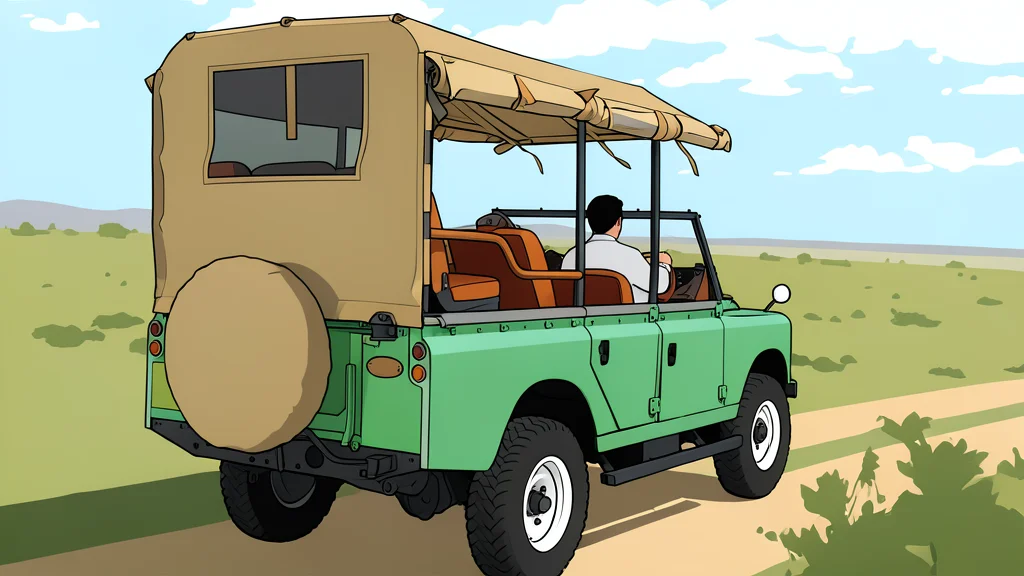
The use of electric vehicles in the Mara extends beyond wildlife protection. Emboo River Camp has used electric safari vehicles charged exclusively by solar power since 2019. Loic Amado, the camp’s co-founder, highlighted the economic benefits, stating that the vehicles are silent, sustainable, and economical. The technology is also expanding into local communities, where motorcycles are a primary mode of transport due to poor road conditions. What began as a conservation experiment is growing into a broader sustainability operation, suggesting that electric mobility could soon become a standard part of daily life in remote African regions.