Slate Auto Targets Late-Year Launch of Customizable Electric Trucks
The Warsaw facility is fully operational with over 400 robots, aiming to deliver a stripped-down vehicle by year's end.
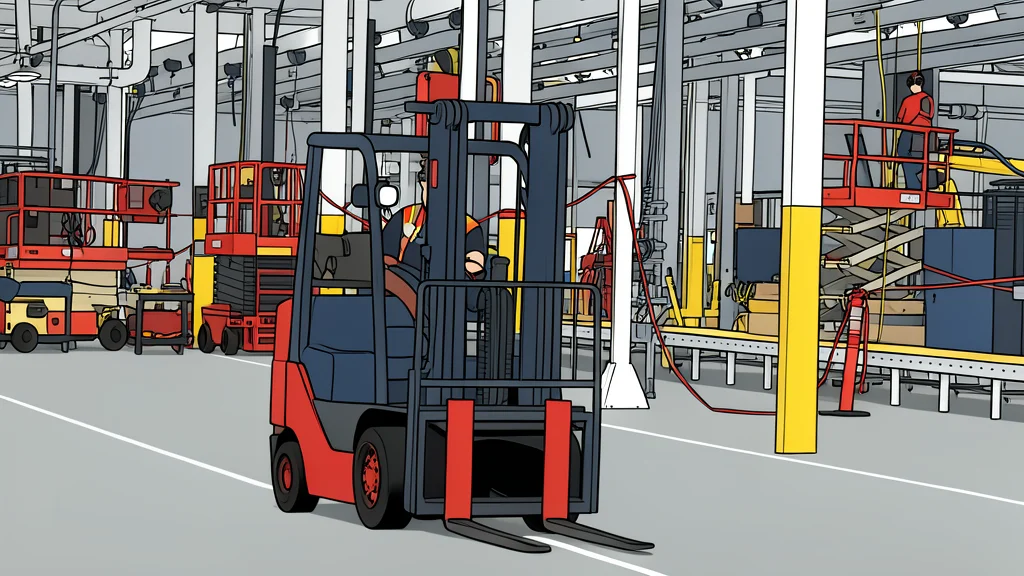
The Slate Auto factory in Warsaw, Indiana, is transitioning from a bare concrete shell to a fully active manufacturing site. Just one year after breaking ground, the 1.4-million-square-foot facility has installed more than 400 robotic arms and hired over 575 local workers. The company is preparing to begin deliveries of its electric pickup trucks by the end of this year, marking a significant shift in the regional automotive landscape.
According to GN auto tech/ev: electric vehicle, the core strategy behind the vehicle involves radical simplification. The truck, known internally as the "Blank Slate," is designed without standard interior features like radios or complex infotainment systems. This approach is intended to lower the base price and reduce manufacturing complexity, allowing the vehicle to be sold as a customizable platform rather than a finished product.
Parallel assembly reduces production time
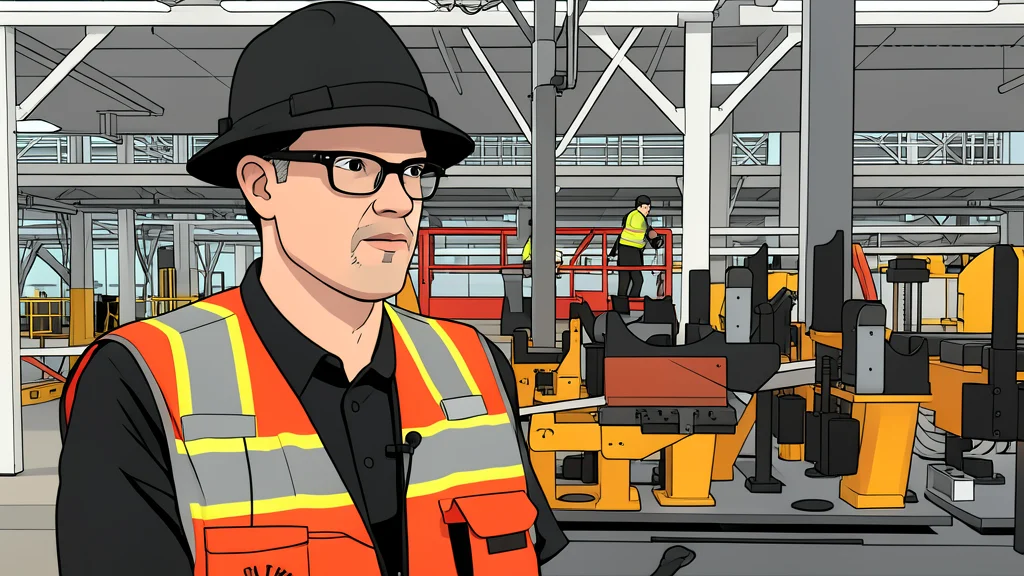
Manufacturing engineering head Dan Tasiemski explained that the factory does not wait for one stage of production to finish before starting the next. Instead, the body, coatings, bonding, and general assembly processes occur in parallel. This method allows multiple tasks to be executed simultaneously, which is a key factor in keeping the production cycle efficient and the final cost competitive.
The facility relies heavily on automation to handle the physical demands of building a truck. While humans oversee the process and perform specific tasks, the robots are designed to make the work safer and less physically taxing. This division of labor is central to Slate’s operational model, aiming to maximize output while maintaining a manageable workload for the local workforce.
Low price relies on buyer customization
The starting price for the vehicle is set at $24,950. However, this low entry point comes with a distinct trade-off. Because the truck lacks standard amenities, buyers are responsible for adding their own equipment and design elements. The company is accepting pre-orders, with over 180,000 reservations recorded in the first year, indicating strong interest in this DIY approach to vehicle ownership.
Slate’s communications team notes that customers are already planning various uses for the platform, ranging from commercial fleet needs to personal hobby projects. Some buyers intend to convert the chassis into an SUV to transport family members. This flexibility is the primary selling point, though it requires the owner to invest additional time and money to complete the vehicle to their liking.
Local hiring continues to expand
Despite the high level of robotics on the floor, Slate is actively seeking more local employees to join the team. The company aims to grow its workforce as it ramps up production. The combination of automated assembly and human oversight is designed to create a sustainable manufacturing environment that supports the local economy while meeting the growing demand for the electric truck.