Toyota's Multi-Path Electric Strategy Proves Practical

Toyota's refusal to abandon internal combustion engines is now seen as a strategic advantage rather than a delay in electrification.
Toyota has long faced criticism for refusing to set a deadline for phasing out internal combustion engines. Instead of betting everything on battery-electric vehicles, the automaker has continued to develop full hybrids, plug-in hybrids, hydrogen fuel cells, and pure electric cars in parallel. What initially looked like a lack of conviction in the electric transition is increasingly viewed as a pragmatic response to a market that is evolving slower and more unevenly than predicted. By maintaining multiple powertrain options, Toyota is positioned to adapt to regional differences in charging infrastructure, electricity costs, and consumer habits without forcing a single technology on a diverse global market.
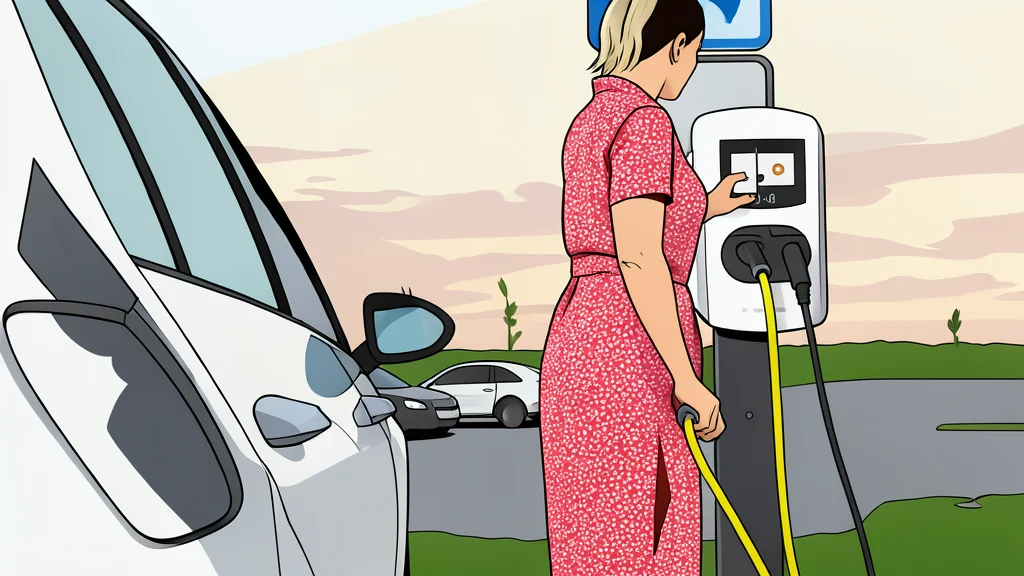
The recent launch of the C-HR+ electric SUV, which offers a range of over 600 kilometers, exemplifies this broad approach. The model expands Toyota’s electric lineup in a segment that is highly relevant to markets like Switzerland. This strategy allows the company to offer mature, high-volume technologies to customers who may not yet have reliable access to home charging. As other manufacturers scramble to adjust their platforms and production lines in response to slower-than-expected electric adoption, Toyota’s diversified portfolio provides a buffer against these shifts, reducing the pressure to make costly, last-minute changes to its manufacturing and supply chains.
Market Reality Drives Technical Choices
The pace of electric vehicle adoption varies significantly by region, making a one-size-fits-all strategy impractical. In the United States, Toyota’s largest market, all-electric cars accounted for only about 10 percent of new sales in 2025, a figure far lower than in Switzerland. In contrast, hybrid vehicles hold roughly twice the market share seen in European markets and have grown three times faster than their electric counterparts. This divergence is driven by factors such as driving distances, income levels, and the availability of charging infrastructure. Toyota’s decision to keep refining hybrid technology, particularly through models like the Prius, aligns with these local realities, ensuring that the brand remains competitive in markets where pure electric vehicles have not yet become the dominant choice.
For consumers who do not have access to home charging, full hybrids offer a practical alternative that does not require plugging in. These vehicles use a small battery to store energy from braking and assist the gasoline engine during acceleration, providing electric-only driving for short distances. This technology, which Toyota has refined over decades, addresses a specific pain point for drivers who cannot rely on public charging networks. By offering this option alongside pure electric models, Toyota provides a tangible benefit to a wider range of customers, including those in urban areas without dedicated parking spaces or rural areas with limited charging infrastructure.
Competitive Advantage Through Diversified R&D
Toyota’s long-term investment in multiple powertrain technologies has resulted in a significant competitive advantage. According to market data, roughly half of all new hybrid vehicles sold in the United States bear the Toyota logo, a testament to the brand’s deep expertise in this area. Many competitors are only now beginning to reintegrate hybrid powertrains into their lineups after initially focusing exclusively on electric vehicles. These adjustments are costly and time-consuming, requiring the redesign of platforms and the reallocation of investments. Toyota, having never relied on a single technology, faces less pressure to make such drastic changes, allowing it to maintain stable production and supply chains while competitors navigate their strategic pivots.
Trade-Offs of a Broad Portfolio
However, this strategy is not without its drawbacks. The parallel development of various powertrains requires substantial resources and can lead to a more complex product lineup that may confuse some consumers. Critics argue that splitting focus across multiple technologies could dilute the brand’s commitment to decarbonization and slow down the specific innovations needed for the next generation of electric vehicles. Furthermore, the need to maintain separate supply chains and manufacturing processes for different powertrain types can increase operational costs and logistical complexity. Despite these challenges, Toyota’s approach has proven resilient in a market where the timing of the electric transition remains uncertain, offering customers a wider range of choices while the industry as a whole adjusts to the changing realities of sustainable mobility.