Toyota Targets 400,000 Range-Extender Cars in China by 2028
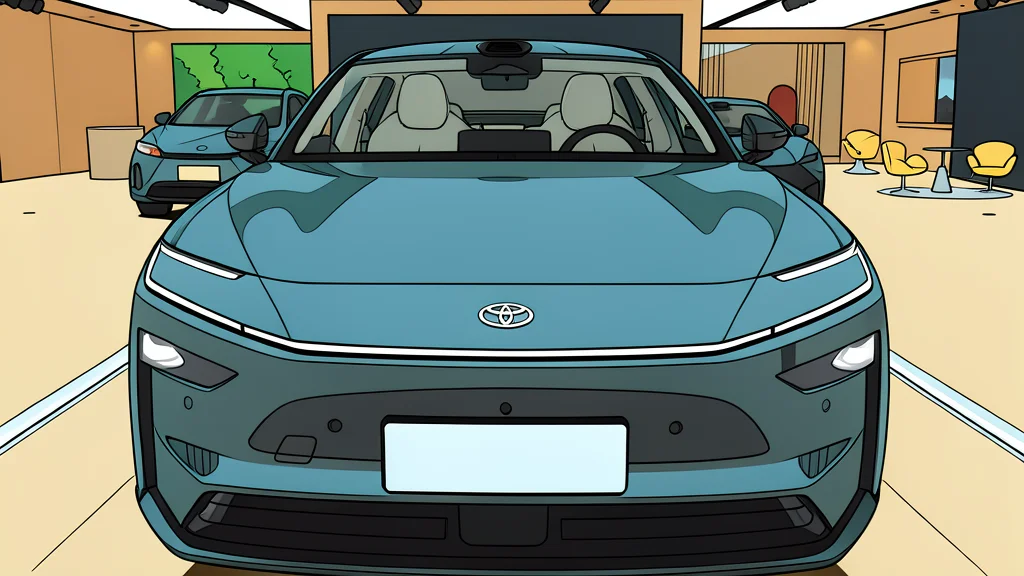
Toyota plans to launch range-extending vehicles in China by 2027, aiming to capture demand in areas with limited charging infrastructure.
Key points
- Toyota plans to produce range-extender vehicles in China starting April 2027, targeting 200,000 units annually by year-end.
- The strategy aims to capture demand in areas with limited charging infrastructure, following competitors like Li Auto and Volkswagen.
- Production is expected to reach 400,000 units by 2028, marking Toyota's first entry into this specific hybrid segment.
Toyota is preparing to enter the range-extender electric vehicle market in China, according to reports from Nikkei Asia. This move marks a significant shift for the Japanese automaker, which has previously relied almost exclusively on battery-electric models in its global lineup. By adopting this hybrid approach, Toyota aims to address specific consumer concerns regarding driving range and charging availability in the world's largest EV market.
As reported by electrive.com, these vehicles will not use their combustion engines to drive the wheels directly. Instead, a small gasoline or diesel engine acts as a generator, charging the battery pack while the electric motors handle propulsion. This setup allows drivers to travel longer distances without frequent stops for charging, a feature that remains highly valued in regions where public charging infrastructure is less dense than in major metropolitan areas.
Strategic shift toward hybrid technology
The decision to introduce range-extender models follows the success of competitors like Li Auto, which has built a strong brand identity around this technology. Other manufacturers, including Volkswagen and Xiaomi, have also launched similar vehicles in China, recognizing that many drivers still prefer the flexibility of a fuel backup over a pure electric setup. Toyota’s entry into this segment signals a pragmatic response to market trends, prioritizing consumer practicality over strict ideological adherence to pure battery-electric vehicles.
Chinese authorities have recently tightened technical standards and testing procedures for these hybrid systems, indicating a growing regulatory framework for the category. This regulatory clarity likely provides the stability Toyota needs to commit resources to local production. By aligning with local consumer preferences and government standards, the company positions itself to compete more effectively against domestic rivals who have already established a foothold in the range-extender niche.
Production targets and timeline
Toyota plans to begin manufacturing these vehicles in China as early as April 2027. The initial production run is expected to be modest, with several hundred units produced per month. However, the company aims to scale up rapidly, targeting an annual output of approximately 200,000 units by the end of 2027. By 2028, production is expected to double to around 400,000 units, reflecting a confident bet on sustained demand for this type of vehicle.
This expansion comes after Toyota introduced its battery-electric bZ series, including the bZ4X and bZ3, in recent years. While these pure electric models have been well-received, the addition of range-extender models broadens the company’s appeal. The trade-off is a more complex supply chain and product portfolio, but for Toyota, the benefit is access to a larger segment of customers who are hesitant to commit to fully electric vehicles due to range anxiety or infrastructure gaps.
Implications for the global market
While this strategy is currently focused on China, it may have broader implications for Toyota’s global product development. The success of range-extender models in China could influence future offerings in other markets where charging infrastructure is still developing. For consumers, this means more options and potentially lower barriers to entry for electric driving, as range-extender vehicles often offer better fuel efficiency than traditional hybrids while providing the convenience of a fuel backup.
The move also highlights the evolving nature of the electric vehicle transition. It is not a simple leap from combustion engines to pure batteries, but a gradual adoption of various technologies that suit different driving needs and regional conditions. Toyota’s strategy reflects a pragmatic approach to market leadership, prioritizing customer acceptance and practical utility over technological purity. This could set a precedent for other global automakers looking to expand their presence in emerging electric vehicle markets.