UK Study Links Predictable Last-Mile Routes to Electric Van Viability
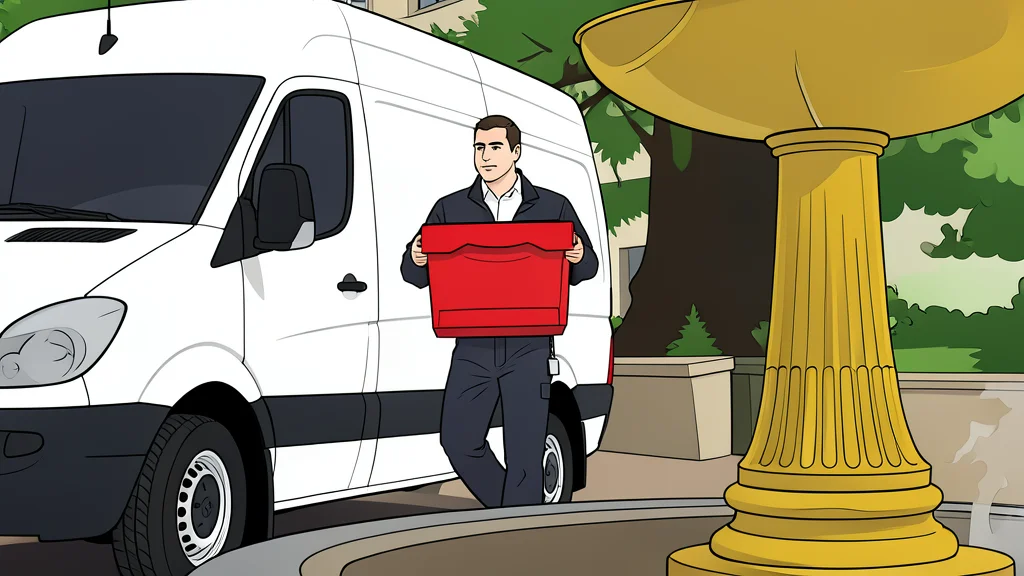
New data suggests that the repetitive nature of urban delivery routes makes electric vans a commercially stronger choice for UK fleets.
Key points
- 84% of UK and European e-commerce businesses reported rising last-mile delivery costs in 2024.
- Predictable urban routes allow fleet managers to accurately calculate required electric van range.
- Regenerative braking in stop-start city traffic recovers energy, improving efficiency over diesel.
The final leg of the delivery chain is often the most expensive part of the supply chain, yet it may also be the best fit for electric vehicles. A recent survey indicates that while costs for last-mile deliveries are rising sharply, the specific conditions of urban routing solve several key drawbacks associated with battery-electric vans.
According to a study of 550 decision-makers across the UK and Europe, 84% of e-commerce businesses reported rising delivery costs in 2024. For fleet operators trying to balance these financial pressures with net-zero commitments, the predictable nature of local delivery routes is emerging as a critical advantage for adopting electric technology.
Predictable routes reduce range uncertainty
Unlike long-haul driving, last-mile delivery involves repeated, familiar routes with consistent daily mileage. This predictability allows fleet managers to calculate the exact range required for a vehicle, rather than guessing based on worst-case scenarios. As noted by industry experts, having a van return to the same depot every night eliminates the logistical headaches of planning charging stops for long-distance work.
This precision helps match the vehicle’s specification to the actual duty cycle. Since electric van range varies based on payload, weather, and driving conditions, knowing the exact route demands allows operators to select a vehicle that comfortably covers the distance with a safety margin, removing much of the anxiety around range limits.
City driving benefits battery regeneration
Urban delivery involves frequent stopping at junctions and for drop-offs, a pattern that is inefficient for diesel engines but beneficial for electric ones. Every time an electric van slows down, regenerative braking recovers energy and feeds it back into the battery. This process turns the stop-start nature of city traffic into a feature rather than a fuel-economy penalty.
Compliance costs favor zero-emission vehicles
Avoiding urban access charges is another significant financial driver. Cities like London operate strict emission zones that charge non-compliant vehicles around the clock. For fleets that regularly enter city centers, these charges add up quickly. An electric van bypasses these fees entirely, which can significantly lower the total cost of ownership and provide certainty as urban emissions policies become stricter.