Vietnam's VinFast Ships 5,000 EVs to Europe and Asia

VinFast has dispatched its first major shipment to Europe, signaling a new phase in the global electric vehicle market despite significant quality concerns.
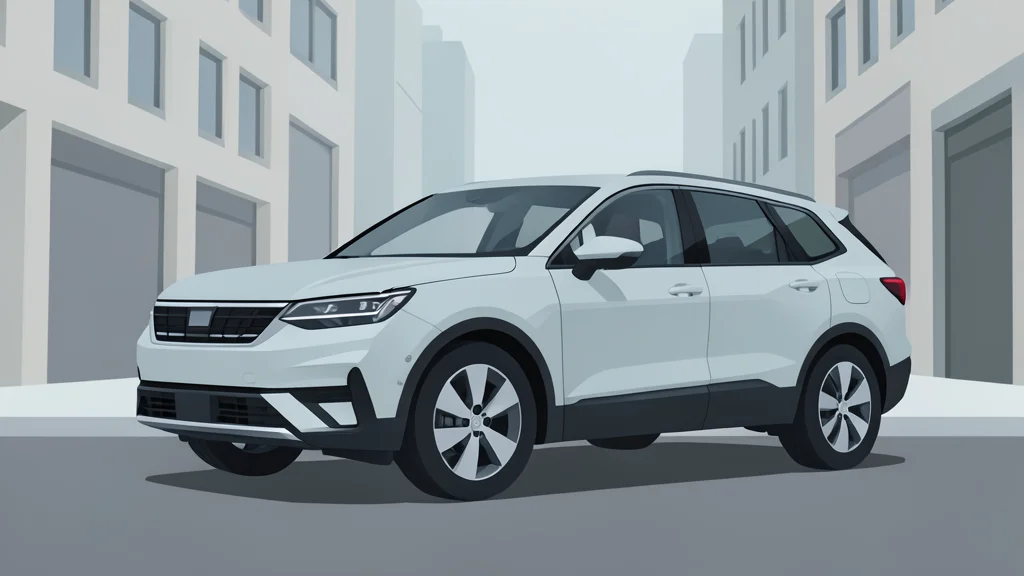
Two dedicated cargo vessels recently left Hai Phong Port in Vietnam, carrying more than 5,000 electric vehicles destined for Europe and Southeast Asia. This shipment marks a significant milestone for VinFast, the country's flagship automaker, as it expands its international footprint. One ship carried 1,500 VF6 models to European markets, while the other transported over 3,500 units to the Philippines and Indonesia.
According to reports from GN auto tech/ev, this is the 37th and 38th export batch for the company in less than four years. VinFast has entered over ten markets globally, including the United States, Canada, and the Middle East. Domestically, the brand has maintained the top sales position in Vietnam for 24 consecutive months, delivering over 20,000 units in August alone.
Chinese Supply Chains Power Vietnamese Assembly
Despite claims of high localization, VinFast relies heavily on Chinese components and technology. Approximately 70% of its parts are sourced from China, including batteries from CATL and Gotion High-Tech. The drive motor production lines were built by Dalian Harson, a supplier also used by Chinese and Swedish automakers. This dependency means that much of the value in Vietnamese EVs is actually derived from the Chinese supply chain.
Vietnam cites a 60% localization rate, which is expected to rise to 80% with new battery plants. However, this metric measures the number of processes performed within Vietnamese borders, not the ownership of core technologies. By comparison, traditional fuel vehicle manufacturers with decades of presence in Vietnam often have localization rates of only 10% to 15%. The distinction is crucial: assembly is not the same as independent innovation.
Quality Concerns Persist Despite Market Access
VinFast has faced criticism for its product quality. US automotive reviewers have described early models as semi-finished products, citing reliability issues. Despite this, the brand has successfully entered the US and European markets, benefiting from preferential trade policies. These policies have opened doors for Vietnamese EVs, allowing them to compete in regions where Chinese automakers face higher tariffs or stricter scrutiny.
The market capitalization of VinFast has dropped significantly since its 2023 IPO, falling from over $100 billion to $7.5 billion. This decline reflects investor skepticism about its long-term competitiveness and technological independence. However, the successful export of thousands of units suggests that the brand is finding a niche, particularly in Southeast Asia, where it can leverage lower costs and strategic partnerships.
A New Competitor in Global Markets
Chinese automakers have traditionally viewed Tesla as their primary overseas rival. The rapid expansion of VinFast into Europe and Southeast Asia challenges this assumption. While VinFast may not match the technological sophistication of Chinese or American leaders, its ability to ship large volumes of vehicles indicates a growing capacity to compete on price and availability. This shift requires a reassessment of the competitive landscape in the global EV market.
The trade-off for VinFast is clear: it gains market access and sales volume but lacks the deep technological moat that defines industry leaders. For consumers, this means more options, but potentially at the cost of long-term reliability and innovation. As VinFast continues to expand, the interplay between Vietnamese assembly and Chinese technology will shape the future of electric mobility in Asia and Europe.