Volvo Doubles Electric Range for XC60 and XC90 Plug-In Hybrids
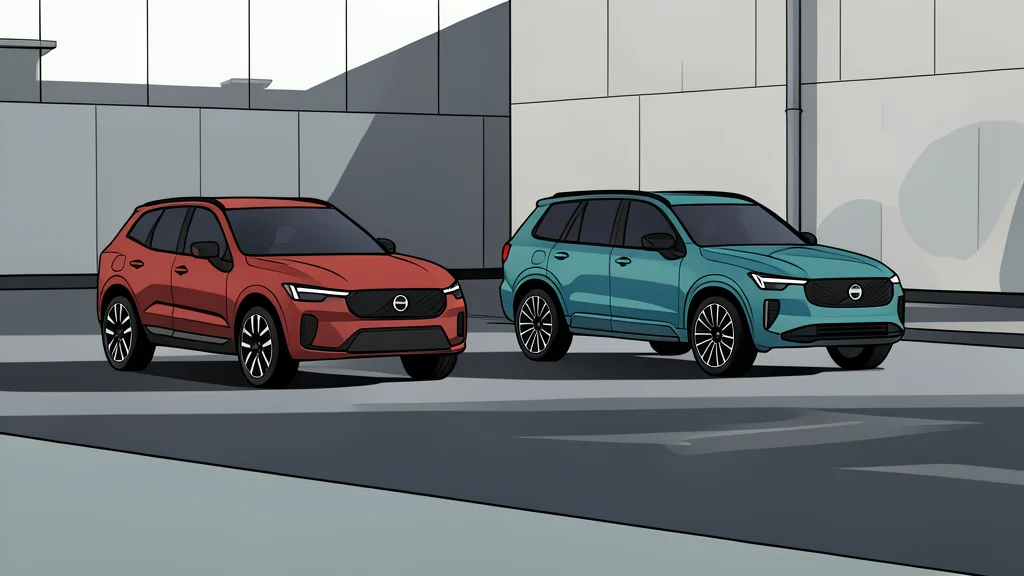
Volvo is significantly expanding the electric-only capability of its plug-in hybrid SUVs. The updated XC60 and XC90 now offer over 70 miles of range, effectively doubling their previous capabilities and reshaping the utility of the plug-in hybrid category.
For most drivers, the plug-in hybrid has served as a compromise rather than a solution. The typical electric range of 20 to 40 miles often forced owners to rely on the combustion engine for anything beyond short local trips. Volvo aims to eliminate that friction with its latest updates to the XC60 and XC90. By nearly doubling the battery capacity and boosting the electric motor power, the company is turning these vehicles into practical all-electric machines for daily use. As reported by GN auto tech/ev: electric vehicle, this shift addresses the core complaint of PHEV owners: the engine kicks in too soon.
The XC60 now delivers up to 78 miles of electric-only driving, up from 35 miles in previous models. The larger XC90 offers 73 miles, a significant jump from its prior 32-mile limit. Volvo positions this range as sufficient for multiple days of daily commuting without touching the gasoline tank. While this is a substantial improvement, it does not entirely remove the need for fuel. Owners must still plan for longer trips or periods without access to charging, maintaining the hybrid nature of the vehicle.
Hardware upgrades drive the range increase
The extended range is not merely a software tweak; it relies on physical changes to the powertrain. Both models feature a larger-capacity battery and a more powerful electric motor. This hardware upgrade is the primary driver of the new capability. However, the trade-off is that these vehicles remain dependent on gasoline for high-speed highway driving or long-distance travel beyond the 70-mile threshold. They are no longer just stop-gap electrification, but they are not fully independent of fossil fuels either.
Volvo is offering these updated models alongside mild hybrids and its all-electric EX60. This creates a tiered approach to electrification, allowing buyers to choose based on their specific driving patterns and access to charging infrastructure. The plug-in hybrid option now sits further away from the pure combustion engine, offering a more meaningful reduction in fuel consumption for those who cannot yet make the full jump to electric.
XC60 receives design and safety refresh
Beyond the battery, the XC60 undergoes a visible cosmetic and functional update. The front and rear fascias are redesigned, and the interior features a new dashboard and door panel architecture. The infotainment system is updated to run Volvo Cars UX, paired with Google Gemini for route planning and communication management. The XC90 receives similar software updates and the option for premium audio systems, ensuring both models stay current with modern connectivity expectations.
Safety technology is also a focal point of the refresh. Updated radar and camera systems enable new active safety features, including automatic emergency steering and enhanced braking. These systems are designed to intervene more proactively in potential collision scenarios. While these features add value, they rely heavily on sensor data and may have limitations in adverse weather conditions, a common trade-off in advanced driver-assistance systems.
Availability and pricing remain pending
Production for the new XC60 and XC90 plug-in hybrids is scheduled to begin this fall. Customer deliveries are expected to start in early 2027. At this stage, Volvo has not announced pricing for the updated models. This delay means that potential buyers must wait to determine if the cost of the larger battery and updated hardware justifies the extended electric range. The lack of immediate pricing clarity is a notable gap in the current release cycle.
The vehicle will also support over-the-air updates, allowing for continued improvements in software and connectivity after purchase. This long-term support strategy is becoming standard in the industry but adds a layer of complexity for buyers who may prefer simpler, static hardware. Ultimately, these models represent a significant step in making plug-in hybrids a viable primary vehicle for many drivers, provided the price point aligns with consumer expectations.