VW ID. Buzz Completes 62,000-Mile Trip Across 92 Countries
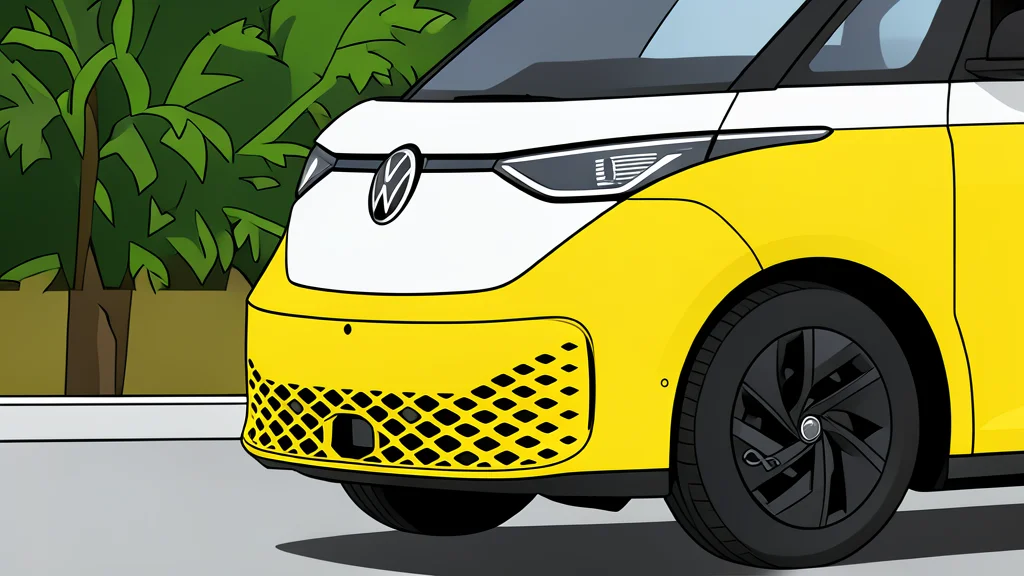
An unmodified electric van crossed six continents without technical failure, retaining 95.75% battery health after 445 days.
Key points
- Volkswagen's ID. Buzz traveled 99,767 kilometers across 92 countries over 445 days without a single technical failure.
- Independent inspection showed the battery retained 95.75 percent health after more than 300 charging cycles during the trip.
- Volkswagen plans to bring the ID. Buzz back to the US market for the 2027 model year with pricing to be announced.
Volkswagen has confirmed the practical limits of its electric van with a record-setting journey that spanned four continents. Driver Rainer Zietlow completed a 445-day tour covering approximately 99,767 kilometers, visiting 92 countries and crossing 16 oceans. The feat, recognized by Guinness World Records, demonstrates that the ID. Buzz can handle sustained long-distance travel without compromising its core utility.
The significance of this trip lies in the vehicle's condition upon return. Unlike many endurance tests that rely on specialized modifications or controlled conditions, Zietlow used a standard production model. According to Gear Patrol, the van suffered no technical failures during the entire duration, a claim backed by independent inspection from TÜV Nord before and after the journey.
Battery health survives extreme usage
The most critical metric for potential buyers is the state of the battery after such extensive use. Zietlow recorded more than 300 charging cycles during the trip, a volume of usage that typically raises concerns about degradation in high-mileage scenarios. The post-trip inspection revealed that the battery retained 95.75 percent of its original capacity, suggesting that the ID. Buzz's powertrain is robust enough to withstand heavy, continuous operation over years.
This result addresses a common hesitation regarding electric vehicle longevity. While laboratory tests provide theoretical data, real-world abuse over nearly a year offers a clearer picture of daily reliability. The fact that the battery did not suffer significant loss of health indicates that the cooling and management systems are effective under varied climatic and operational stresses.
Real-world driving proves viability
Many distance records for electric vehicles are achieved under hyper-efficient conditions, such as driving at low speeds without climate control. Zietlow’s journey differed significantly, requiring genuine problem-solving in regions with limited charging infrastructure. He navigated diverse terrains and weather conditions, demonstrating that the vehicle can function as a practical tool for adventure rather than just a showroom piece.
This achievement also highlights the expanding global charging ecosystem. The ability to complete such a journey without technical failure serves as a testament to the growing reliability of public charging networks. It suggests that for many users, the anxiety surrounding range and charging availability is becoming less of a barrier to entry for electric ownership.
US market return in 2027
The timing of this record is relevant for North American consumers, as Volkswagen plans to reintroduce the ID. Buzz to the United States for the 2027 model year. While specific pricing has not yet been announced, the vehicle’s proven durability may influence purchasing decisions. The combination of retro styling, spacious interior, and now-verified long-distance capability positions the ID. Buzz as a serious competitor in the electric van segment.
For buyers considering an electric vehicle for frequent travel, this data point adds weight to the decision. It moves the conversation from theoretical range estimates to proven endurance. As gas prices fluctuate and charging infrastructure improves, the ID. Buzz’s performance in this global trial offers concrete evidence of its suitability for long-haul adventures.