Eight Gaming Phones Tested for Sustained Speed
Peak benchmark scores often hide how quickly phones throttle under heat. This comparison prioritizes sustained performance, battery life, and control layouts to identify which devices remain playable during long sessions.
Choosing a gaming phone in 2026 requires looking past initial speed metrics. A processor can deliver impressive results in a short burst but often slows down as heat builds up inside the chassis. The real test is how well a device maintains its frame rate after thirty minutes of continuous use. This distinction separates dedicated gaming hardware from standard flagships that rely on passive cooling.
According to a recent analysis by GN technics/gaming (en-US), the REDMAGIC 11S Pro stands out as the top choice for raw performance retention. It uses active cooling components to delay the power reduction that affects most other devices. However, this approach comes with specific trade-offs, including weaker camera capabilities and a shorter software support window compared to mainstream competitors.
Active Cooling Extends Playtime
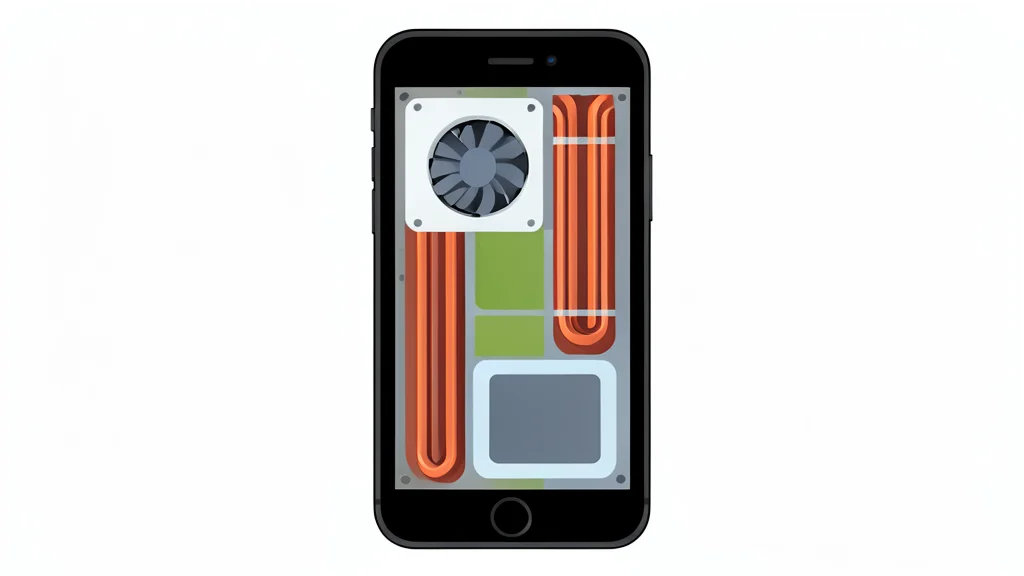
The REDMAGIC 11S Pro incorporates a physical fan, liquid metal heat pipes, and a large vapor chamber to manage thermal output. These components work together to keep the processor within its optimal operating temperature. This allows the phone to sustain high frame rates on its 144Hz display without the significant slowdowns seen in passively cooled rivals.
While the performance advantage over the previous model is modest, it is decisive for users who prioritize stability in competitive games. The device also features shoulder triggers for improved tactile control. The catch is that these specialized components make the phone less versatile for other daily tasks, particularly photography, where it lags behind general-purpose flagships.
Mainstream Flagships Offer Balance
For users who need a single device for work, media, and gaming, mainstream options present a different value proposition. The Galaxy S26 Ultra and iPhone 17 Pro Max offer superior camera systems and broader software ecosystems. The iPhone, in particular, benefits from a mature controller integration, making it a strong candidate for those invested in the iOS gaming library.
However, these devices lack the aggressive thermal management of dedicated gaming phones. They rely on standard heat dissipation methods, which can lead to throttling in extreme scenarios. The trade-off is a more refined user experience, better build quality, and longer-term software support, but at a higher price point that may not justify the gaming performance for dedicated players.
Battery Capacity Impacts Value
Battery life is a critical factor in the final verdict. The OnePlus 15 and POCO F8 Ultra offer large batteries and fast charging capabilities, which can offset slightly lower peak performance. The POCO model, for instance, focuses on audio quality and value, making it suitable for streaming and casual gaming.
The REDMAGIC 11S Pro includes a 7,500mAh battery, which supports long sessions without frequent charging. Yet, the overall value depends on what the user prioritizes. A gamer seeking maximum speed and control will likely find the dedicated hardware worth the compromise in camera quality and software longevity.