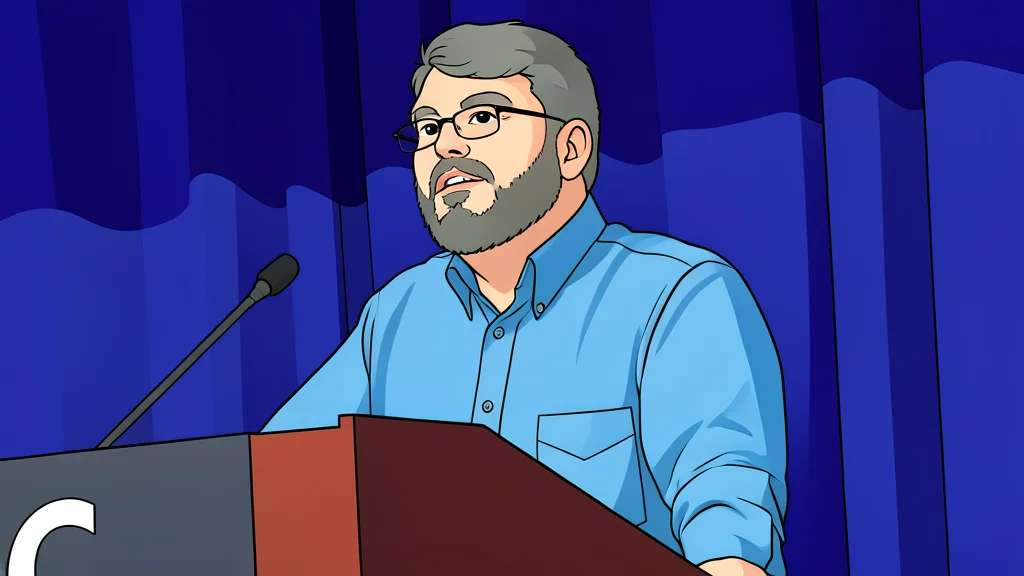
Epic Games CEO Warns EU Draft Law Could Stifle Young Creators

Epic Games CEO Tim Sweeney has sharply criticized a new European draft law, arguing that restricting minors' access to online games poses a serious risk to the next generation's ability to create and innovate.
On September 16, the European Commission released a draft regulation known as the EU Kids Act. This legislative proposal aims to tighten safety standards for minors online by raising the minimum age for account creation to 15. While the primary target is social media, the scope also extends to online gaming platforms, video services, and other digital environments where young users interact.
Tim Sweeney, the chief executive of Epic Games, reacted strongly to the announcement. In a public statement, he described the potential impact as detrimental to the future of humanity. Sweeney argued that these restrictions would not only remove entertainment options but also strip children of vital opportunities for creative expression and skill development in digital spaces.
Creative tools face regulatory barriers
Sweeney highlighted that modern games often function as sophisticated creation platforms. He compared current digital experiences to traditional playgrounds, noting that apps and games serve as the modern equivalents of paintbrushes and tree forts. Platforms like Fortnite and Roblox allow users to build, design, and code, effectively turning players into creators. The draft law threatens to block access to these tools for anyone under 15, effectively removing a key avenue for digital literacy and artistic expression.
Safety goals clash with access rights
The European Commission maintains that the initiative is designed to protect children from online harms. The core objective is to enhance safety by limiting the presence of young users on platforms where moderation is difficult. However, critics point out that a blanket age restriction fails to distinguish between passive consumption and active creation. By treating all online interactions as equally risky, the law may inadvertently penalize educational and creative activities alongside harmful content.
Industry pushes back on draft terms
The gaming industry is increasingly vocal about the potential consequences of such regulations. According to reporting from GN auto tech/gaming, the proposed barriers could significantly alter how developers design features for younger audiences. If the law passes, companies may be forced to remove or gatekeep creative modes to comply with age verification requirements. This trade-off highlights a growing tension between digital safety measures and the preservation of open, creative digital spaces for the next generation.