Next-Gen Gaming GPUs May Not Arrive Until 2028
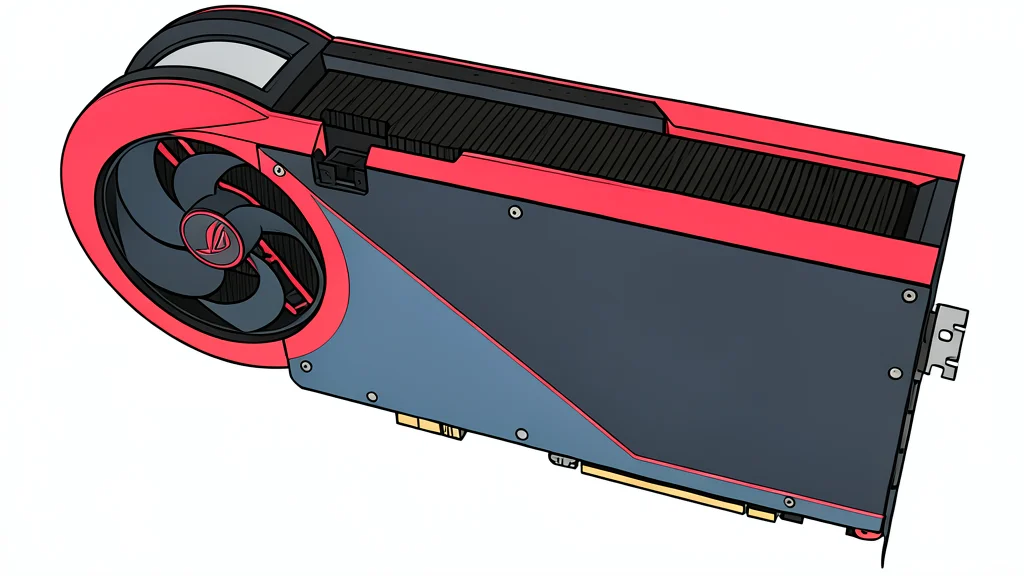
Rumors suggest a significant gap in the release schedule for high-end graphics cards, with the next major generation from NVIDIA and AMD potentially delayed to 2028 due to supply chain constraints.
Enthusiasts hoping for a new flagship graphics card may face a longer wait than expected. According to a report from GN technics/gaming (en-US), citing hardware leaker Kepler_L2, the next generation of gaming GPUs from both major manufacturers is not slated for release until 2028. This indicates a potential two-year gap following the current generation, as the industry navigates severe supply chain challenges.
The rumor points to NVIDIA's GeForce RTX 60-Series, codenamed Rubin, and AMD's RDNA 5-based Radeon RX 10000 series as the primary targets for this delay. While AMD may release a select model with the codename AT2 in 2027, the full stack of new hardware is reportedly pushed back. This timeline contrasts with typical annual refresh cycles and suggests a strategic pause rather than a minor slip.
Memory scarcity drives the delay
The primary driver behind this potential postponement is a critical shortage of DRAM, the memory component essential for high-performance graphics processing. Currently, the majority of available memory production is being allocated to hyperscalers and artificial intelligence labs. These large-scale entities are purchasing vast quantities of memory to power AI training and inference workloads, leaving limited stock for the consumer market.
This imbalance has created a difficult environment for consumer hardware manufacturers. With memory prices rising and availability dropping, producing next-generation gaming cards becomes economically and logistically challenging. The scarcity has already impacted the current generation, turning planned mid-cycle refreshes into speculation or outright cancellations, as companies prioritize stability over rapid iteration.
Impact on pricing and availability
For consumers, the immediate consequence is continued pressure on prices. The competition for limited memory supplies has driven up the cost of consumer GPUs over the past several quarters. This trend is likely to persist until the AI sector's demand stabilizes or memory production scales sufficiently to meet both industrial and consumer needs. Buyers should expect higher costs for new hardware in the near term.
The delay also offers a potential opportunity for the market to settle. As noted by community feedback, the current price bubble may eventually correct itself, allowing for more reasonable pricing structures. For gamers who do not require immediate hardware upgrades, this pause provides time for the market to stabilize and for new technology to mature before it reaches store shelves.
Future roadmap remains uncertain
While the leaker has a track record of accurate predictions, hardware roadmaps are subject to change. The specific details of AMD's potential 2027 release, including whether the AT2 model will serve as a flagship or a mid-range entry, remain unconfirmed. NVIDIA's plans for a stopgap solution before the Rubin launch are also still in flux, with some observers suggesting such a refresh may be canceled entirely.
Until official announcements are made, these reports should be treated as rumors. The complex interplay between AI demand, memory supply, and consumer pricing creates a volatile landscape for graphics hardware. Readers are advised to monitor official channels from NVIDIA and AMD for definitive timelines, as the 2028 target could shift if supply conditions improve or worsen.