Resident Evil Movie Hides Gameplay Mechanics in Set Design
Zach Cregger’s 2026 adaptation swaps character lore for mechanical references, turning set pieces into gameplay nods.
Zach Cregger’s 2026 adaptation of the Resident Evil franchise takes a distinct approach to honoring its source material. Rather than focusing on deep cuts regarding character backstories or specific plot points from the games, the film leans into the tactile experience of playing the series. The result is a movie that references game mechanics through set design and prop placement, creating a subtle layer of homage for those familiar with the original titles.
This strategy allows the director to avoid the common pitfall of adaptations that feel like fan service lists. Instead, the Easter eggs function as natural elements within the story’s tension. As reported by GN auto tech/entertainment: video game, these references are not just visual gags but structural nods to how players interact with the world, such as resource management and puzzle-solving constraints.
Typewriters and Ammo Define Survival
One of the most recognizable references involves a vintage mechanical typewriter found while searching for supplies. In the video games, typewriters serve as save points, with some modes limiting saves based on available ribbons. By placing this object in a context where the protagonist is hunting for ammunition, the film mirrors the constant trade-off between progress and resources that defines the gameplay loop.
Similarly, a box of shotgun shells with specific branding appears in the narrative. The green packaging with a bear logo and 'Heavy Field' text is a direct lift from the in-game reload screens. This detail grounds the action in the specific visual language of the games, reminding viewers of the finite nature of ammunition and the strategic weight of every shot fired.
Herbs and Puzzles Mirror Gameplay
Medical herbs, a staple healing item in the series, make an ironic appearance in the film. The protagonist passes these items without using them, just before becoming infected. This moment highlights the disconnect between the character’s survival instincts and the game’s logic, where ignoring such items often leads to failure. It serves as a cheeky commentary on player behavior and risk assessment.
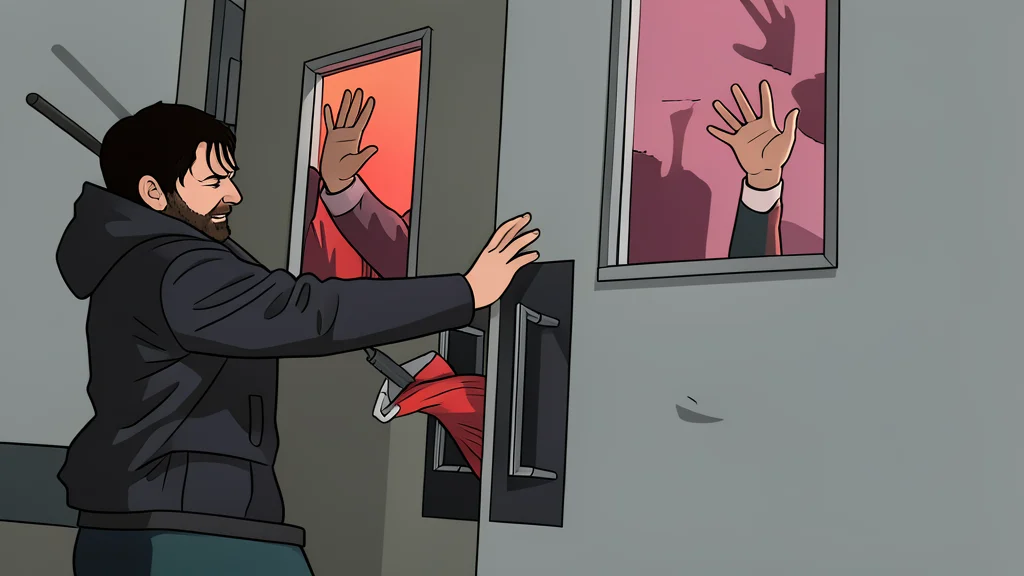
The film also nods to the franchise’s puzzle mechanics through a scene involving a locked gate. Instead of solving the lock, the character attempts to force an exit with a vehicle, resulting in mechanical failure. This reflects the common gaming experience where brute force is a tempting but ultimately futile alternative to proper problem-solving, reinforcing the theme of constrained options that drives the horror.
Parasites Draw From Later Entries
While the original games feature traditional zombies, the 2026 film introduces tendril-like parasites that merge bodies into new forms. This design choice echoes the Las Plagas creatures from Resident Evil 4, shifting the threat from mindless shambling to complex biological transformation. This reference draws from the broader franchise history rather than a single title, broadening the scope of the adaptation’s homage.
These references collectively suggest a film that respects the player’s journey as much as the story itself. By embedding game mechanics into the narrative fabric, the adaptation offers a unique viewing experience for fans. It acknowledges that the core appeal of Resident Evil lies not just in its monsters, but in the specific, resource-starved tension of navigating a hostile world.