Doubao Smartphone: The AI Assistant that Cannot Cross App Boundaries
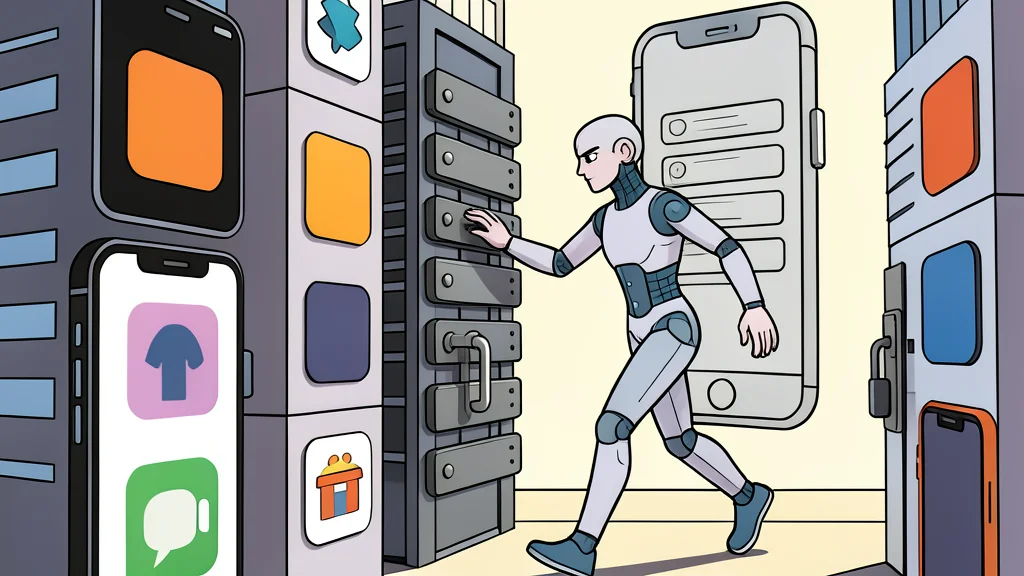
The Nubia NaviX Ultra promises to automate daily tasks, but real-world testing reveals it is blocked by major platforms, leaving users to perform manual work despite the high price tag.
The Nubia NaviX Ultra, marketed as the second-generation Doubao smartphone, launched in China with a starting price of 5,999 yuan. It is designed to act as an autonomous agent, handling tasks like shopping and messaging on behalf of the user. However, independent tests published by GN technics/mobile (en-US) show a stark contrast between this promise and the device's actual capabilities in the real world.
While the phone can successfully launch applications, it fails to execute actions within them. Journalists found that the assistant could open WeChat but could not post to social feeds, nor could it place orders on major e-commerce platforms like Taobao or JD.com. This limitation turns a device sold at a premium into a standard smartphone for most daily functions, as users must still manually interact with the core services they rely on.
Platform Restrictions Block Automation
The core issue is not technical failure but corporate policy. Major Chinese applications have actively restricted third-party automation to protect their user bases and advertising revenue models. When Doubao first attempted to automate WeChat interactions in late 2025, the platform quickly disabled those features, citing security concerns. This created a situation where the AI’s ability to recognize interface elements is irrelevant because the apps refuse to accept the inputs.
This dynamic creates a significant trade-off for consumers. The price increase from the first prototype to the current model reflects a promise of cross-app intelligence. Yet, because ByteDance’s AI cannot bypass the control mechanisms of competing tech giants, buyers are paying a premium for a feature that remains largely inactive. The device effectively functions as a dedicated portal for ByteDance’s own ecosystem, while remaining locked out of the broader digital economy.
New Protocol Defines Access Rules
To address these conflicts, Doubao introduced the Screen Automated Operation Protocol, or SAEP. This framework establishes a formal negotiation process for app developers. During an initial notice period, apps are not automated by default. Developers must explicitly opt-in to allow the AI to perform tasks within their platforms. If an app does not respond, it is granted access; if it refuses, the automation is blocked. This shift moves the decision-making power from the phone manufacturer to the software providers.
High Price With Limited Utility
The financial stakes for early adopters are high. With first-day sales reported to exceed 100 million yuan, Nubia has captured significant market interest. However, the reality for the average user is a disjointed experience. The AI can navigate the phone’s interface, but it cannot bridge the gap between apps. This means the most valuable use case—seamless, hands-free management of diverse online services—remains unfulfilled. The device serves as a cautionary example of how technical capability does not equate to practical utility when commercial interests are misaligned.