NASA and IBM Release New AI Model for Lunar Science
A new artificial intelligence model aims to accelerate the analysis of Moon data, marking a significant step in collaborative space research.
NASA and IBM have released a new artificial intelligence model specifically designed to support lunar science. The tool is intended to streamline the complex process of analyzing data collected from the Moon, helping researchers identify patterns and insights more efficiently. This release builds on the two organizations' previous work in developing geospatial AI foundation models, extending their collaborative efforts into the lunar domain.
While the announcement highlights the potential of the model to handle vast datasets, specific details regarding its internal architecture and the exact training data used remain limited. The initial release focuses on the model's application rather than a deep technical breakdown, leaving some aspects of its development opaque to the public. This approach is common in early-stage scientific tools where the primary goal is to demonstrate utility before disclosing full technical specifications.
The trade-off for early adoption
For scientists, the availability of this tool offers a significant advantage in processing time, potentially reducing the months-long manual analysis of lunar imagery and sensor data. However, the lack of detailed technical documentation creates a barrier for independent verification. Researchers may need to rely heavily on the output of the model without fully understanding the underlying biases or limitations of the training data. This creates a dependency on the developers for troubleshooting and validation, which can slow down the iterative research process.
The model represents a shift toward automated scientific discovery, but it also introduces new questions about data transparency. As AI tools become more integrated into space research, the balance between user-friendly access and technical rigor becomes critical. Users must weigh the speed gains against the need for full transparency, a challenge that will likely shape the future of AI in scientific fields.
Broader context in space tech
This development arrives alongside other significant announcements in the space sector. Tesla has set a date for October 1 to reveal its next-generation Roadster, with strong indications that a SpaceX thruster demo will be part of the event. The proximity of the event location to SpaceX’s McGregor test facility suggests a practical demonstration of the hover capability that has been teased for years. Whether this hardware is ready for flight or remains a technical showcase is still unclear.
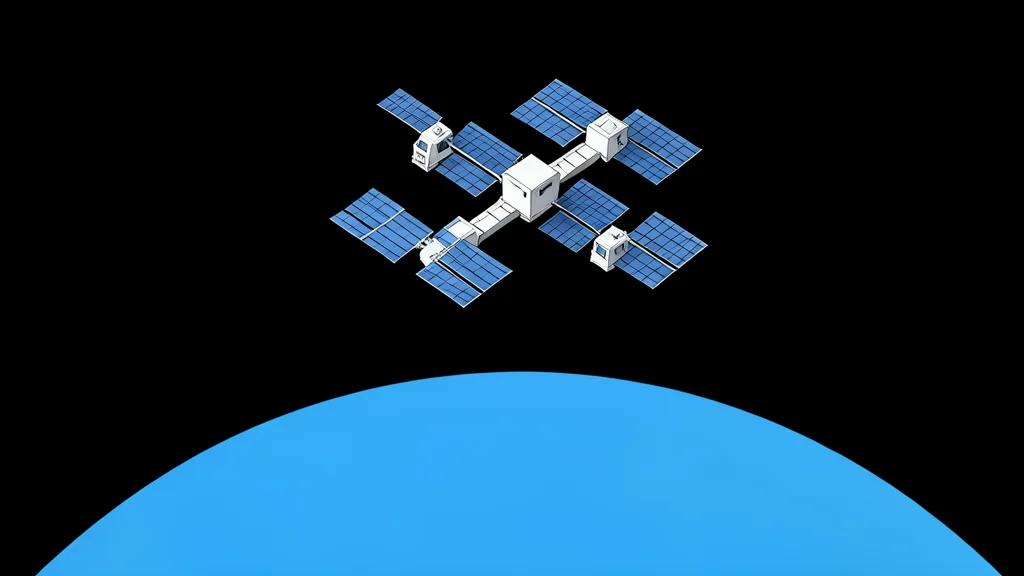
Meanwhile, the global satellite environment continues to evolve. According to reports from GN auto tech/space, there are currently nearly 16,000 active satellites being tracked, along with nearly 15,000 cataloged debris objects. The pace of launches remains high, with over 200 orbital launches recorded this year. This growing congestion in low Earth orbit underscores the importance of precise data analysis, a field where tools like the new lunar AI model could eventually offer broader applications in tracking and collision avoidance.
Implications for future missions
The integration of AI into lunar research is expected to play a crucial role in upcoming missions. As the cost of data collection decreases, the volume of information increases, making manual analysis increasingly impractical. The new model could help prioritize targets for rovers and landers, optimizing mission plans based on real-time data interpretation. This efficiency gain could translate into faster scientific discoveries and more robust decision-making during critical mission phases.
However, the success of such tools depends on their ability to handle the unique challenges of lunar data, including the lack of atmospheric interference and the specific spectral properties of the Moon's surface. As the model matures, it will likely undergo rigorous testing and peer review. For now, it stands as a promising step toward a more data-driven approach to exploring our nearest celestial neighbor, though the full extent of its impact remains to be seen.