Tunisian Student Satellite Reaches Orbit on SpaceX Rideshare
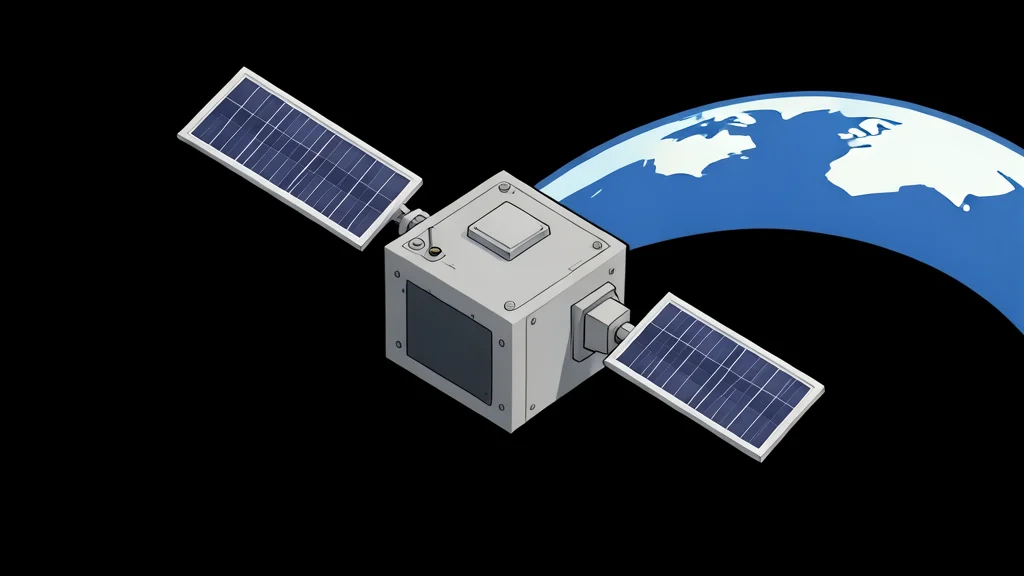
A four-kilogram CubeSat built by Tunisian students is now orbiting Earth, marking a significant step for North African aerospace capability.
PARUS-T1 is a small, box-shaped satellite that launched in January 2025 on a SpaceX Falcon 9 rocket. Built by PYRAS, a student aerospace group in Tunis, the spacecraft represents the first orbital hardware developed by this organization. At just four kilograms, it is one of the smallest satellites currently tracked in orbit, yet its deployment signals a growing presence for Tunisia in low Earth orbit.
The mission was included as a secondary payload on the Transporter-12 rideshare flight from Vandenberg Space Force Base. This approach allows smaller operators to access space without the cost of a dedicated launch. According to reporting from GN auto tech/space: satellite deployment, the satellite remains active and is functioning as intended, demonstrating that limited resources can still yield practical results in space technology.
Student Team Builds First Orbital Hardware
PYRAS, the Pico-satellite Research and Application Society, operates out of Tunis. The group has focused on building small satellite capacity within North Africa, a region with fewer established commercial space programs. By manufacturing the satellite in-house, the team gained hands-on experience in design, testing, and integration. This practical demonstration is crucial for training the next generation of aerospace engineers in the region.
The satellite is a 3U CubeSat, a standardized format that is roughly 30 centimeters long. While the specific mission payload has not been publicly detailed, satellites of this class typically carry technology demonstrations, Earth observation cameras, or amateur radio transponders. The primary goal is to validate the team’s engineering capabilities and provide real-world data on how such hardware performs in the vacuum of space.
Orbit Decay Is Expected and Manageable
PARUS-T1 currently orbits at an altitude of approximately 470 to 490 kilometers in a sun-synchronous path. This orbit allows the satellite to pass over the same part of the Earth at the same local solar time, which is useful for consistent lighting conditions. Over an 89-day observation period, the satellite’s orbit has lowered by about 4.8 kilometers. This steady decay is normal for small satellites at this altitude due to atmospheric drag.
The decay rate is roughly 54 meters per day. Although this sounds significant, it means the satellite has years of operational life remaining. As the orbit lowers, drag will increase, eventually causing the satellite to reenter the atmosphere. This is a standard end-of-life trajectory for uncontrolled small satellites, ensuring it burns up rather than becoming long-term space debris.
Rideshare Launches Enable Small Operators
The launch vehicle was a SpaceX Falcon 9, a workhorse of the commercial space industry. Rideshare missions allow multiple smaller payloads to share the cost of a single rocket launch. For a student group like PYRAS, this model is essential. A dedicated launch would be prohibitively expensive, but joining a rideshare makes orbital access feasible. This trend is democratizing space access, allowing universities and small teams to participate in activities that were once reserved for national space agencies.
Despite its small size, the satellite has a cataloged identity under the COSPAR ID 2025-009S. It is tracked alongside larger government and commercial spacecraft. The successful deployment and continued operation of PARUS-T1 highlight the shifting landscape of space exploration. It is no longer just the domain of large corporations and state agencies, but increasingly includes smaller, agile teams from around the world.