Falcon 9 Launches from Cape Canaveral on Sept 13
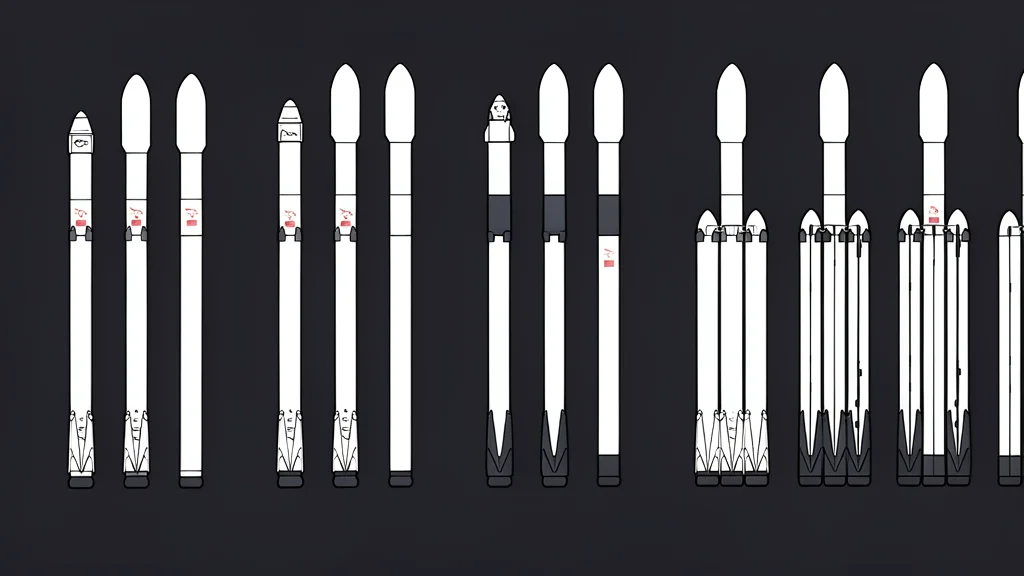
SpaceX is preparing a Falcon 9 Block 5 mission for launch on September 13, offering a clear window for space enthusiasts to observe current commercial spaceflight operations.
SpaceX has scheduled a Falcon 9 Block 5 rocket for launch on September 13 at 11:49 a.m. Pacific Daylight Time. The mission will lift off from Cape Canaveral Space Force Station in Florida. According to data tracked by GN auto tech/space: space launch, this is the only commercial launch planned for that day. For viewers, the primary way to follow the event is through official webcasts provided by SpaceX or through established third-party tracking sites that aggregate live feeds and countdowns.
The event follows a similar pattern to the recent launch of NASA’s Roman Space Telescope in August, which was streamed live to a global audience. While the specific payload for the September 13 mission is not the focus of this immediate schedule update, the operational cadence remains consistent with SpaceX’s standard commercial launch rhythm. Viewers should note that local time zones will differ significantly from the listed Pacific time, making conversion essential for those attempting to watch in real-time.
Accessing Live Streams And Feeds
To watch the launch, the most reliable source is SpaceX’s official website, which lists upcoming missions and links directly to their proprietary webcast. However, several independent platforms also provide coverage. Sites like RocketLaunch.Live and Spaceflight Now maintain detailed schedules that include exact launch times, countdown timers, and embedded video streams. These aggregators often link to the same primary feeds but may offer additional commentary or alternative angles. It is generally recommended to check the provider’s official page first, as it ensures the highest quality video and audio without buffering issues common on third-party mirrors.
If you are unable to access the primary stream, YouTube often hosts local coverage or secondary feeds from launch trackers. These streams are frequently posted by enthusiasts or regional news outlets near the launch site. While these alternative feeds can be useful, they may have lower resolution or delayed audio. For the best experience, stick to the official SpaceX feed or major aerospace news outlets that have direct partnerships for live broadcasting.
Practical Viewing Tips For Users
Timing is critical for a smooth viewing experience. Launch providers typically begin their pre-launch commentary and countdown sequences 10 to 15 minutes before the scheduled lift-off time. Arriving early to the broadcast page allows you to see the final checks on the rocket and the weather update. If you are planning to watch in person at a public viewing area, arrive well before the scheduled time, as traffic can be heavy and parking spots fill up quickly.
One significant trade-off for online viewers is the reliance on stable internet connections. High-definition live streams require a robust bandwidth, and congested networks can lead to buffering during key moments like the engine ignition. To mitigate this, test your connection speed ahead of time and consider using a wired connection if possible. Additionally, always verify the launch time in your local timezone, as the listed Pacific time can be easily confused with Eastern or Central time, leading to missed events.
Context Of Recent Commercial Missions
This launch is part of a broader trend of frequent commercial spaceflights. The recent success of the Falcon Heavy mission carrying the Roman Space Telescope demonstrates the versatility of SpaceX’s fleet. While the Falcon 9 is a reusable rocket designed for lower orbit missions, the Falcon Heavy is used for heavier payloads. The frequency of these launches has normalized space travel for many observers, turning what was once a rare event into a routine occurrence. This shift has also influenced market expectations, with analysts closely watching the company’s performance and stock projections.
For those interested in the broader implications, these launches highlight the growing infrastructure of the space economy. The availability of live streams and detailed schedules on sites like RocketLaunch.org reflects a maturing industry that prioritizes transparency and public engagement. As more missions are scheduled, the ability to easily access and understand launch data becomes increasingly important for both casual viewers and industry professionals.