A 399 Dollar Duck Robot Redefines Consumer Robotics
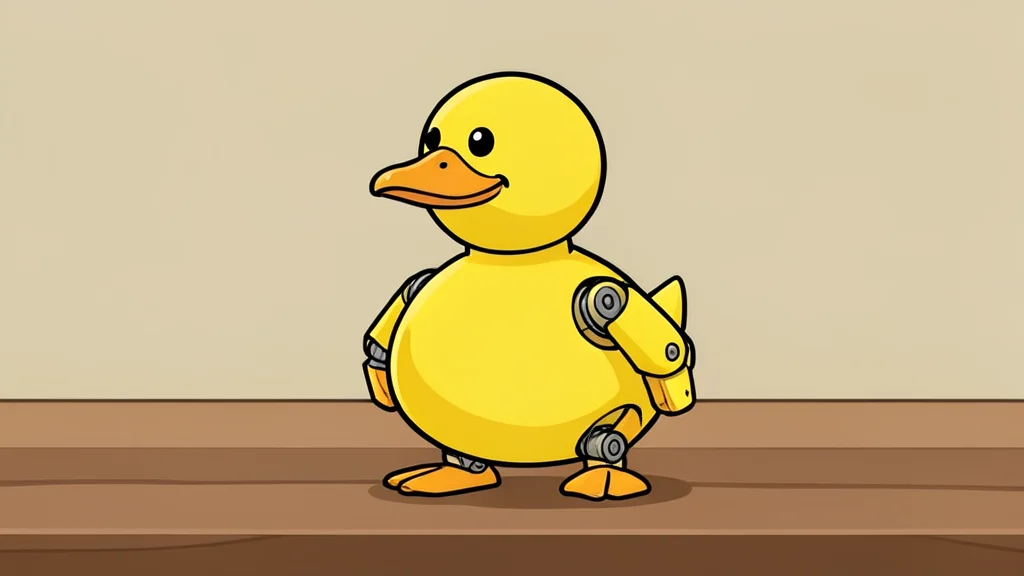
A small, open-source duck robot has shattered price barriers in the robotics industry, forcing a shift away from expensive humanoids toward accessible, developer-friendly hardware.
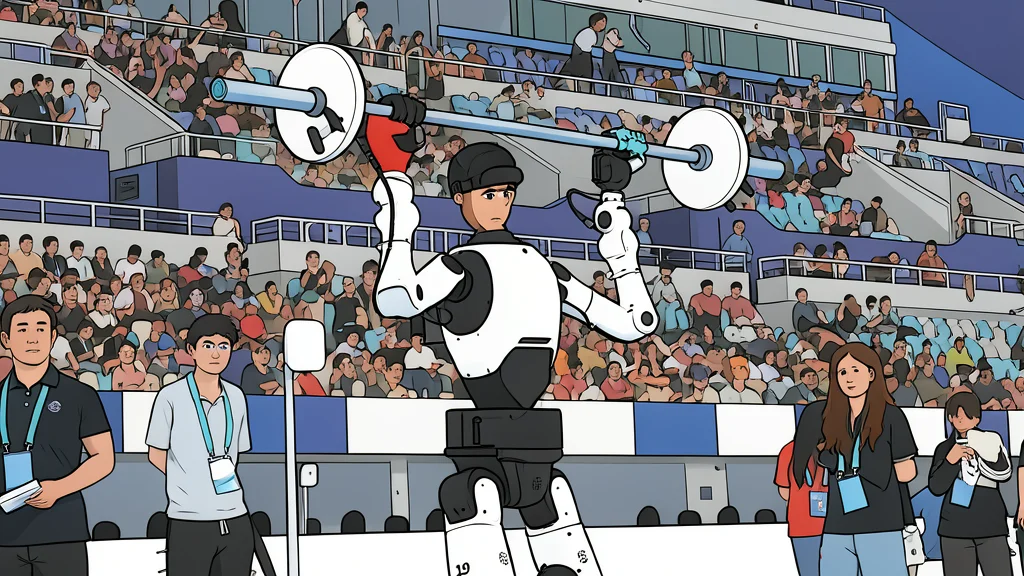
The robotics industry has long been defined by a stark divide between high-end, human-like machines and the general public. For years, the narrative has centered on universal, bipedal robots that cost hundreds of thousands of dollars, leaving them largely inaccessible to ordinary consumers. This exclusivity was recently highlighted by the volatile market performance of Unitree, whose stock price surged and then halved, raising questions about the commercial viability of high-cost humanoid platforms.
In contrast, a new entry from Hugging Face’s Pollen Robotics is disrupting this model with a radically different approach. The Microduck is a 25-centimeter mechanical figure priced at just 399 US dollars. By focusing on affordability and open-source software rather than human-like precision, it has triggered a surge in demand that suggests the consumer market for robotics may be maturing faster than the industrial sector.
Affordable Accessibility Drives Demand
The primary appeal of the Microduck is its price point, which is a fraction of the cost of traditional robotic dogs or full-size humanoids. At roughly 2,800 RMB, it places walkable robotics within reach of hobbyists, developers, and families. This shift in pricing has transformed the product from a laboratory curiosity into a viable consumer good, attracting thousands of pre-orders within hours.
However, the low price comes with significant trade-offs. The robot is not a general-purpose assistant but a specialized platform with limited physical capabilities. It stands only 25 centimeters tall and exhibits a waddling gait that is deliberately simple. Users cannot expect it to perform complex household tasks, but they gain a tangible, physical interface for testing robotic concepts at home.
Open Source Empowers Developers
The hardware is only part of the value proposition. The Microduck comes with a fully open-source reinforcement learning pipeline, allowing users to train the robot in virtual simulations before deploying those behaviors to the physical unit. This transparency is a major departure from closed-system competitors, who typically lock users into proprietary ecosystems. For developers, this means they can experiment with motion control and AI behaviors without needing expensive proprietary software licenses.
This openness has created a vibrant community of users who are sharing custom movements and code. According to GN auto tech/robotics, this collaborative aspect is key to its appeal. While the robot itself is a simple duck-shaped figure, the software framework allows it to be a versatile tool for learning embodied AI. The catch is that this requires a certain level of technical proficiency to fully utilize, making it less of a 'plug-and-play' toy and more of a development kit.
Market Saturation and Supply Issues
The rapid popularity of the Microduck has outpaced manufacturing capacity. Pre-orders reached over 2.6 million dollars within 24 hours, with a backlog that extends several months. In China, secondary market sellers are already reselling units at a 50% markup. This scarcity highlights a potential bottleneck in the transition from prototype to mass market. While the demand is strong, the ability to fulfill it quickly remains a challenge for the manufacturer.
Competitors are taking note, with other companies launching smaller, personal robots aimed at the same consumer segment. The market is moving away from the idea that a robot must be human-sized to be useful. Instead, the focus is shifting to niche applications, such as education and companionship, where cost and accessibility are more important than raw power. The duck may not be the future of all robotics, but it is clearly a signal that the industry is finally meeting the public where they are.