Xiaomi Sets September Date for 18 Pro Launch

Xiaomi has confirmed the official debut date for its upcoming flagship smartphones, joining a busy week of high-end Android releases in China.
Xiaomi has officially scheduled the launch of its Xiaomi 18 Pro series for September 23 in China. The announcement, made via the company’s Weibo account, places the event directly alongside major debuts from competitors Vivo and Oppo, creating a concentrated period for premium smartphone releases in the region.
The event will focus on the Xiaomi 18 Pro and 18 Pro Max models. While the standard Xiaomi 18 is expected later this year or in early 2027, the Pro Max variant is positioned as the company’s top-tier traditional smartphone for this generation, with no separate Ultra model planned.
A Crowded Week for Flagships
The timing of the launch suggests a deliberate competitive strategy. According to GN technics/mobile (en-US), Vivo is set to unveil its X500 series on September 21, followed by Oppo’s Find X10 series on September 22. This three-day window sees major manufacturers releasing their most expensive devices in quick succession, likely intensifying scrutiny on performance, pricing, and feature differentiation among consumers.
Camera Focus Defines the Lineup
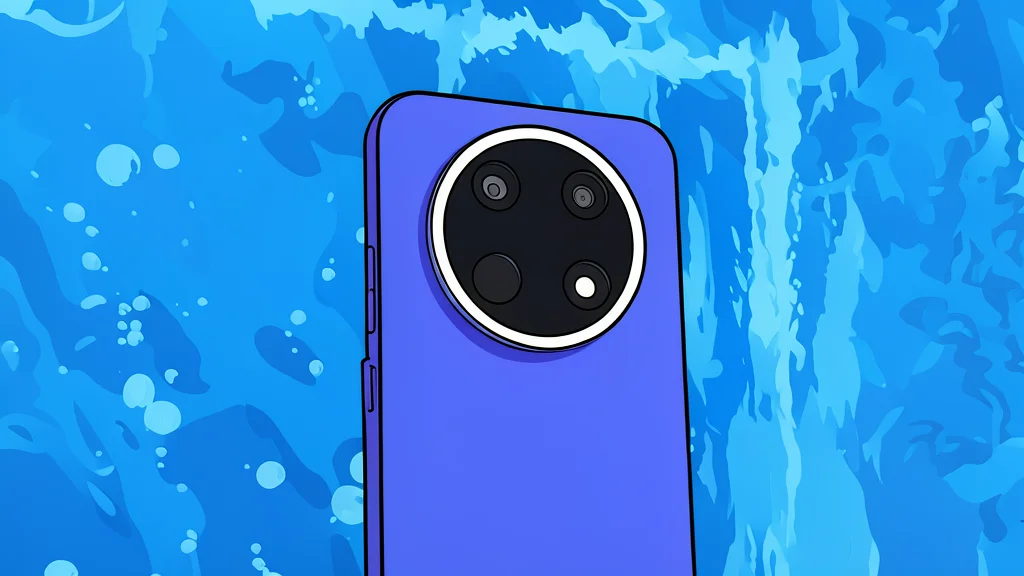
Consistent with recent trends, the new phones prioritize imaging capabilities. Both the Pro and Pro Max models will feature 200-megapixel sensors for both the main lens and the periscope zoom. This high-resolution approach aims to offer detailed capture in both standard and magnified shots, though such high pixel counts often require significant processing power to manage file sizes and optimize image quality in real-time.
Beyond the cameras, the devices are built around new hardware standards. They will utilize 2-nanometer chipsets and M11 OLED display technology. The inclusion of larger silicon-carbon batteries represents a notable shift in power storage, with the smaller Pro model offering 7,000 mAh and the larger Pro Max reaching 8,500 mAh. These capacities are significantly higher than previous generations, promising extended usage times but potentially resulting in thicker device profiles.