Humanoid Robots Shift from Labs to Factory Floors
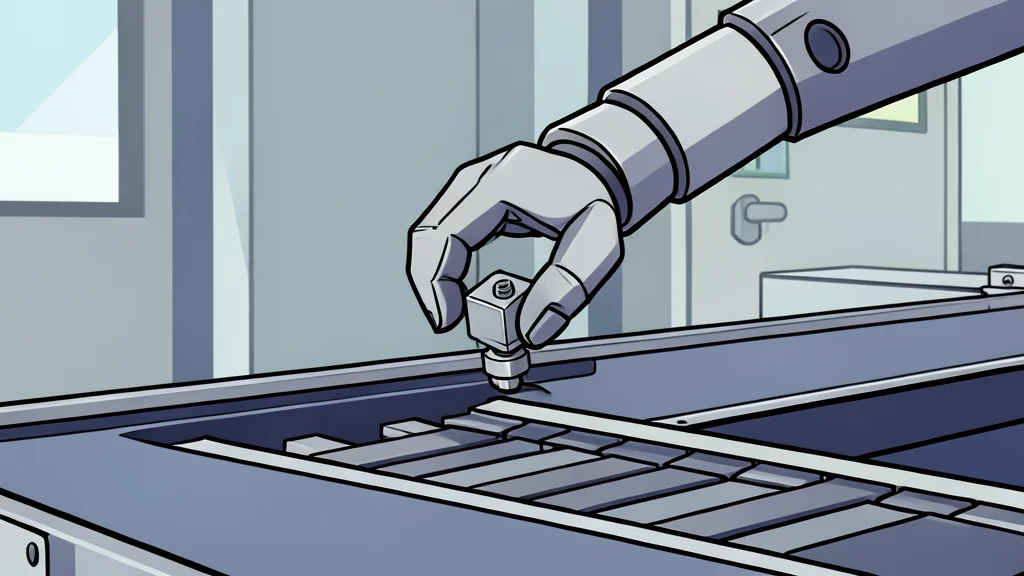
Humanoid robots are leaving research labs for real-world work, with Chinese manufacturers leading global deployment while American firms focus on advanced AI integration.
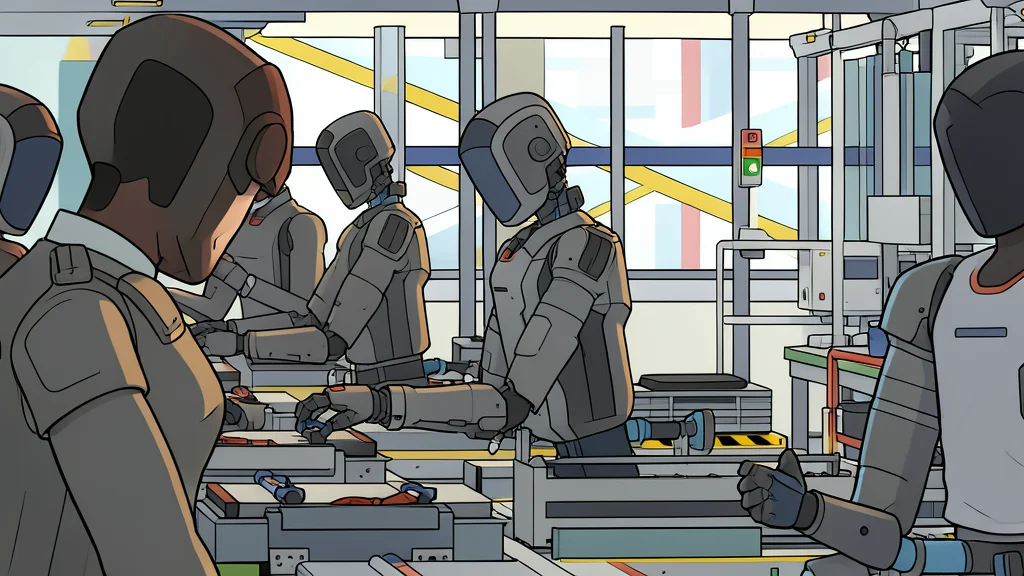
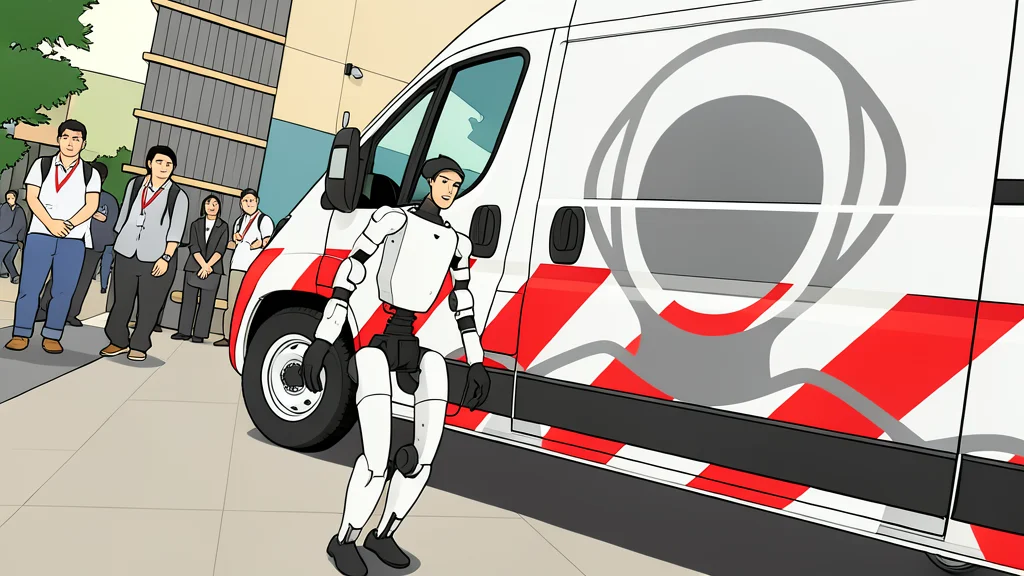
Humanoid robots are steadily moving out of research laboratories and into factories, warehouses, and service centers. These machines use artificial intelligence to understand instructions, recognize objects, and perform physical tasks in complex human-built environments.
While American companies remain influential in developing advanced AI models and robotic hardware, Chinese manufacturers have established a substantial lead in production. In 2025, Chinese firms accounted for more than four out of every five humanoid robot installations worldwide, according to market data cited by GN auto tech/robotics.
Chinese firms dominate global installation numbers
Shanghai-based AgiBot has emerged as a major player, leading the global market with a 30.4 percent share of installations in 2025. The company’s success is driven by mass production, an open-source strategy, and a wide portfolio that includes full-size humanoids and industrial machines designed for manufacturing, logistics, and customer-facing roles.
Unitree Robotics, another Chinese firm, captured 26.4 percent of worldwide humanoid installations. Known initially for agile quadruped robots, Unitree now produces humanoids like the G1, which starts at approximately $13,500. This lower price point makes advanced robotic hardware more accessible to universities, developers, and AI laboratories, though the trade-off is that these machines often lack the robust industrial integration of higher-end systems.
American companies focus on AI integration
California-based Figure AI is developing general-purpose humanoids that prioritize advanced AI capabilities. Its Figure 03 robot uses an embodied AI system to convert visual information and natural-language instructions into physical actions. The company has demonstrated its technology on an active BMW production line, where its robots loaded over 90,000 components and contributed to the production of more than 30,000 vehicles.
Tesla is also developing its Optimus robot, leveraging technologies from its autonomous vehicles such as computer vision and neural networks. Tesla possesses the manufacturing scale to produce these machines, but the catch is that Optimus has yet to achieve significant commercial deployment. Elon Musk has acknowledged that the initial production ramp will be extremely slow, limiting its immediate impact on factory floors.
Practicality remains a major hurdle
Shenzhen-based UBTech Robotics is targeting practical industrial work with its Walker series, which can replace its own battery to resume work without human assistance. However, a Reuters investigation found that humanoids generally remain too slow and error-prone for most industrial work. This highlights the current trade-off: while these robots are becoming more capable, they have not yet reached the reliability required for widespread, unsupervised deployment in demanding environments.