Robot Kicks Customer After Being Shoved in Store
A viral video of a humanoid robot striking a shopper looks like an act of aggression, but the mechanics of balance and pre-programmed demos offer a more prosaic explanation.
A clip circulating online shows a humanoid robot in an electronics store appearing to kick a customer who had just shoved it. While the footage has been widely interpreted as a machine fighting back in self-defense, a more technical review suggests the action was likely an involuntary mechanical response rather than a deliberate attack. The incident has sparked debate about the safety of these devices in public spaces.
The robot involved is a bipedal unit designed to assist with sales in retail environments. When the customer pushed the machine, it reacted with a sudden leg movement that looked like a strike. Experts note that while the outcome appears violent, the underlying cause is tied to how these machines maintain stability and the specific software routines they are programmed to execute.
Balance correction mimics aggressive movement
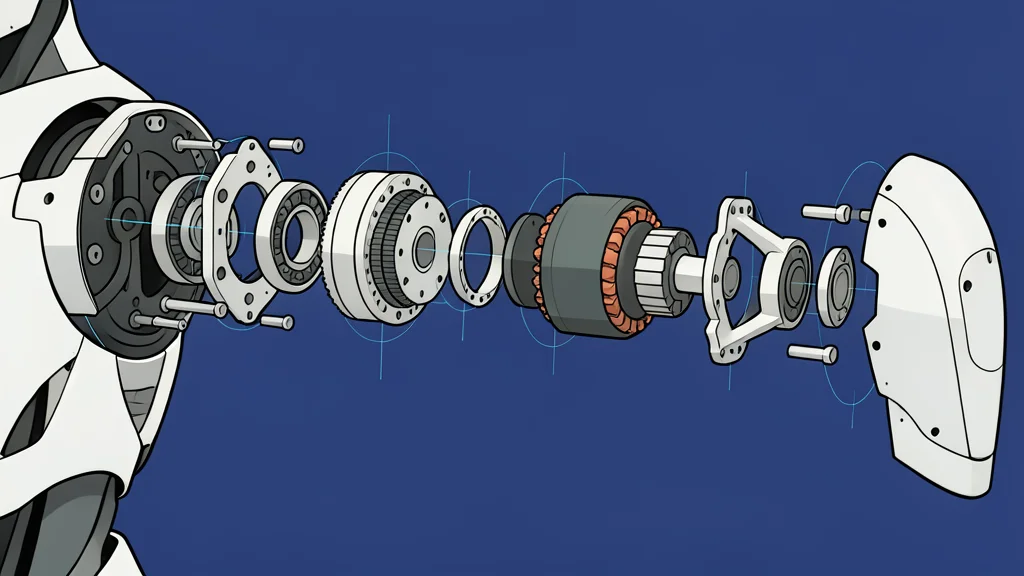
Humanoid robots rely on continuous balance controllers to stay upright. When a small force is applied, the system adjusts the ankles and hips to counter the tilt. However, if the push is significant, the robot must take a step to regain its center of gravity. This step is taken in the direction of the force to stabilize the weight, but to an observer, a leg swinging forward rapidly can easily be mistaken for a kick.
This mechanical necessity creates a trade-off. The ability to recover from physical interference is essential for a robot operating around people, but the recovery motion can inadvertently look hostile. There is no intent or anger in the code; it is simply a physical reaction to a destabilizing force. The machine is not choosing to fight, but rather executing a survival protocol to avoid falling over.
Pre-loaded demo modes trigger actions
Another possibility is that the robot was running a demonstration routine. Many humanoid models, such as those from Unitree, come with combat or dance sequences built into their firmware. These are often used for marketing or testing purposes. If a specific input, like a touch or a push, is mapped to trigger a demo, the robot may perform a choreographed kick without any defensive logic being involved.
Reports from similar incidents, including one involving a robotics company called REK, suggest that remote operation or scripted behaviors are common culprits. In the case of the Russian store incident, the source GN auto tech/robotics notes that the robot may have been in a state where it was either remotely controlled or executing a pre-defined sequence. This highlights a key risk in deploying such technology: the line between a safety feature and a performance mode can be blurred.
Safety concerns in public spaces
The incident raises questions about how humanoid robots are deployed in high-traffic areas. While the immediate cause was likely mechanical or software-related, the potential for injury is real. A robot weighing hundreds of pounds moving its limbs at speed can cause harm, even if it is not trying to. This underscores the need for clear safety protocols and fail-safes that prevent aggressive-looking movements in the presence of the public.
For consumers, this means that a robot’s actions should not be read as emotional responses. The trade-off for having an interactive assistant is the acceptance of a machine that operates on rigid, predictable logic. Understanding that these devices are tools governed by code, rather than agents with intent, helps contextualize incidents like this one. The risk remains that a simple nudge could trigger a complex, unintended physical response.