Orion's $2,195 Smart Mattress Pad Promises Better Sleep

Orion claims its AI-driven mattress pad optimizes sleep quality through precise temperature control, but the high price tag and complex setup raise questions about its true value for the average consumer.
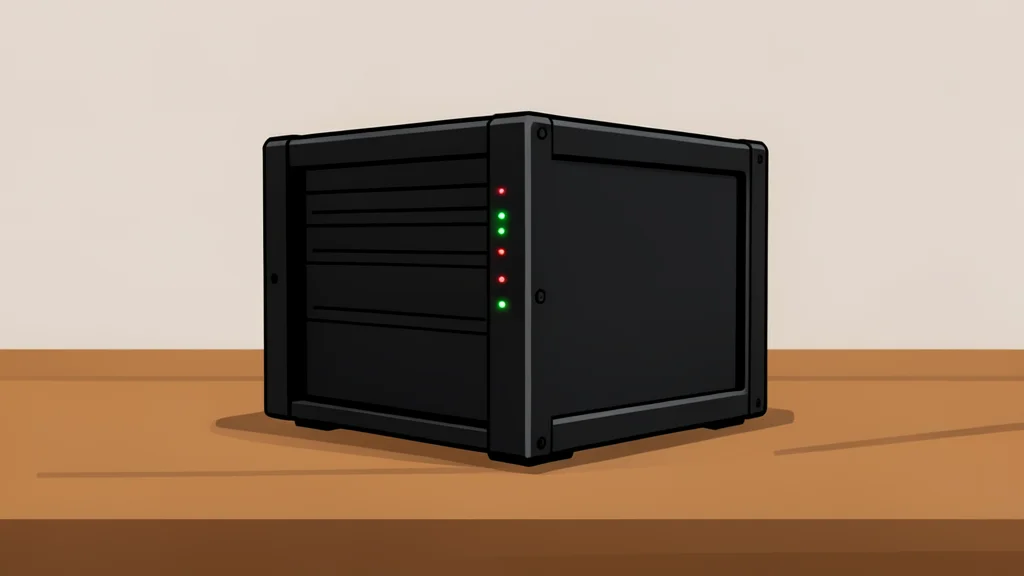
Orion has introduced a smart mattress pad priced at $2,195, aiming to improve sleep quality through automated temperature regulation. The device functions as a plush layer placed on top of a standard mattress, featuring visible tubing that connects to a sleek, tower-like control unit resembling a modern bedside table. According to the company, this system actively adjusts the bed's temperature throughout the night to minimize disturbances and help users stay asleep.
The product positions itself at the intersection of comfort technology and emerging longevity trends. By using a water-based cooling system managed via a mobile application, Orion seeks to address common sleep issues such as overheating. However, the significant cost and the reliance on advanced software features present a notable trade-off for potential buyers who may question whether such sophisticated engineering is necessary for a basic rest.
Temperature Control Drives Sleep Quality
The core function of the Orion pad is to manage the thermal environment of the bed. It begins cooling down around the time the user goes to sleep, becoming progressively colder to aid in falling asleep. As the morning approaches, the system gradually raises the temperature to room level, making it easier to wake up. This automated cycle removes the need for manual adjustments, such as flipping a pillow to find a cooler side, effectively turning the entire bed into a consistently comfortable surface.
For couples, the system offers a dual-zone capability, allowing each side of the bed to operate on an independent schedule. This feature addresses the common conflict where one partner prefers a warmer sleep environment than the other. By isolating temperature controls, the pad attempts to resolve this friction without requiring one person to compromise on their comfort preferences.
High Price Raises Value Questions
At over two thousand dollars, the Orion pad is a significant financial commitment. The high price point is partly attributed to the integration of artificial intelligence, which claims to learn from user data to optimize sleep patterns. Critics and skeptics, however, question how much these AI features contribute to the overall experience compared to a simple, programmable cooling system. The cost may deter many consumers who are unsure if the technological complexity justifies the premium over traditional bedding solutions.
The target market appears to be individuals focused on health optimization and longevity, a growing trend among tech-savvy demographics. While the product promises tangible benefits like reduced night waking, the value proposition relies heavily on the user's belief in data-driven sleep improvement. For those who do not prioritize biometric tracking or automated comfort, the investment may seem excessive for what is essentially a heated and cooled mattress topper.
Setup Process Requires Maintenance
Installing the Orion system involves unpacking two large boxes and connecting the tubing between the pad and the control tower. The process is described as straightforward but requires careful attention to detail. Users must also pour water into the control tower to activate the cooling mechanism. Although the water reservoir lasts for months, the need for periodic refills adds a layer of maintenance that traditional mattresses do not require.
Once set up, the system operates largely autonomously, with users interacting primarily through a smartphone app to check sleep data or adjust settings. The app provides insights into sleep stages, including light, deep, and REM sleep, though the practical utility of this data is subjective. Overall, the Orion pad represents a high-end attempt to merge consumer electronics with bedding, offering a sophisticated solution for a specific niche of users willing to pay for convenience and data-driven comfort.