Tovala Smart Oven: A Convenient Compromise for Busy Dinners
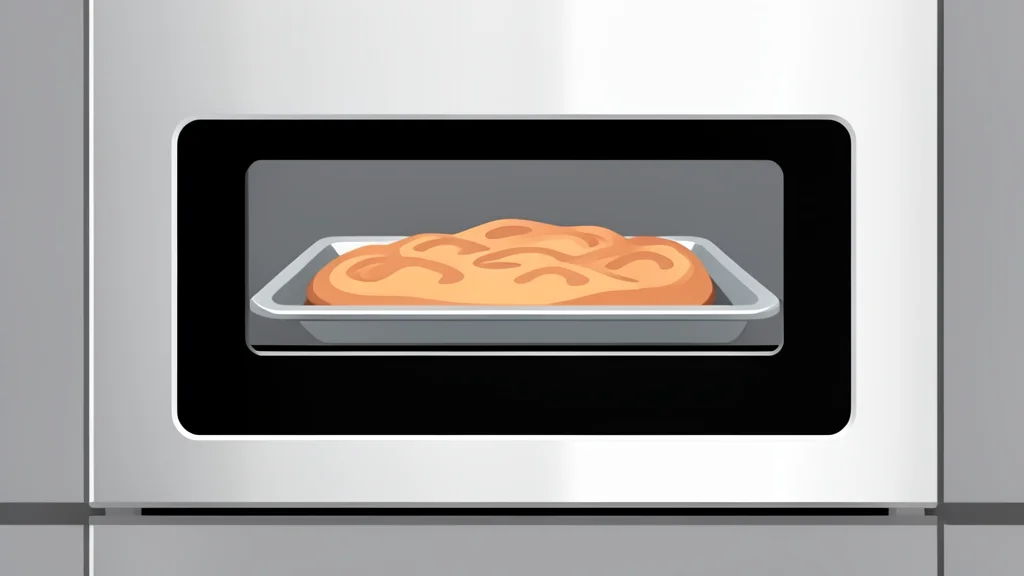
A smart oven that cooks pre-prepared meals with minimal effort is hitting the market, but it comes with specific trade-offs regarding taste and cost.
The Tovala Smart Oven promises to eliminate the guesswork of cooking by automating temperature and time for pre-prepared meal kits. It targets individuals who want restaurant-style convenience without the effort of chopping or monitoring multiple appliances. However, a recent two-week test suggests that while it simplifies dinner, it does not fully replace the quality of home cooking or high-end dining.
The device works by scanning a QR code on the food package, which triggers a specific cooking program. The oven automatically adjusts its heat and modes during the process. While this reduces user input to nearly zero, the results vary depending on the dish, with some items requiring additional manual steps to achieve the desired texture and flavor.
Automation Reduces Effort But Adds Cost
The core appeal of Tovala is convenience rather than budget savings. The base model costs $299, while the Pro version is $349. Beyond the hardware, the weekly meal kits start at $13.99 per serving, plus a $10.99 delivery fee. This makes it a premium option compared to standard grocery shopping or cheaper meal kit services like HelloFresh. Customers are paying specifically for the time saved and the reduced mental load of planning and preparing meals.
The service offers over 45 dishes per week, including steaks, pastas, and soups. Users can choose kits for one, two, or family servings and have the flexibility to pause or cancel orders. The system is designed for those who prioritize speed and simplicity over culinary creativity or cost-efficiency.
Mixed Results on Texture and Taste
During testing, the oven performed well on dishes like fried rice with shrimp, where the texture remained consistent and the flavors were rich. However, meat dishes presented challenges. Steaks often lacked a pronounced crust, requiring users to finish them in a steel pan to achieve a better sear. This extra step undermines the promise of fully automated cooking, as it reintroduces manual labor and monitoring into the process.
According to GN technics/smarthome (en-US), the appliance excels when handling items that do not require complex browning. It functions effectively as an air fryer, toaster, and reheater. The trade-off is clear: while it saves time on prep and basic cooking, it cannot fully replicate the depth of flavor or texture achieved through skilled, hands-on cooking.
Utility Extends Beyond Meal Kits
A significant advantage of the Tovala is its compatibility with standard grocery store products. The oven can scan barcodes from supported brands to select the correct cooking program automatically. For example, toasting frozen waffles requires only a scan, removing the need to guess temperature and time. This feature allows the device to serve as a general-purpose smart oven, not just a machine for specific meal kits.
Even if users stop ordering Tovala’s pre-prepared ingredients, the appliance remains useful for cooking compatible retail items. This versatility adds value to the purchase, positioning it as a functional kitchen tool rather than a single-use gadget. However, its utility is limited to products with recognized barcodes or those that fit the oven’s specific cooking profiles.