China Gifts Rare Lunar Dust to the United Nations
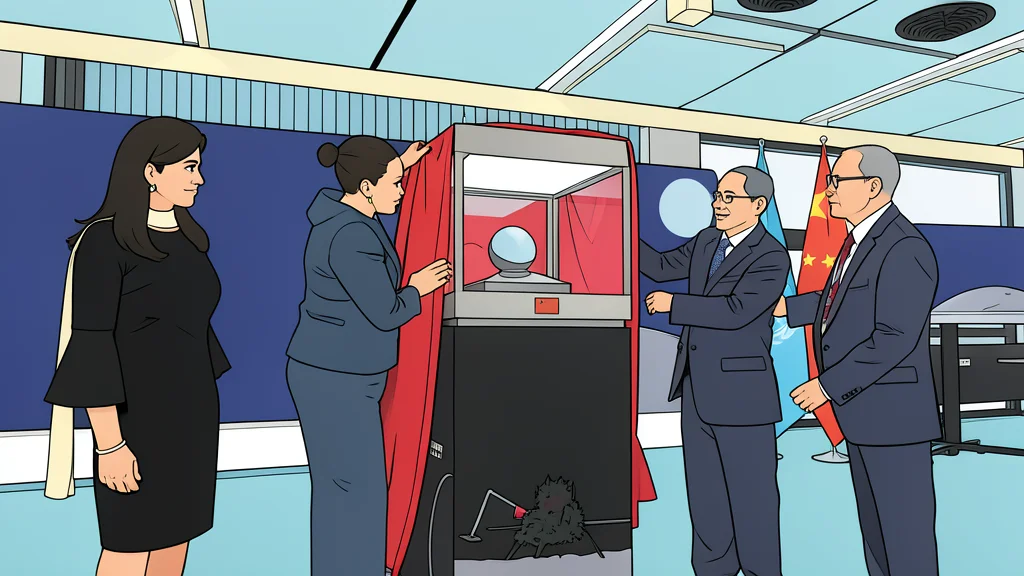
Beijing has handed over a portion of the first-ever material retrieved from the far side of the moon to the UN, aiming to foster international scientific collaboration.
China has officially presented lunar samples collected by its Chang'e 6 mission to the United Nations. The handover took place in Vienna, where the country's space agency signed an agreement to donate the material. This move is intended to support global scientific research and promote the peaceful exploration of outer space, according to the China National Space Administration.
The samples were retrieved from the far side of the moon, a region that has never been sampled before. Shan Zhongde, the head of the CNSA, described the donation as a gesture of commitment to humanity's shared space endeavors. Senior UN officials in Vienna welcomed the contribution, viewing it as evidence of China's responsibility in international space cooperation.
First material from the lunar far side
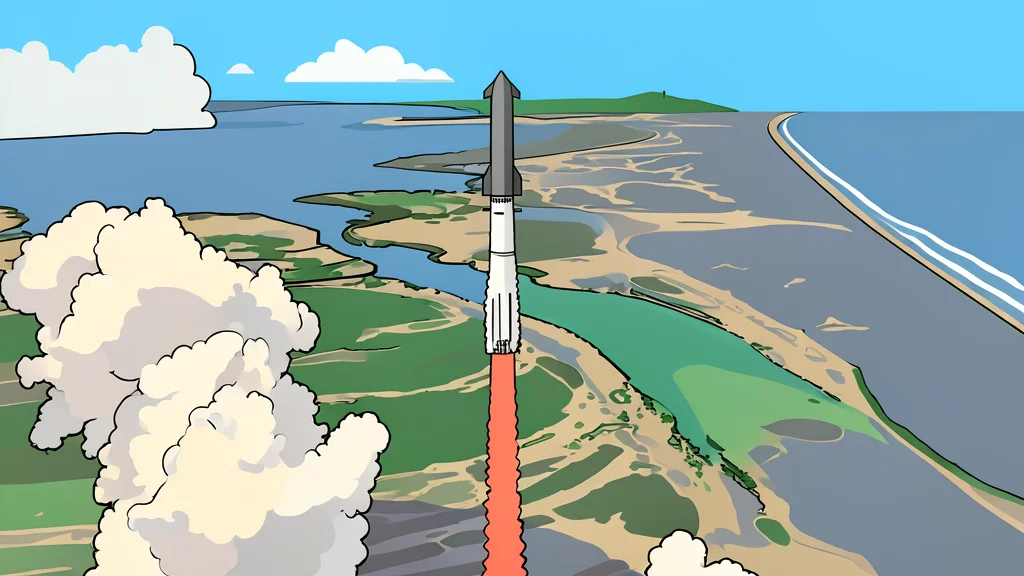
The Chang'e 6 mission, completed in the summer of 2024, was a significant technical achievement. It marked the first time in history that a robotic mission brought back physical samples from the moon's far side. The spacecraft traveled approximately 380,000 kilometers to retrieve the material, which has now been prepared for scientific analysis by international researchers.
China has conducted six robotic lunar missions to date. The donation of these specific samples is part of a broader strategy to engage with the global scientific community. By sharing this unique resource, Beijing hopes to encourage joint research projects and data sharing among nations, moving beyond purely nationalistic space goals.
Diplomatic gesture in Vienna
The ceremony in Vienna was attended by senior officials from both the Chinese space agency and the United Nations. Monica Juma, director-general of the UN Office at Vienna, noted that China's space achievements have drawn worldwide attention. She emphasized that the donation demonstrates China's commitment to the central role of the UN in coordinating global efforts, even as the organization faces various challenges.
Shan Zhongde stated that the donation is linked to China's broader goal of building a community with a shared future. He highlighted that China has already deepened space cooperation with over 50 countries through satellite development and data sharing. The CNSA expressed readiness to work with all parties to create fairer rules for outer-space governance.
Implications for global space science
For scientists, access to these samples offers a rare opportunity to study the geological history of the lunar far side. The material provides a physical baseline for comparing with other lunar data, potentially uncovering new insights into the moon's formation. As reported by GN technics/space (en-US), this donation is seen as a concrete step toward more inclusive international space activities.
However, the donation also comes with diplomatic considerations. While it promotes cooperation, it also highlights the growing influence of non-traditional space powers. The trade-off is that while scientific access increases, the political dynamics of space governance become more complex. The UN aims to ensure that such resources are used for the benefit of all humanity, not just specific geopolitical interests.