Tennessee Woman Sues over False AI-Based Arrest
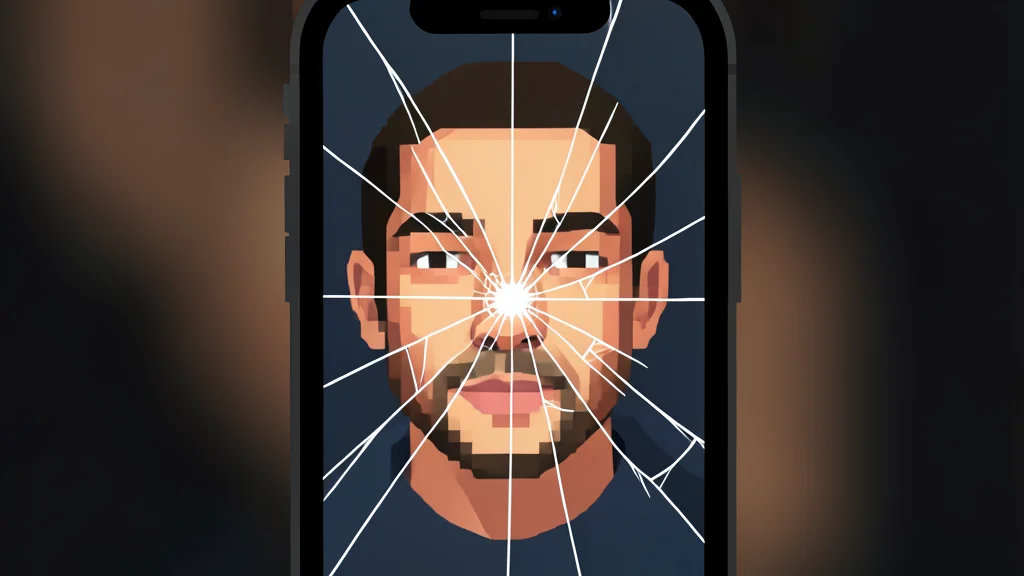
Angela Lipps was jailed for six months based on a facial recognition match. Her lawsuit seeks $10 million to hold Fargo police accountable.
Angela Lipps, a 50-year-old mother from Tennessee, spent six months in jail based on a mistake made by an automated system. She was arrested at gunpoint in her home while babysitting, charged with bank theft in North Dakota, and held without bail for nearly four months before extradition. The lawsuit filed in federal court argues that police relied too heavily on facial recognition software to identify her as a suspect.
After her lawyer proved she was in Tennessee during the alleged crime, the charges were dropped. Lipps was released on Christmas Eve into freezing weather with no means to return home. She has now sued the city of Fargo and a detective for $10 million, claiming the error caused severe personal and financial damage.
The flawed identification process
According to the complaint, a Fargo police investigator used AI facial recognition to analyze surveillance footage of a female suspect using a fake ID. The system returned a social media photo of Lipps as a potential match. The lawsuit alleges that the detective accepted this digital suggestion as probable cause without conducting a thorough investigation or verifying her location.
The core issue is the gap between a software match and human verification. The complaint states that Lipps did not resemble the suspect in the video and had never traveled to North Dakota before this arrest. Critics of such systems often point to this trade-off: while AI can process data quickly, it lacks the context to distinguish between similar-looking individuals, especially when the source data is low-quality or distorted.
Human cost of algorithmic error
The consequences for Lipps extended far beyond the legal charge. She missed significant family milestones, including her own birthday, Thanksgiving, and Christmas. The lawsuit details that she was denied access to her medications and dentures while in custody. Upon her release, she found that she had lost her residence, her car, and her personal property.
Her attorney, Eric Rice, described the $10 million demand as a reflection of the specific harm endured. The complaint argues that the trauma of being separated from her family and the uncertainty of potential imprisonment left lasting psychological scars. The family was left to manage the fallout of an arrest that should never have occurred.
Lack of police oversight
The lawsuit asserts that the Fargo Police Department failed to provide adequate training or supervision for officers using facial recognition tools. It claims that departmental guidelines explicitly stated that AI should not be the sole basis for extradition or charging. Despite these rules, the complaint alleges that officials ignored the known risks of false positives.
A spokesperson for the city declined to comment on the pending litigation. However, the case highlights a growing legal challenge for law enforcement agencies. As reported by GN technics/ai (en-US), the incident underscores the need for clear protocols that treat algorithmic outputs as leads rather than facts. The court will now decide whether the department’s reliance on this technology constituted a violation of Lipps’ rights.