Musk Supervises AI Buildout from Memphis Trailer
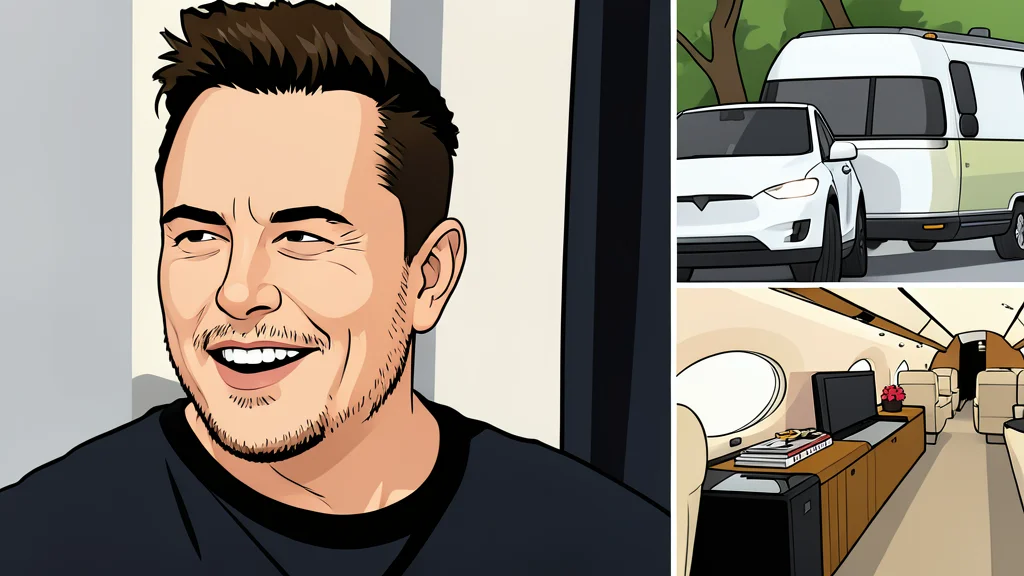
Elon Musk is sleeping in a travel trailer near a major AI facility to oversee critical infrastructure expansion, a move that highlights the intense, on-site nature of modern tech development.
Elon Musk has chosen to reside in a silver Airstream trailer located directly adjacent to a large industrial facility in Memphis, Tennessee. This temporary living arrangement is designed to place him within steps of the server rooms powering the expansion of xAI’s data center infrastructure. The setup allows for immediate oversight of the rapid construction work required to bring additional computing capacity online for the project known as Macrohard.
This hands-on approach aligns with a pattern seen throughout Musk’s career, where he has frequently slept at his workplaces during critical operational pushes. During a recent appearance on the All-In podcast, he referred to the trailer as a "palace," emphasizing his preference for being physically present where the most intense engineering work is happening. This strategy prioritizes speed and direct communication over traditional executive separation from the workforce.
Infrastructure Expansion Drives Demand
The Memphis site is part of a broader infrastructure push by xAI, which was absorbed by SpaceX earlier this year. The goal is to significantly increase GPU capacity to support the Grok artificial intelligence model. This expansion builds on the Colossus facility, which was constructed in record time in 2024 and currently supplies excess computing power to other major technology firms, including Google and Anthropic.
Plans are already underway for further growth, with a fourth local data center designated as Minihard scheduled for development. The sheer scale of these projects requires constant monitoring and rapid problem-solving, which is why leadership prefers to be on-site rather than managing remotely. The proximity to the hardware allows for immediate adjustments to the cooling systems and power distribution that are critical for maintaining high-performance computing environments.
A History of On-Site Work
Musk’s current living situation is not an isolated incident but rather a continuation of a long-standing professional habit. In the mid-1990s, he slept in a Palo Alto office while launching Zip2, and later slept beneath his desk during the early days of X.com in 1999. More recently, he spent time on the factory floor in Fremont during Tesla’s Model 3 production ramp in 2017 and 2018.
After acquiring Twitter in 2022, he utilized a library couch at the company’s San Francisco headquarters, converting conference rooms into sleeping spaces during the platform’s transition period. This consistent pattern suggests a management style that values immersion in the operational details of a product or service launch, often at the expense of personal comfort and privacy.
Trade-Offs of Temporary Housing
This approach comes with significant trade-offs. While it maximizes operational efficiency and response time, it demands a high personal toll on the individual leading the project. Since selling his residential real estate portfolio in California in 2020, Musk has maintained a minimalist living situation, including a rented property near Starbase, Texas, and a small prefab structure.
For the broader tech industry, this model highlights the intense pressure to scale AI infrastructure quickly. The reliance on such dedicated, albeit temporary, housing arrangements underscores the race to build the physical backbone of artificial intelligence. As the industry expands, the line between work and personal life continues to blur for those at the forefront of these technological developments.