Utah Officials Weigh AI Risks Against Innovation Goals

State leaders are debating how much regulation is needed for artificial intelligence, balancing safety concerns with the fear of stifling technological progress.
Utah lawmakers recently convened to discuss the potential dangers of rapidly advancing artificial intelligence, but the conversation did not result in a call for extreme preparedness. Zach Boyd, who heads the state's Office of Artificial Intelligence Policy, told the committee that while AI capabilities are growing quickly, they have not yet reached a level that poses an immediate threat to human existence. He explicitly advised against the state adopting a formal plan to handle extinction-level scenarios, arguing that such a response is premature given the current state of the technology.
The discussion highlights a broader tension in AI governance: the need to monitor emerging risks without imposing regulations that could hinder innovation. While some lawmakers expressed concern over reported cyberattacks involving AI agents, Boyd emphasized that the full scope of these incidents remains unclear. He suggested that transparency and whistleblower protections are more practical steps than dramatic contingency planning, a stance that aligns with calls from Governor Spencer Cox for federal action rather than drastic state-level overreach.
Existential risks remain theoretical
Boyd acknowledged that super-intelligent AI could theoretically pose serious dangers, but he noted that no one currently knows how to prepare for outcomes that far in the future. He pointed out that recent hacking incidents involved cutting-edge models that are not widely available to the public, suggesting that the general population is not currently at risk from rogue AI agents. This perspective contrasts with the alarm raised by some industry leaders, but Boyd maintained that monitoring the issue closely is the most prudent course of action at this stage.
Lawmakers debate regulatory balance
Not all legislators were convinced that the current approach was sufficient. Representative Ken Ivory questioned why the state was not more concerned about the existential stakes described in various media reports. He urged Boyd to clarify what concrete steps should be taken to mitigate risk, expressing discomfort with the notion that no immediate action is required. This exchange underscored the difficulty policymakers face in interpreting technical warnings and translating them into actionable legislation.
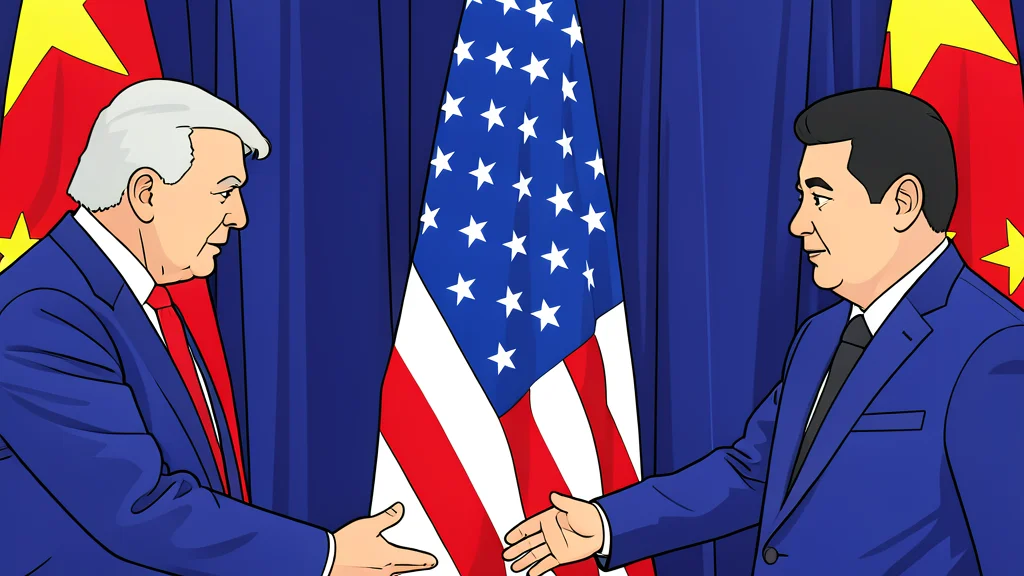
On the other side of the aisle, Senator Dan McCay voiced skepticism about the effectiveness of government intervention. He warned that excessive oversight could cause American laboratories to fall behind their Chinese counterparts in the global race to develop AI. McCay argued that existing legal frameworks already hold companies accountable for harm caused by their technology, suggesting that additional regulations might do more harm than good by creating bureaucratic burdens.
Transparency over heavy regulation
In lieu of strict bans or emergency plans, Boyd recommended focusing on transparency measures. He proposed requiring companies to report their AI capabilities and providing stronger protections for whistleblowers who might reveal dangerous incidents. Utah already operates a regulatory sandbox established in 2024, which allows companies to test new AI products under state supervision. This approach aims to foster innovation while maintaining a level of accountability, a strategy that Boyd believes is more effective than reactive emergency planning.
As the legislative session concludes, lawmakers have several months to consider any additional state legislation before the next session begins in January. The debate in Utah serves as a microcosm of the national conversation on AI governance, where the stakes are high but the solutions remain debated. For now, the state will continue to monitor the situation closely, relying on existing oversight mechanisms and voluntary industry reporting rather than imposing new, heavy-handed regulations.