Assam and Nagaland Border Dispute Faces Diplomatic Stalemate

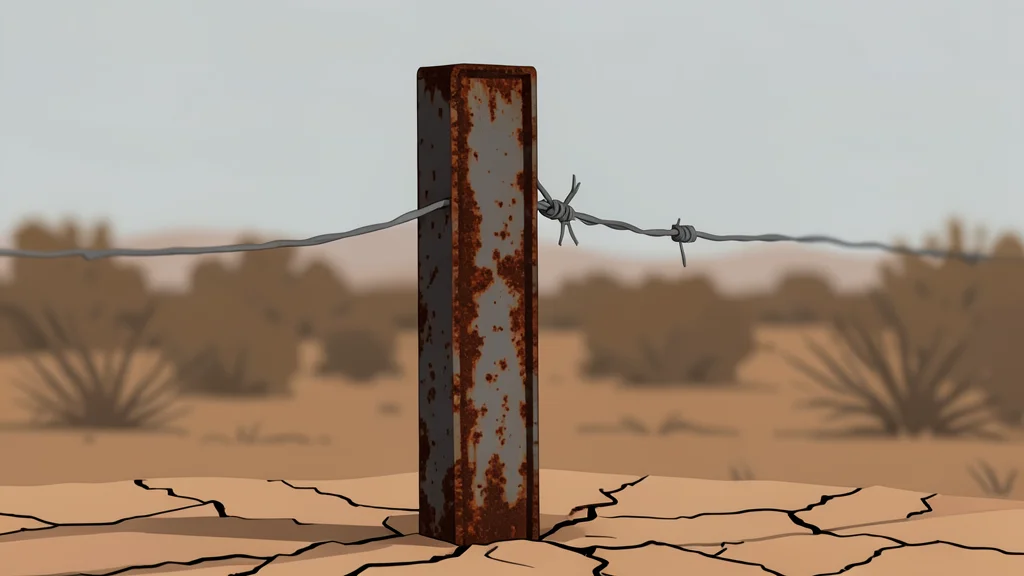
Recent diplomatic gestures between Assam and Nagaland have failed to resolve the decades-old border conflict, leaving villagers in the Disputed Area Belt without tangible security or progress.
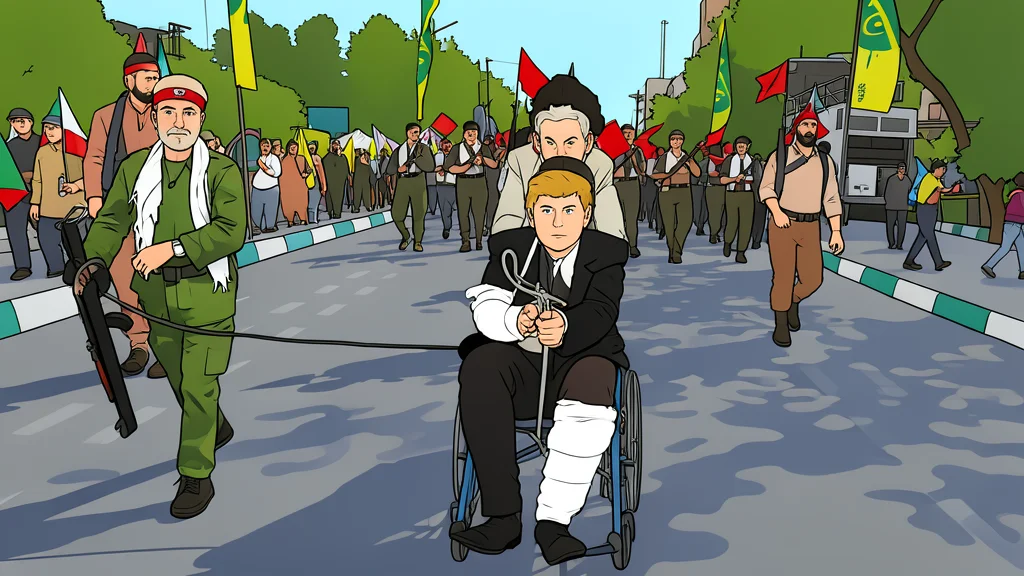
A recurring pattern of ceremonial unity has characterized the long-standing border dispute between Assam and Nagaland, yet recent efforts to signal reconciliation have not translated into substantive progress. On September 19, legislators from both states signed a joint statement advocating for peace and the creation of a coordination committee, a move that observers describe as a necessary but insufficient step in a conflict rooted in deep-seated mutual distrust.
According to MorungExpress, the latest diplomatic overture included proposals for a friendship summit and ceremonial tree planting in the Disputed Area Belt. While these gestures align with diplomatic norms, the underlying issue remains the lack of confidence between the two entities. The core of the dispute, which dates back to Nagaland’s statehood in 1963, is not merely a matter of political will but a structural failure to address the security concerns of the communities living in the contested zones.
Symbolic gestures lack practical security impact
The visibility of political handshakes and cultural exchanges often masks the stagnation on the ground. For residents in the border regions, the absence of a reliable security framework means that peace remains abstract. The joint statement signed by local representatives checks the boxes of diplomatic protocol, but it does not address the daily realities of life in the Disputed Area Belt, where tensions persist despite high-level agreements.
Building genuine trust requires more than periodic displays of camaraderie. It demands a sustained effort to dismantle the misunderstandings that have hardened into entrenched positions. Without a mechanism that ensures tangible safety and cooperation, the declarations of friendship risk becoming hollow rituals that fail to alter the status quo for the people most affected by the conflict.
Stalemate in legal and territorial claims
The deadlock is further complicated by divergent approaches to resolution. One side seeks a definitive ruling by the Supreme Court, while the other prefers an out-of-court settlement. This divergence has allowed both states to maintain rigid positions, each claiming the entire disputed territory. The result is a gridlock where neither side is willing to make the concessions necessary for a compromise, leaving the region in a state of perpetual uncertainty.
Analysts suggest that a viable path forward requires a sober assessment of the realities on the ground. The expectation that one party must capitulate to the demands of the other is viewed as a barrier to peace. Instead, a focus on implementable options and honest compromise, backed by genuine consensus, is seen as the only way to break the cycle of stalemate and unilateral actions.
Requirements for meaningful border cooperation
To move beyond superficial gestures, concrete steps are required. This includes the withdrawal of heavy policing presence and a halt to unilateral resource exploration in the disputed areas until a joint mechanism is fully agreed upon. Such measures would serve as a foundation for the proposed coordination committee to function effectively, allowing it to focus on building trust rather than managing immediate conflicts.
The scope of any future coordination body must also be expanded to cover the entire Disputed Area Belt, ensuring that all stakeholders are included in the process. Until both states commit to these practical measures and move beyond symbolic diplomacy, the dispute is likely to remain unresolved, continuing to affect the lives of those living in the shadow of a conflict that has persisted for over six decades.