Unitree Listing Signals Shift to Industrial Composite Materials
Unitree's upcoming stock market debut is more than a corporate event. It marks a critical transition for Chinese robotics from experimental prototypes to scalable industrial products, placing new demands on material suppliers.
Unitree Robotics is preparing for its listing on Shanghai’s STAR Market in August 2026, a move that analysts say will accelerate the adoption of advanced composite materials in China. According to GN auto tech/robotics reports, the company’s expansion into mass production requires a supply chain capable of delivering consistent, high-performance parts rather than just custom prototypes. This shift places significant pressure on manufacturers of carbon fiber, engineering plastics, and bonding systems to meet industrial standards for durability and cost efficiency.
The transition from lab demonstrations to regular production creates a distinct set of challenges. While early robots could rely on small-batch machining and bespoke components, scalable models must prioritize sourcing reliability, assembly speed, and repairability. Suppliers who can provide lightweight yet robust materials in large volumes are now becoming key players. The catch is that these materials must not only perform well in demonstrations but also withstand the rigors of repetitive industrial processes and logistics.
China Dominates Humanoid Robot Installations
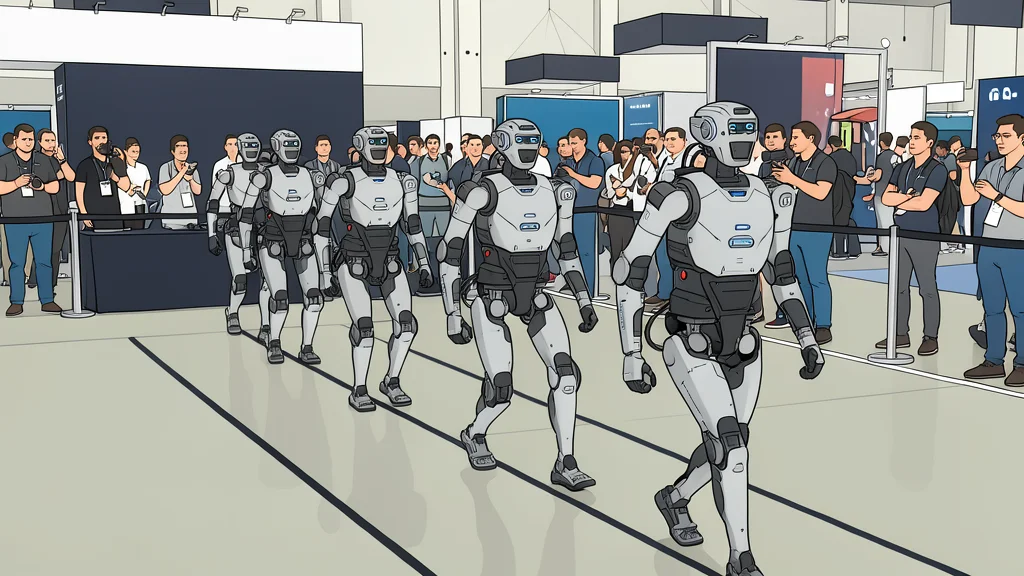
China has established itself as the global leader in humanoid robotics, with recent data indicating that Chinese firms account for more than 80 percent of global installations in 2025. Industry rankings place companies like Unitree, Fourier, and AgiBot in the top five dedicated humanoid robotics start-ups worldwide. This concentration of market share means that the material requirements of these Chinese platforms will largely define the global standard for robotic manufacturing. The ecosystem has expanded beyond hardware developers to include battery providers, software firms, and precision component makers.
As the sector matures, the focus is shifting from pure technical performance to practical manufacturability. The rapid growth of the Chinese robotics ecosystem is creating a demand for materials that balance strength, weight, and cost. This trend is likely to extend beyond robotics, influencing supply chains in electronics, mobility, and logistics. Companies that can integrate advanced polymers and composites into standard industrial workflows will be best positioned to benefit from this expansion.
GD01 Highlights Material Engineering Needs
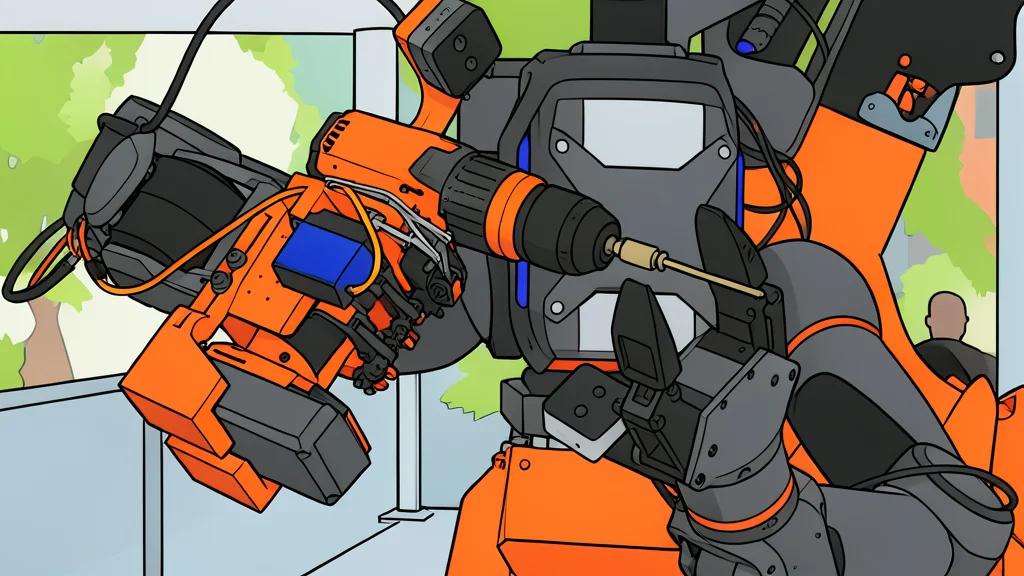
The launch of Unitree’s GD01 in May 2026 has brought specific attention to advanced materials. Described as a mass-produced manned transforming mecha, the machine stands nearly 2.7 meters tall and weighs approximately half a ton. Its design relies heavily on carbon fiber and advanced polymers to achieve the necessary strength-to-weight ratio for its electric actuation system. The machine’s ability to switch between bipedal and quadrupedal modes requires components that are both durable and lightweight, signaling a broader industry trend toward using composites for structural integrity.
Supply Chains Face New Demands
The upcoming listing serves as a catalyst for suppliers who must now meet stricter performance and reliability standards. The trade-off for manufacturers is clear: while prototype robots can utilize expensive, custom-machined parts, production units require materials that are available in consistent volumes and manageable through automated processing. Suppliers of prepregs, precision-molded parts, and bonding systems are seeing increased interest as the industry scales. The ability to provide production-ready parts that maintain quality across multiple repeat orders is now a critical competitive advantage.