California Homes Could Be Paid to Stabilize the Power Grid
A new bill would let residents earn money by using existing home batteries and electric vehicles to manage peak electricity demand, potentially reducing the need for expensive new infrastructure.
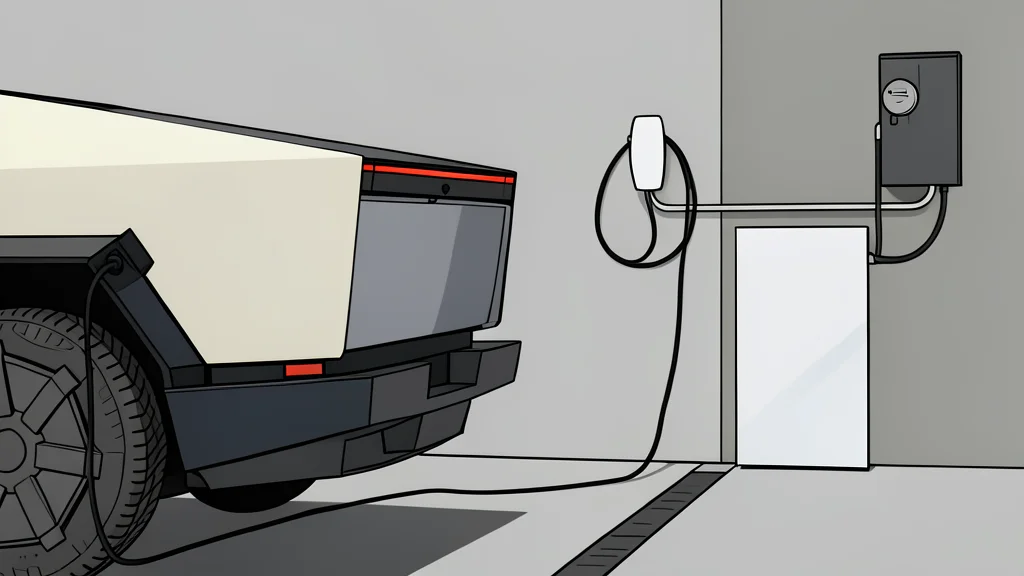
Households in California with electric vehicles, home batteries, or smart thermostats may soon receive payment for helping stabilize the state's power grid. A bill that recently cleared the state legislature aims to transform these residential devices from simple consumers into active participants in energy management. The primary goal is to leverage technology already installed in millions of homes to handle short periods of high electricity demand, rather than relying solely on costly new grid infrastructure.
The measure, known as Senate Bill 913, is now awaiting a decision from the governor. If signed into law, it would create clearer financial incentives for residents to export electricity back to the grid. This approach is designed to address rising utility bills by making better use of existing resources during peak hours, a strategy that has garnered support from lawmakers across party lines who view it as a way to improve reliability while keeping costs down for families.
Leveraging existing home technology
Proponents of the bill argue that California is facing a steep rise in electricity needs, with projections indicating a 61% increase in statewide demand over the next two decades. Senator Josh Becker, the bill's author, suggests that the state should utilize technology already present in homes to meet these peaks. His office notes that Californians are adding roughly 8,000 home batteries each month, representing a significant amount of available capacity that is currently underutilized in grid stability efforts.
By allowing these devices to compete with conventional power sources, the bill seeks to lower the overall cost of maintaining the grid. Utility bills are heavily influenced by the expenses associated with building and maintaining infrastructure. Using distributed energy resources can limit the need for massive utility outlays, which totaled about $1.3 trillion between 2015 and 2024, with another $1.1 trillion projected for the next five years.
Concerns over device reliability
Despite the potential cost savings, the proposal has faced opposition from groups concerned about reliability. The Coalition of California Utility Employees argued that there is no guarantee that smart thermostats and other home devices will provide sufficient electrical resources when needed. They contend that third-party control of these devices is difficult to manage and that imposing penalties for non-delivery of capacity is an insufficient solution to ensure grid stability.
The core of the legislative effort is to remove regulatory obstacles that currently prevent home devices from participating fully in grid programs. While the bill aims to streamline this process, critics warn that the variable nature of consumer behavior and third-party app controls could lead to inconsistent performance. This trade-off between cost efficiency and guaranteed reliability remains a central point of debate among stakeholders.
Financial incentives for residents
Under the proposed framework, residents would be able to earn revenue for electricity exported from their homes back to the grid. This creates a direct financial incentive for households with qualifying equipment to participate in demand-response programs. As reported by GN auto tech/ev, this shift could turn everyday energy management into a source of income, helping to offset the initial cost of purchasing electric vehicles and battery storage systems.
Supporters, including Senator Tony Strickland, believe this approach will improve grid reliability by making better use of existing investments. By putting clean energy resources to work, the state can potentially reduce the strain on the grid during critical hours. This strategy is part of a broader national trend where lawmakers and utilities are exploring ways to keep power affordable as demand continues to climb across the country.