Electreon Introduces Above-Ground Wireless Charging Pads for EVs
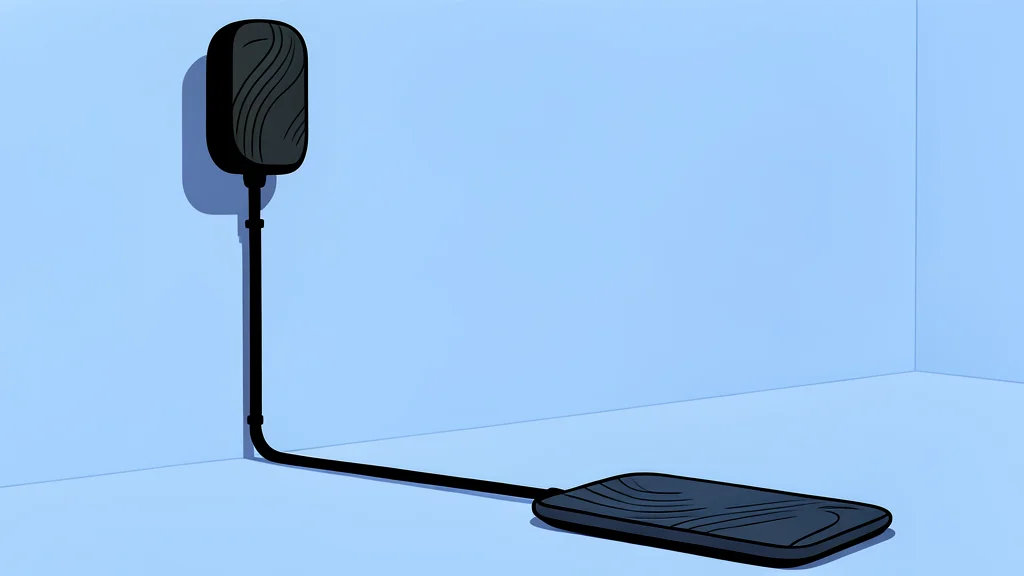
Electreon has unveiled a new wireless charging system that eliminates the need for cables by detecting vehicles automatically. The technology aims to simplify daily charging for private drivers and commercial fleets alike.
Electreon has introduced a stationary wireless charging solution called Lite DOT, designed to make refueling an electric vehicle as effortless as parking it. The system was first shown to the public at IAA Transportation 2026 in Hannover. Unlike previous concepts that often required deep excavation into pavement, this new approach uses an above-ground pad that sits directly on the parking surface. This design significantly reduces the complexity of installation, allowing existing parking spaces to be converted with minimal site preparation.
The core benefit for users is the elimination of manual handling. Drivers no longer need to retrieve a heavy cable, connect a plug, or manage the connector after charging is complete. Once a compatible vehicle is positioned over the pad, the system identifies the car and begins transferring energy automatically. This process is designed to work in various weather conditions, operating reliably in rain and snow within a temperature range of minus 30 to 50 degrees Celsius. The solution targets passenger cars, light commercial vehicles, and autonomous vehicles, aiming to integrate seamlessly into daily routines.
Fleet operators gain from reduced maintenance
Commercial fleet managers are a primary target for this technology because it addresses common operational pain points. Traditional charging involves repeated physical handling of cables and connectors, which are prone to dirt accumulation, weather damage, and wear over time. By removing the need for manual plug-in, Lite DOT reduces the frequency of maintenance required for charging infrastructure. Vehicles can recharge during standard parking periods at depots or delivery hubs without requiring drivers to perform extra tasks, streamlining daily operations.
According to Dr. Andreas Wendt, Managing Director of Electreon Germany, fleet operators require flexible and scalable charging concepts that integrate easily into their sites. The wireless approach allows for scalable deployment without the labor-intensive work of embedding equipment underground. This flexibility is particularly useful for companies that need to adapt their charging infrastructure quickly as their vehicle fleets grow or change, providing a more durable and low-maintenance alternative to cable-based systems.
Installation avoids deep excavation requirements
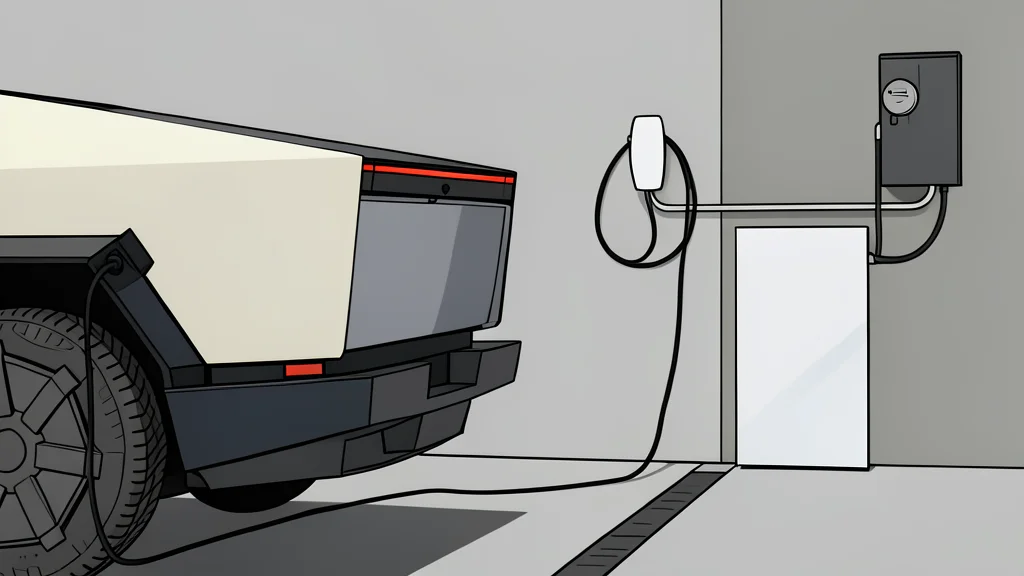
A key technical distinction of Lite DOT is its installation method. Most existing wireless charging solutions require significant excavation to embed the charging coil into the concrete or asphalt. In contrast, the Lite DOT pad rests on the surface of the parking space. The associated control unit can be mounted on a garage wall or on a pole outdoors. This above-ground setup allows for faster deployment and lower initial costs, making it more accessible for existing parking facilities that lack the infrastructure for embedded systems.
Power output matches typical home chargers
The system delivers up to 11 kilowatts of power, a capacity that aligns with standard home charging installations. While this is slower than high-speed public fast chargers, it is well-suited for locations where vehicles are parked for extended periods, such as homes, offices, or depots. The technology is part of a broader strategy by Electreon to make wireless charging a standard part of the electric vehicle ecosystem. As noted in reports from GN auto tech/ev, the company is positioning this technology as a foundational element for the future of electric mobility, particularly as autonomous driving capabilities expand and manual interaction with vehicles decreases.