Tesla Links Cybertruck and Powerwall for Home Backup
A new software update removes a costly hardware barrier, allowing Cybertruck owners to use their vehicle battery to power homes during grid outages without extra equipment.
Tesla has officially enabled vehicle-to-home energy sharing between its Cybertruck and residential Powerwall batteries. This update resolves a long-standing incompatibility that previously forced owners to buy additional hardware to use their car's battery for home backup. The feature now works natively through the existing Powerwall system, streamlining the setup process for households already invested in the Tesla energy ecosystem.
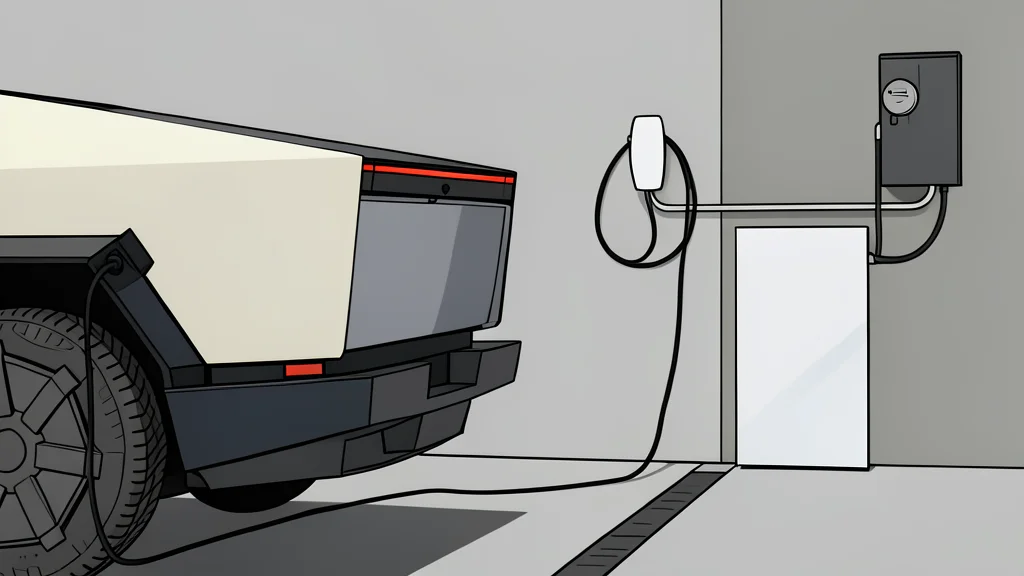
The capability arrives via software update 2026.27.10, which introduces automatic communication between the vehicle and the battery storage unit. As reported by GN auto tech/ev: electric vehicle, this integration allows the Cybertruck to discharge its battery into the home grid when the main power supply fails. The system requires the vehicle to be parked and plugged in, but it operates without manual intervention once enabled in the car's settings.
Simplifying Home Backup Hardware
Previously, homeowners with Powerwall systems could not directly integrate their Cybertruck due to conflicting hardware requirements. Owners had to install a separate Powershare Gateway, a device that cost thousands of dollars and required professional installation. This new software update eliminates that requirement by leveraging the existing Powerwall gateway to handle grid isolation. This change saves customers significant costs on hardware and labor, making the backup solution more accessible for a wider range of users.
The update also enables the Cybertruck to recharge the Powerwall directly, creating a two-way energy flow. This flexibility allows homeowners to manage their energy storage more dynamically, using the vehicle battery as a supplement to the stationary storage unit. The integration works specifically with Powerwall 3 units at this time, though Tesla has indicated that support for older Powerwall 2+ models is expected later this year.
Extending Outage Protection Duration
The primary benefit of this integration is a substantial increase in backup duration. By combining the vehicle's large battery pack with the Powerwall, homeowners can extend their independent power supply by over three days. Tesla estimates this added capacity is equivalent to the output of nine additional Powerwall units. This extension provides a significant safety margin for households facing prolonged grid failures, ensuring essential appliances and heating systems remain operational.
Current Limitations and Requirements
Despite the improvements, the feature has specific constraints. It is currently limited to Cybertruck owners who have a Powerwall 3 installed. The system requires a compatible Tesla Universal Wall Connector or Wall Connector 3 to facilitate the energy transfer. Additionally, the vehicle must be parked with a battery level above the user-defined discharge limit before it will begin sharing power. These conditions ensure the vehicle retains enough charge for mobility while still providing robust home backup.