China Shifts Smart Home Focus to Whole-Home Ecosystems
Beijing has launched a new strategy to move smart home adoption from single gadgets to integrated living systems, backed by significant state funding.
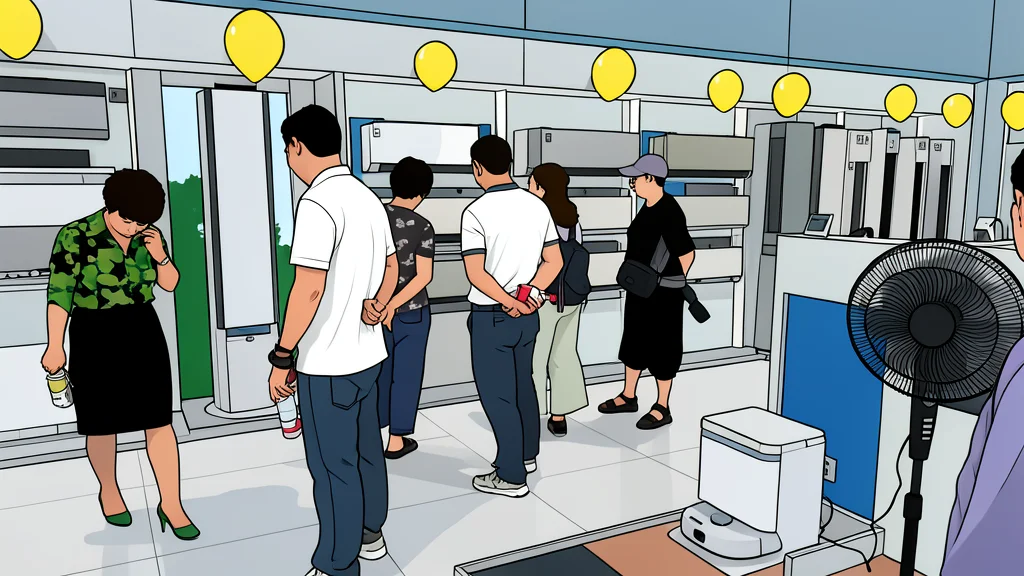
China is shifting its smart home strategy away from selling isolated appliances toward creating fully connected household ecosystems. This change aims to address the fragmentation that has long plagued the sector, where devices from different manufacturers often fail to communicate effectively. The new approach treats the home as a single, coordinated unit rather than a collection of standalone tools.
A joint action plan issued by eight government departments, including the Ministry of Commerce, outlines this transition. It emphasizes expanding high-quality supply and supporting renovations for older homes, particularly for elderly residents. The initiative is supported by a substantial financial commitment, with 250 billion yuan allocated through special treasury bonds to drive nationwide adoption and infrastructure development.
Unified standards replace device silos
The core challenge in current smart home setups is interoperability. Many consumers own devices that work well individually but poorly together, creating a fragmented user experience. The new plan addresses this by accelerating the creation of mandatory national standards for connectivity. This regulatory push is designed to ensure that lights, air conditioners, and security systems from various brands can work seamlessly within a single network.
According to GN technics/smarthome (en-US), this shift reflects a broader consumer demand for holistic lifestyle upgrades rather than simple product replacements. The strategy moves from passive, reactive automation to proactive intelligence. By enforcing common protocols, the government aims to reduce the technical friction that has slowed down the widespread adoption of complex home systems.
Subsidies drive mass market adoption
Financial incentives play a central role in this rollout. Local authorities are encouraged to design subsidy programs based on the 2026 consumer goods trade-in policy. These subsidies are intended to lower the upfront cost barrier for households upgrading to smart systems. The flexibility given to local governments allows them to tailor support to regional economic conditions and specific product categories.
The scale of the effort is significant, with the trade-in programs already generating over one trillion yuan in sales in the first half of 2026. This economic stimulus supports not just the purchase of new hardware, but also the renovation of existing spaces. By combining new product delivery with the recycling of old appliances, the plan creates a closed-loop system that supports both consumption and environmental goals.
Accessibility and aging population focus
A specific priority of the plan is making smart technology accessible to older residents. As China’s population ages, there is a growing need for home systems that support independent living. The strategy calls for the development of elderly-friendly products and services, such as voice-controlled interfaces that do not require complex app navigation. This ensures that the benefits of automation are not limited to tech-savvy younger demographics.
Community-level services will also expand to support these changes. The plan encourages the establishment of home renovation service stations that offer maintenance, storage, and recycling services. This infrastructure helps demystify smart home technology for those who may find the installation and management of complex systems overwhelming. By providing local support, the government aims to build confidence in adopting these technologies across all age groups.