Philippine EV Sales Reach 25 Percent of Total Vehicle Market
The Department of Energy reports that electric vehicles now make up nearly a quarter of all cars sold in the country, driven largely by hybrid models.
More than 66,000 electric vehicles were sold in the Philippines in 2026, according to data released by the Department of Energy. This figure represents 24.68% of the 270,124 total vehicle sales recorded for the year, marking a significant shift in consumer preference toward electrified drivetrains.
However, the surge in numbers relies heavily on plug-in hybrid vehicles rather than fully battery-electric cars. As reported by GN auto tech/ev, the majority of these sales are plug-in hybrids, which account for nearly 30% of the total, followed by standard hybrid electric vehicles at 20%. The remaining share consists of pure battery electric vehicles, indicating that the market is still in a transitional phase.
Hybrids dominate the current market share
Patrick Aquino, Director of the Energy Utilization Management Bureau, clarified that the term electric vehicle in this context includes a mix of technologies. The high proportion of hybrids suggests that drivers are still cautious about range anxiety and charging infrastructure availability. This creates a trade-off where consumers gain fuel efficiency without fully committing to the higher upfront cost and different maintenance profile of pure electric cars.
The growth is part of a broader trend, with 2025 registrations also doubling compared to 2024 levels. This steady increase suggests that while full electrification is the long-term goal, the immediate market is being captured by technology that bridges the gap between traditional combustion engines and pure battery power.
Charging infrastructure remains limited
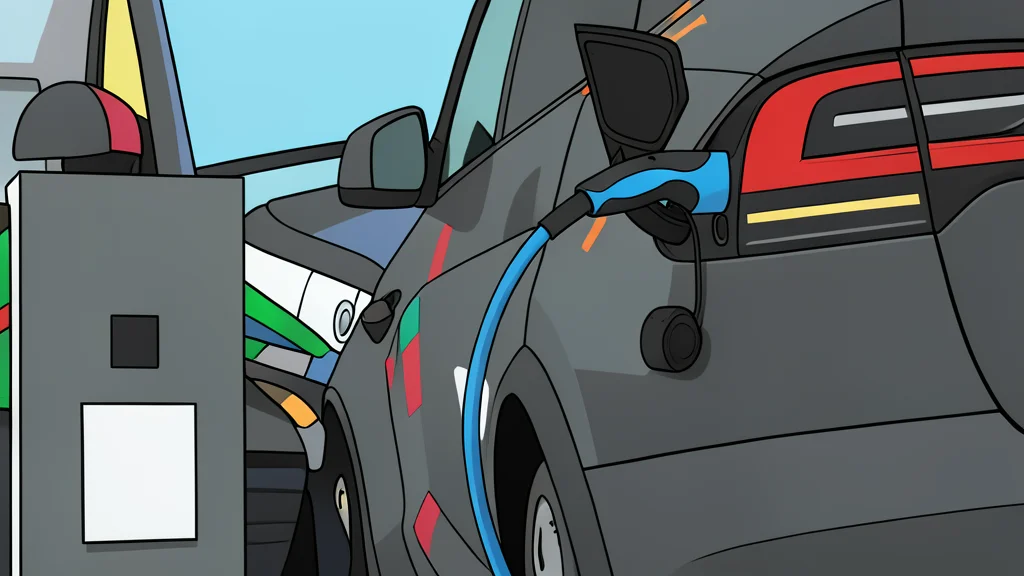
Despite the rise in sales, the charging network is still developing. The Department of Energy has logged 1,876 registered charging points nationwide, including 470 DC fast chargers and 878 AC chargers. There are also 528 battery swapping stations. While this is an improvement, the density of charging stations is still low compared to the number of vehicles on the road, particularly in rural areas.
To address this bottleneck, the government is preparing a joint memorandum circular with other agencies to streamline permitting for new charging stations. Additionally, a new department circular will mandate the installation of EV chargers in specific public and private establishments. These regulatory moves aim to reduce the bureaucratic hurdles that have slowed down infrastructure expansion, but they do not immediately solve the current shortage of accessible charging options.
Government incentives drive local production
The push for electrification is also supported by fiscal policies. President Ferdinand Marcos Jr. signed Executive Order No. 121, which provides financial incentives for the local manufacture of hybrid and battery electric vehicles, as well as their parts and components. This policy is designed to boost the domestic industry and reduce reliance on imports, though it primarily benefits manufacturers and may not lower consumer prices immediately.
The administration is also pushing for a transition to electric public transportation, aiming to modernize the fleet of buses and jeepneys. While this has long-term environmental benefits, the initial costs are significant. The success of these efforts will depend on whether the infrastructure and local manufacturing can scale quickly enough to meet the growing demand driven by the recent sales figures.