Doubao's Second-Gen Phone Faces Ecosystem Limits
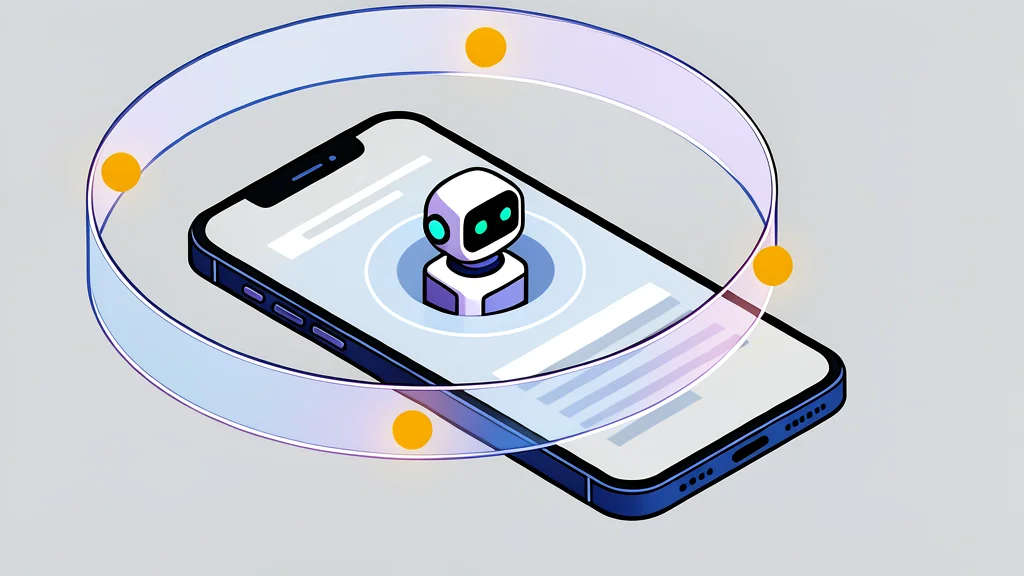
The second-generation Doubao smartphone aims to automate tasks via AI, but its success depends on permissions from other apps.
ZTE and ByteDance have unveiled the second-generation Doubao smartphone, positioning it as the world's first AI agent phone. Priced at 5,999 yuan before subsidies, the device is designed to execute complex tasks like booking flights or hailing taxis with a single command. The launch follows a mixed reception of its predecessor, which promised similar capabilities but struggled with real-world utility.
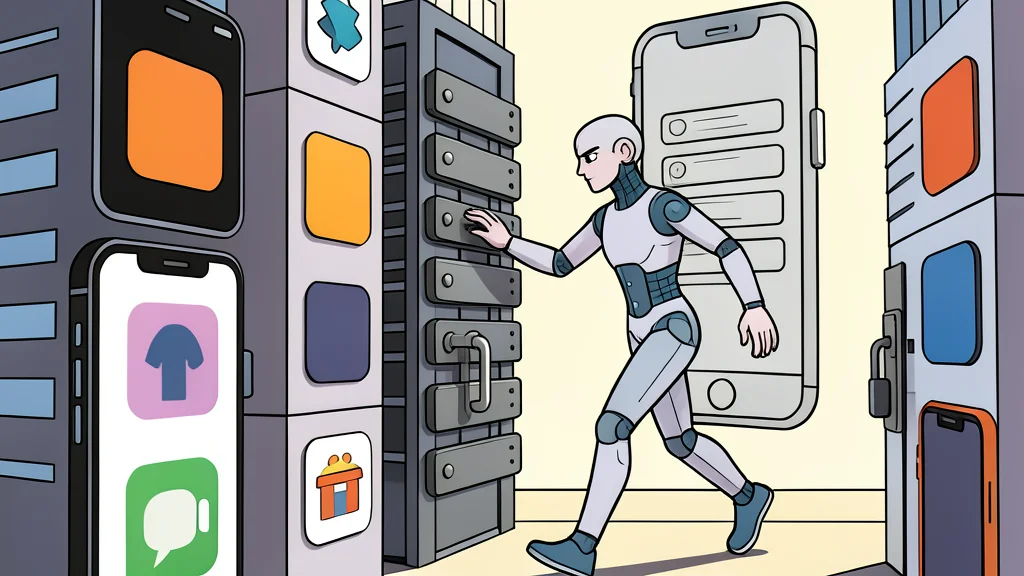
According to GN technics/mobile (en-US), the initial strategy relied on the AI simulating human clicks to navigate other applications. This approach quickly led to blocking by major platforms like WeChat and Taobao, which viewed the automation as a threat to their attention-based business models. Consequently, the new model shifts to a more cooperative framework, prioritizing official protocol calls over forced interface manipulation.
Shifting from intrusion to cooperation
The core technical change involves the AI agent's execution method. Instead of breaking into apps, the system now uses standardized protocols to request actions from other services. This "knocking on the door" approach requires third-party apps to voluntarily open their permissions. While this resolves immediate security conflicts, it limits the phone's capabilities to only those services willing to integrate with ByteDance's ecosystem.
This trade-off highlights a significant hurdle for the device. The convenience of a single command is now contingent on the openness of the broader app market. If major platforms continue to restrict access, the phone's primary differentiator remains partially locked, reducing it to a standard smartphone with a specialized AI assistant rather than a universal task executor.
Hardware additions support new workflow
To facilitate this new interaction model, the hardware includes a dedicated AI wake-up key. Located on the side of the device, this button allows users to summon the assistant directly without navigating through the standard app menu. This physical shortcut aims to reduce friction, making the agent more accessible for quick, cross-app commands compared to the first generation.
Market response remains cautious
Pre-orders on major retail platforms approached 400,000 units, indicating strong consumer interest in the concept. However, the long-term success of the device hinges on its ability to maintain these new cooperative relationships. The industry is watching to see if this model of shared control becomes a standard or if it remains a niche feature restricted to a small group of compatible applications.