Hydrogen and Batteries Split the Zero-Emission Market
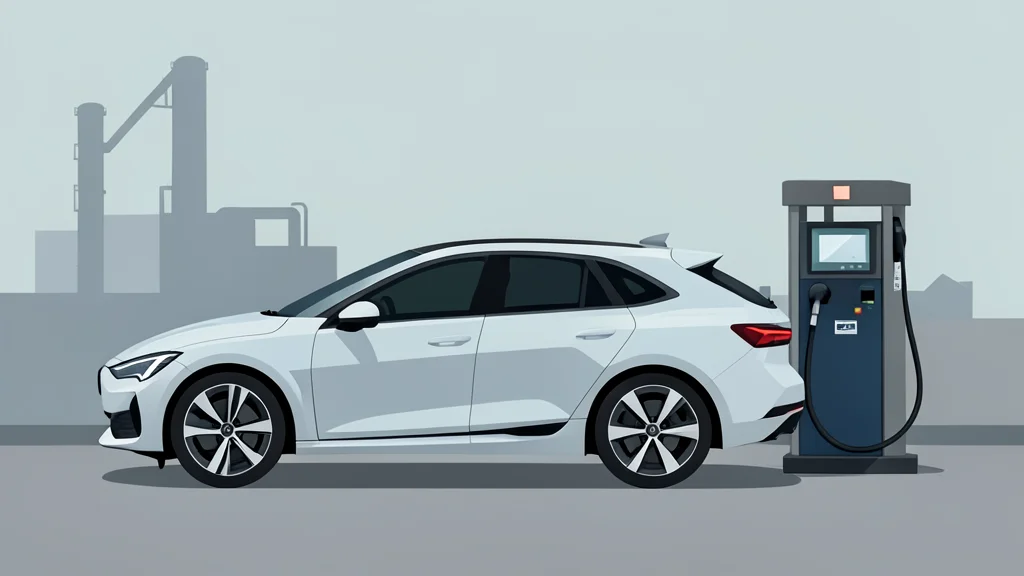
The race to decarbonize transport is not a single winner-takes-all scenario. Instead, the industry is diverging into two distinct tracks based on vehicle size and usage patterns, with each technology securing a specific niche.
For years, the automotive industry has leaned heavily toward battery electric vehicles, but hydrogen fuel cells are regaining momentum in 2026. According to GN auto tech/ev: electric vehicle, this is not a simple contest where one technology renders the other obsolete. Instead, the two are carving out separate roles based on their practical strengths and weaknesses in daily operation.
Both systems power electric motors without burning fossil fuels, but they store energy differently. A battery electric vehicle (BEV) keeps electricity in a large pack, while a hydrogen fuel cell vehicle (FCEV) carries hydrogen gas that generates electricity on the fly. The choice between them now depends less on ideology and more on the specific demands of the driving task.
Batteries Dominate Daily Passenger Commutes
For the average family car, batteries have a clear advantage. Charging networks are widespread, and home charging is convenient for most drivers who can plug in overnight. Additionally, the cost of battery components has fallen steadily, making these vehicles cheaper to manufacture and purchase. For short trips and urban driving, the infrastructure and economics simply favor the BEV.
Hydrogen Targets Heavy and Long-Distance Hauls
Hydrogen’s strongest case lies in heavy-duty and long-distance transport. Refueling a hydrogen vehicle takes only a few minutes, similar to filling a diesel tank, whereas charging large batteries requires significantly longer stops. This speed is critical for trucking fleets and buses that cannot afford hours of downtime. Automakers like Toyota and Hyundai continue to invest here, arguing that both technologies are needed for a complete zero-emission solution.
Infrastructure Gaps Remain a Major Hurdle
Despite the theoretical benefits, the real world presents challenges. The recent shutdowns of prominent hydrogen truck companies like Nikola and Hyzon serve as a stark reminder that infrastructure and costs are still prohibitive for wide adoption. While long-term studies suggest hydrogen could become cost-competitive by 2060, this shift relies heavily on falling hydrogen prices and supportive government policies. For now, the market remains split, with batteries winning the daily commute and hydrogen fighting for the open road.