China's Manufacturing Edge Reshapes the Global Robot Race
A tiny robot duck priced under four hundred dollars has become a global sensation, but its popularity highlights a deeper shift in how artificial intelligence is being built and deployed.
The Microduck, a small robotic bird that waddles and carries objects with its beak, sold ten thousand units within days of its launch. Although developed by a French company and part of a New York-based platform, the device relies heavily on Chinese technology. It runs on a chip from Rockchip and is manufactured by Seeed Studio in Shenzhen. This mix of international design and Chinese production illustrates the growing influence of China’s industrial base in the emerging field of embodied AI.
Embodied AI refers to systems that can perceive their surroundings, reason about actions, and physically interact with the world. This differs from earlier forms of artificial intelligence that primarily generated text or images. As the industry shifts focus toward robots that can perform tasks in factories and homes, the competitive landscape is changing. China is positioning its vast manufacturing capabilities and dense supply chains as key advantages in this new phase of technological development.
Supply chains drive robotic capability
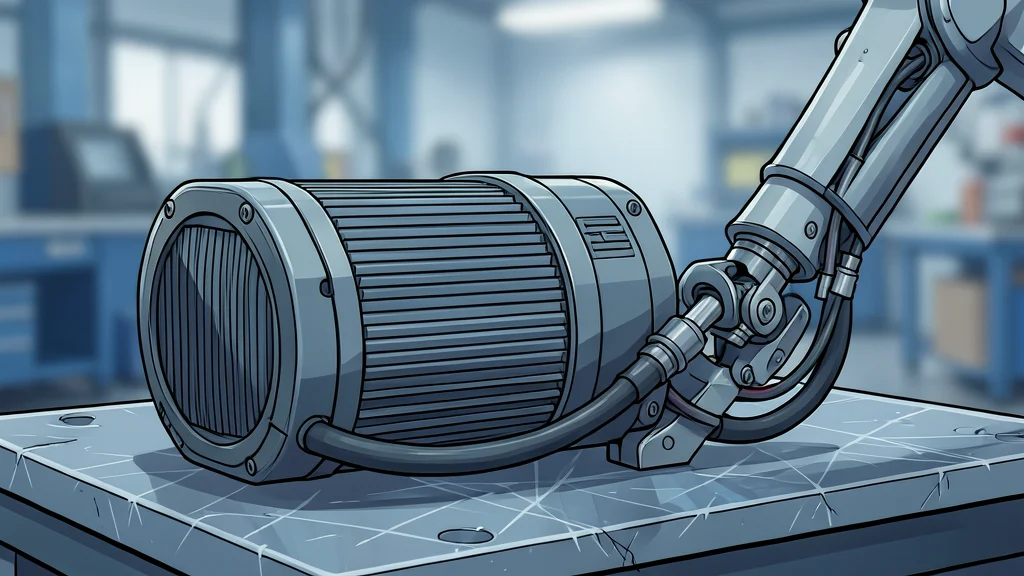
Building a functional robot requires more than just advanced software. It demands a complex array of physical components, including motors, sensors, batteries, and precision-machined joints. These parts must work together reliably and cost-effectively. China has spent decades building supply chains for electronics and electric vehicles, creating a foundation that can be easily adapted for robotics. Components originally designed for smartphones and cars, such as cameras and power electronics, are now being integrated into robotic systems, lowering production costs and increasing availability.
This industrial depth allows for rapid iteration and scaling. While the United States may lead in certain theoretical aspects of robotics, Chinese manufacturers have made significant progress in the physical components of the technology. Experts note that the gap between the two nations is shifting from a difference in quality to one of quantity. This means China can produce large volumes of robotic hardware, which is essential for testing, refining, and deploying these machines in real-world environments.
From stage demonstrations to practical use
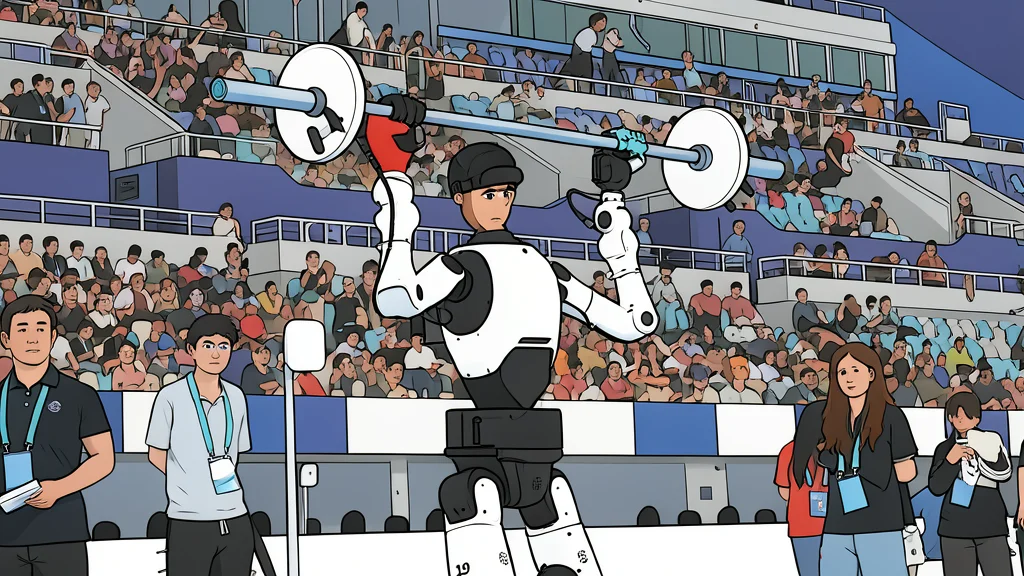
Recent events in Beijing highlighted the industry’s move toward practical application. The 2026 World Robot Conference featured over three thousand products from hundreds of companies, with many being debuts. Shortly after, the World Humanoid Robot Games showcased robots performing tasks like sprinting, dancing, and handling objects. These events were not just about spectacle; they demonstrated the industry’s effort to transition from impressive stage demonstrations to machines that can earn their keep in factories and service industries.
The goal is to create robots that are not only capable but also affordable and durable. This requires solving complex engineering challenges related to reliability and cost. The success of gadgets like the Microduck suggests that these goals are within reach. However, the trade-off is a heavy reliance on existing supply chains, which may limit innovation in some areas while accelerating it in others. The industry is now focused on ensuring that these machines can function consistently in diverse and unpredictable real-world settings.
Global implications of manufacturing dominance
The rise of embodied AI is reshaping the global technology landscape. Countries with strong manufacturing bases are gaining a competitive edge in this sector. For consumers, this could mean more affordable and accessible robotic assistants in the future. For businesses, it offers new opportunities for automation and efficiency. However, it also raises questions about supply chain security and geopolitical dependencies.
As noted by GN auto tech/robotics, the integration of Chinese components into globally popular devices underscores the interconnected nature of modern technology. The ability to mass-produce complex hardware is a significant advantage, but it is not the only factor. Success in embodied AI will depend on the seamless integration of software, hardware, and real-world utility. The coming years will likely see increased competition as different nations strive to balance innovation with industrial capability.