Smart Home Automations Fail Silently After Power Outages
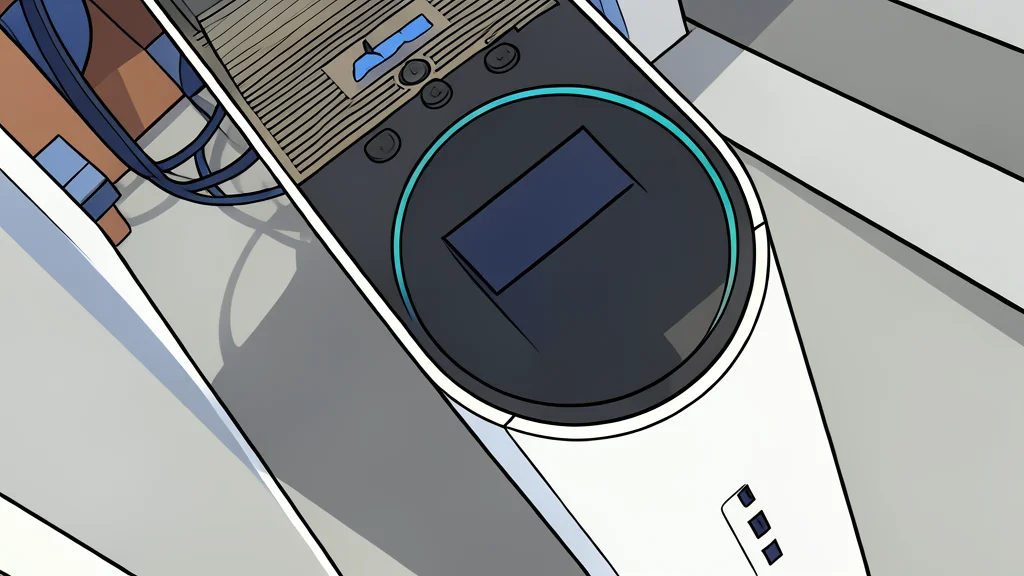
Uninterruptible power supplies keep the software running, but they do not restore the state of the devices they control. The result is a home that appears online but refuses to follow your schedules.
Uninterruptible power supplies are designed to keep servers and routers alive during short electrical blips. For many homeowners, this protects the central hub of their smart home, such as a Home Assistant instance running on a virtual machine. The hardware does its job, preventing a two-second brownout from crashing the system. However, protecting the brain of the house does not protect the limbs. The plugs, bulbs, and hubs that actually perform the tasks are usually connected to standard wall outlets, which lose power immediately when the grid fails.
This creates a disconnect that users rarely notice until it matters. When power returns, the central system is awake, but it has no memory of what it intended to do while the devices were dark. Automations do not automatically pick up where they left off. Instead, they simply stop. XDA Developers highlights this issue, noting that the gap between a resilient server and fragile end-devices leads to silent failures where lights stay off and schedules are missed.
Automations assume devices are always listening
Most smart home routines are written like simple alarm clocks. A trigger fires at a specific time, sends a command, and assumes the job is complete. This logic works perfectly as long as the receiving device is powered on and connected. A UPS changes none of this. It keeps the controller awake, but a smart plug on a wall outlet loses power just like any other appliance. The controller has no built-in memory of what it meant to do while that plug was gone.
Time triggers that pass during an outage do not catch up afterward. Actions sent to a dead device fail, and the system does not retry them. This creates a false sense of security. The system reports success because the command was sent, but the physical action never happened. Without a mechanism to check the state of the device and correct the error, the automation is effectively voided by the outage.
Restart behavior breaks complex logic
The problem deepens when the system itself restarts, which happens during updates or recovery. Official documentation states that certain trigger options will not survive a restart. Steps involving delays or waiting for specific conditions are cut off if the system reboots. A community request to persist this state remains open, and a bug report about an irrigation automation that ran for two hours and flooded a patio after a restart was closed as not planned. This means users cannot rely on the system to remember long-running tasks.
Cloud-connected devices add another layer of complexity. If the modem is not on the UPS, the smart home hub may boot before the internet connection is established. Integrations that fail to connect during startup back off exponentially, retrying after increasing intervals up to a ten-minute cap. Until a manual reload, these integrations remain broken. This forces users to avoid writing automations that require the system to remember things across restarts, a significant limitation for complex setups.
Testing reveals the silent failure gap
A controlled test demonstrates the severity of the issue. In a scenario where a smart plug was unplugged during a scheduled turn-on time, the central system attempted to send the command. It waited for a response, eventually marking the device as unavailable. When the plug was reconnected, it rejoined the network in an off state. Nothing turned it on. The lamp stayed dark because the system had no logic to check the state of the device upon its return and correct the missed action.
This five-minute gap between the intended action and the device's availability is where the smart home fails. The system is not broken, but it is incomplete. It lacks the resilience to handle the disconnect between its own uptime and the uptime of the devices it controls. Users must manually rebuild automations to include recovery checks, verifying device status and correcting states upon reconnection. Without this extra work, the smart home remains vulnerable to the simplest of power interruptions.